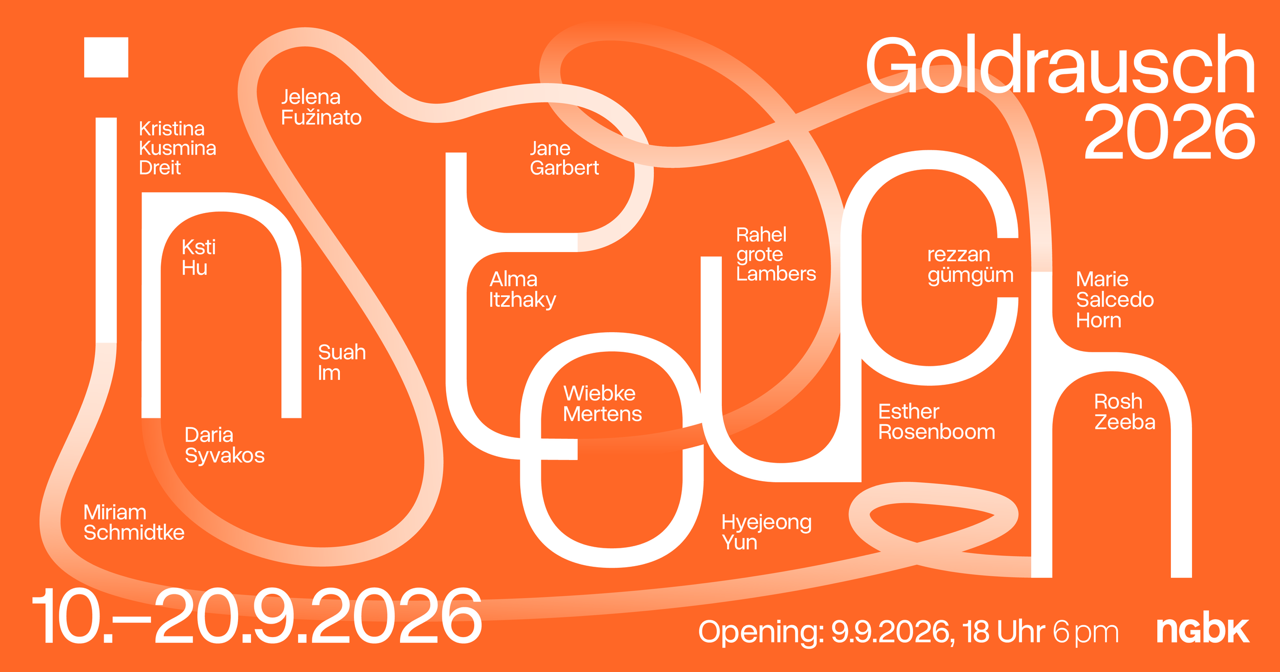
in touch – Goldrausch 2026

neue Gesellschaft für bildende Kunst (nGbK)
Karl-Liebknecht-Straße 11/13
1st floor (access via escalator)
10178 Berlin

Opening

Opening as part of Berlin Art Week 2026 on Wednesday, 9.9., 6:00–10:00 pm
Welcome at 6:30 pm by:
• Sophie Goltz, nGbK Managing Director
Following speeches by:
• Cansel Kiziltepe, Senator for Labour, Social Services, Equality, Integration, Diversity and Anti-Discrimination
• Can Mileva Rastovic, nGbK Chair
• Maj Smoszna, Curator, Goldrausch 2026 exhibition
• Hannah Kruse, Project Director, Goldrausch Künstlerinnenprojekt

Text

How do we stay in touch with sociopolitical reality without losing touch with ourselves? How can we hold on to what we believe in—even when the systems around us prove fragile or hostile?

in touch – Goldrausch 2026 presents new works by the fifteen Goldrausch 2026 fellows working in Berlin. Together, they explore everyday forms of communication, resistance, and intimacy, as well as an often unfulfilled promise: the desire for connection and belonging. The exhibition approaches “touch” as a complement to seeing—as an intimate gesture, a fundamental way of building relationships, and an essential element of the artistic process.

The works depict real and dreamlike places, explore communities, draw on memories and personal stories, or create everyday and imagined objects. At a time when artistic and cultural infrastructures are under pressure, in touch affirms their importance as places of exchange and solidarity. Building lasting support structures is at the core of the Goldrausch Künstlerinnenprojekt: This one-year professional development program promotes public recognition of outstanding artistic practices by women and FLINTA. Since 1989, the program has supported more than 500 women* artists and built a diverse network that strengthens connection, long-term professional development, and public visibility—particularly for underrepresented groups.

Fifteen brochures accompanying the exhibition are available individually or together as a complete catalogue. The exhibition is accompanied by an extensive program of performances and workshops.

Programme

Friday, 11 September

5:30–7:00 pm: Curatorial tour with Maj Smoszna in conversation with Rahel Grote Lambers, Wiebke Mertens, and Esther Rosenboom

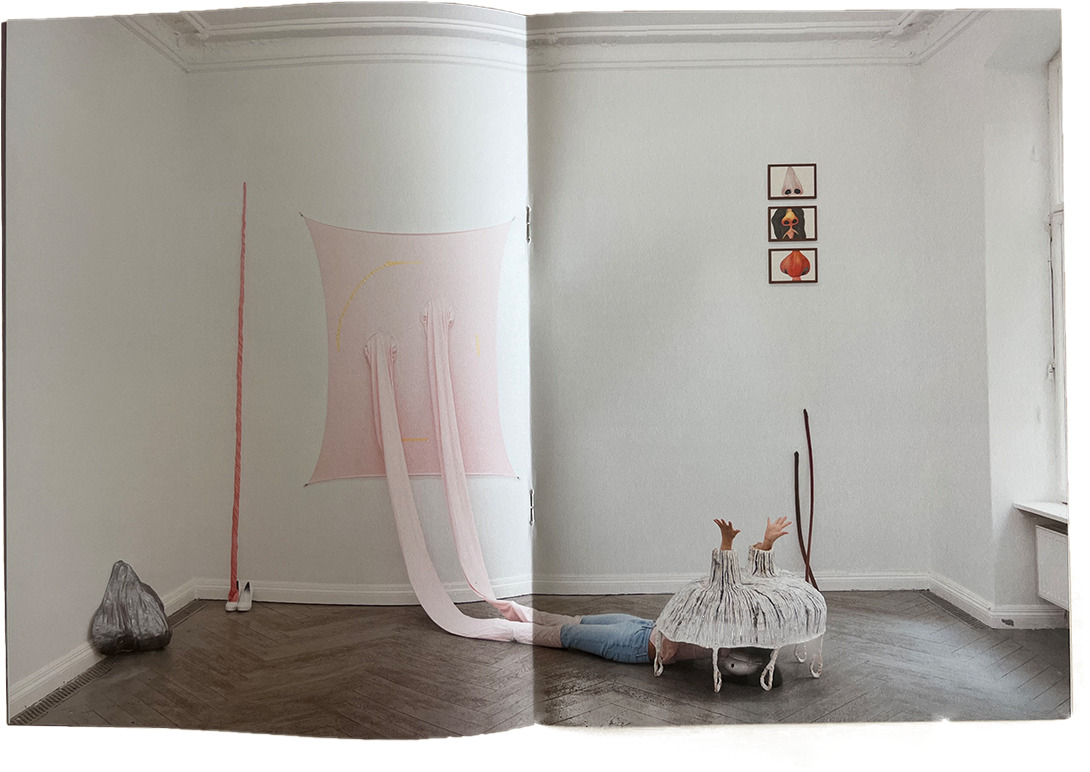
7:00–7:30 pm: Performance “The Floating Nose” by Suah Im

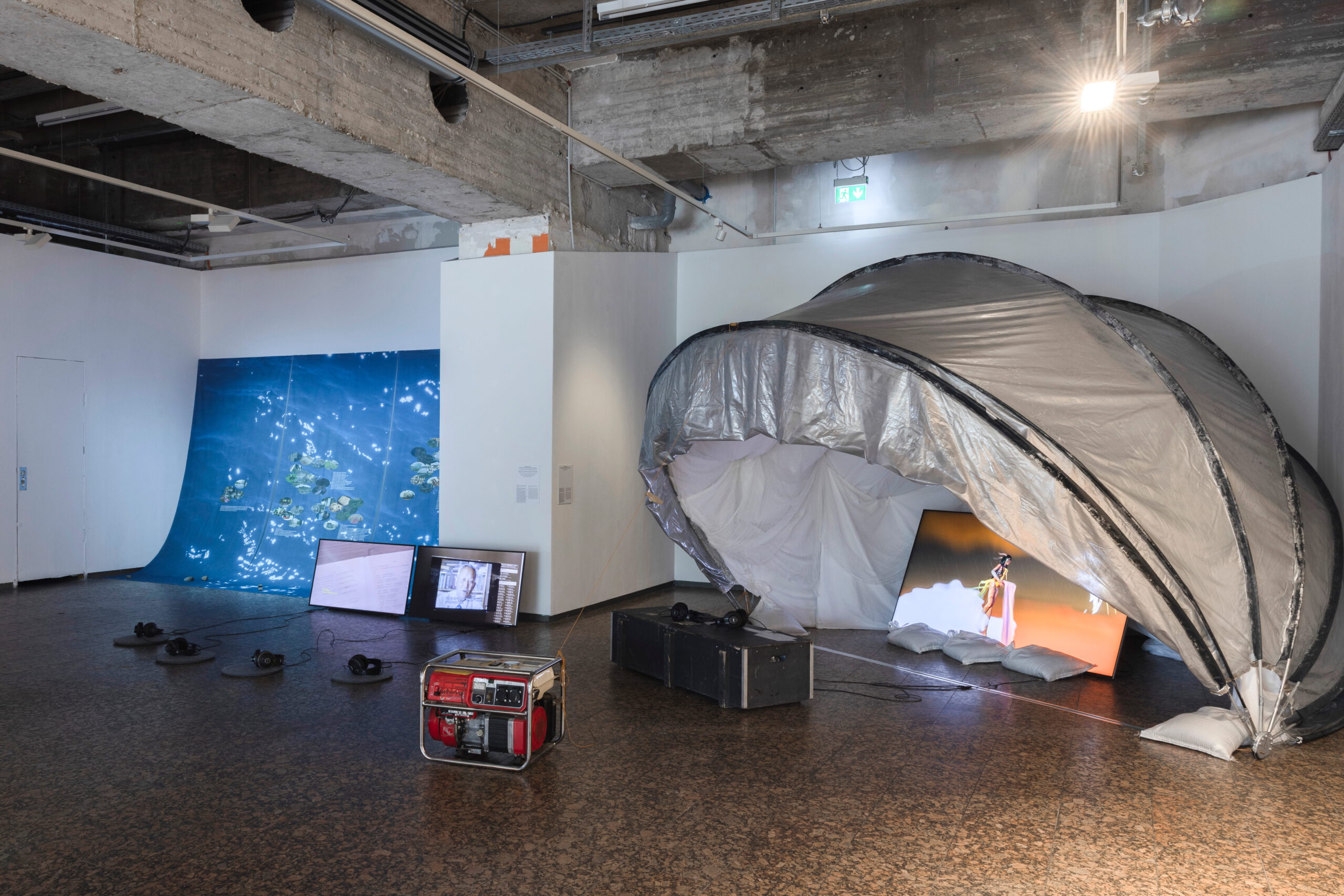
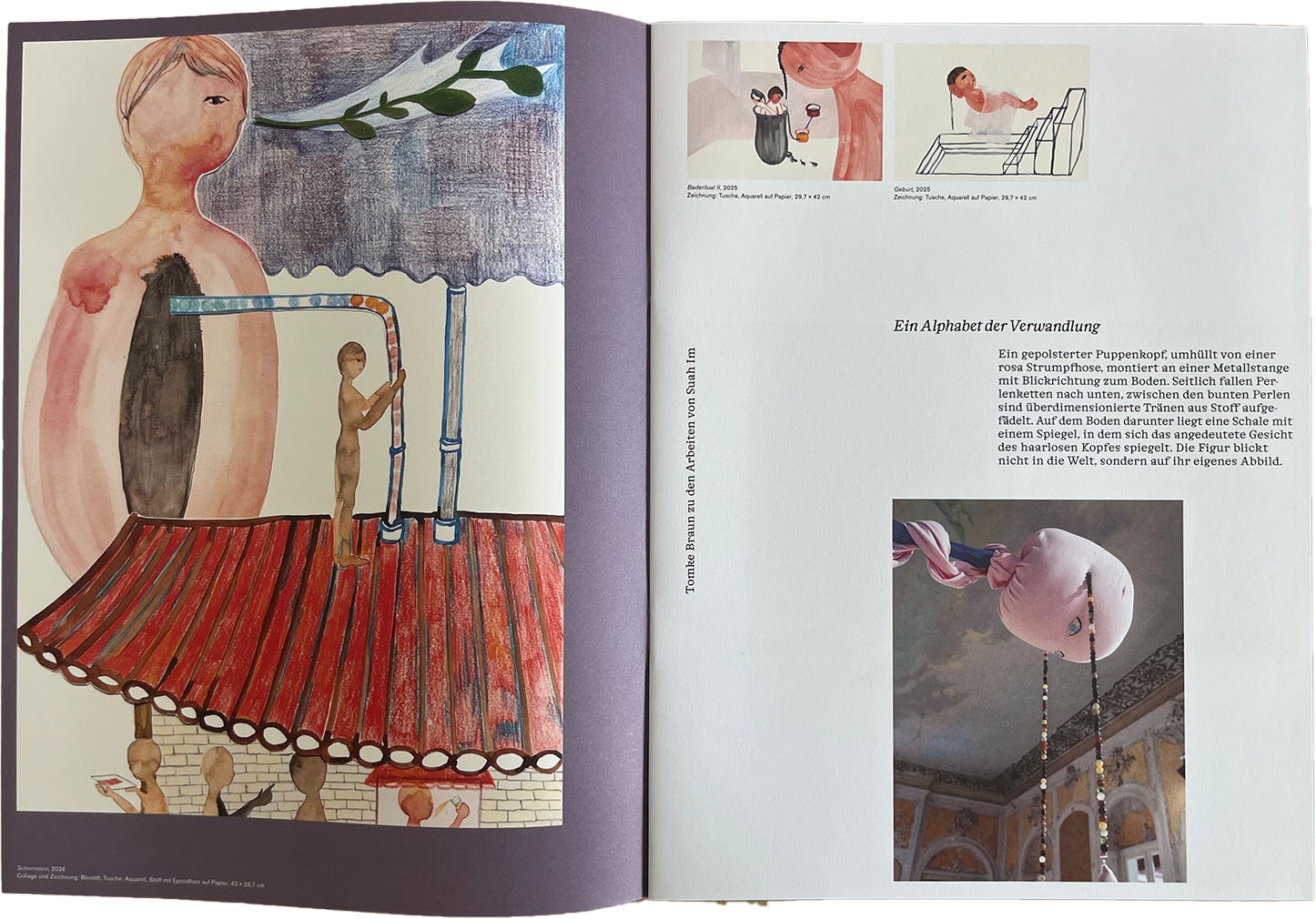
Based on her own experiences of commuting between different cities, the artist explores through her body the sensory disorientation, the question “Where am I right now?”, and the fleeting perception of space. During the performance, she closely interacts with the objects that are part of her installation in the exhibition. This is a sensitive attempt by a freely floating body, anchored nowhere, to establish a continuous relationship with an unfamiliar space and to adapt to it.

Saturday, 12 September

12 am–2 pm: Research Workshop “Working from Traces: Artistic Research and the Inaccessible” with Daria Syvakos

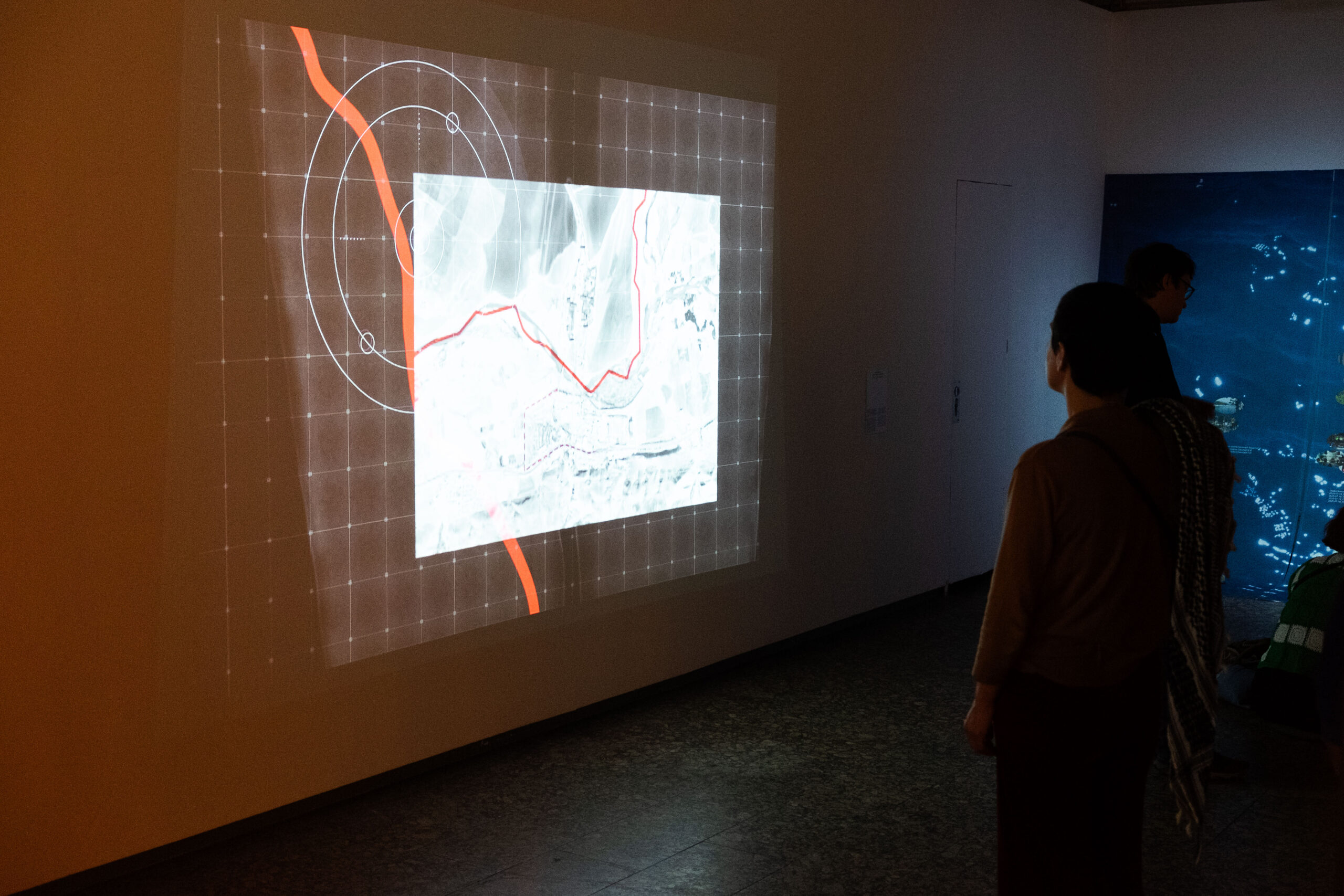
This two-hour workshop introduces artistic research methods for working with places that cannot be fully accessed. It starts from a practice, shaped by film, installation, maps and digital environments, with a focus on infrastructures, archives and worldbuilding.

Participants will choose one site or research fragment and work with the material they can access: images, maps, notes, memories, public records or found documents. Through guided exercise, they will build a small research atlas, trace one change over time, mark what remains uncertain, and turn the material into a first artistic sketch.

The workshop is practice-based and intended for 10-12 participants. No technical knowledge is required.

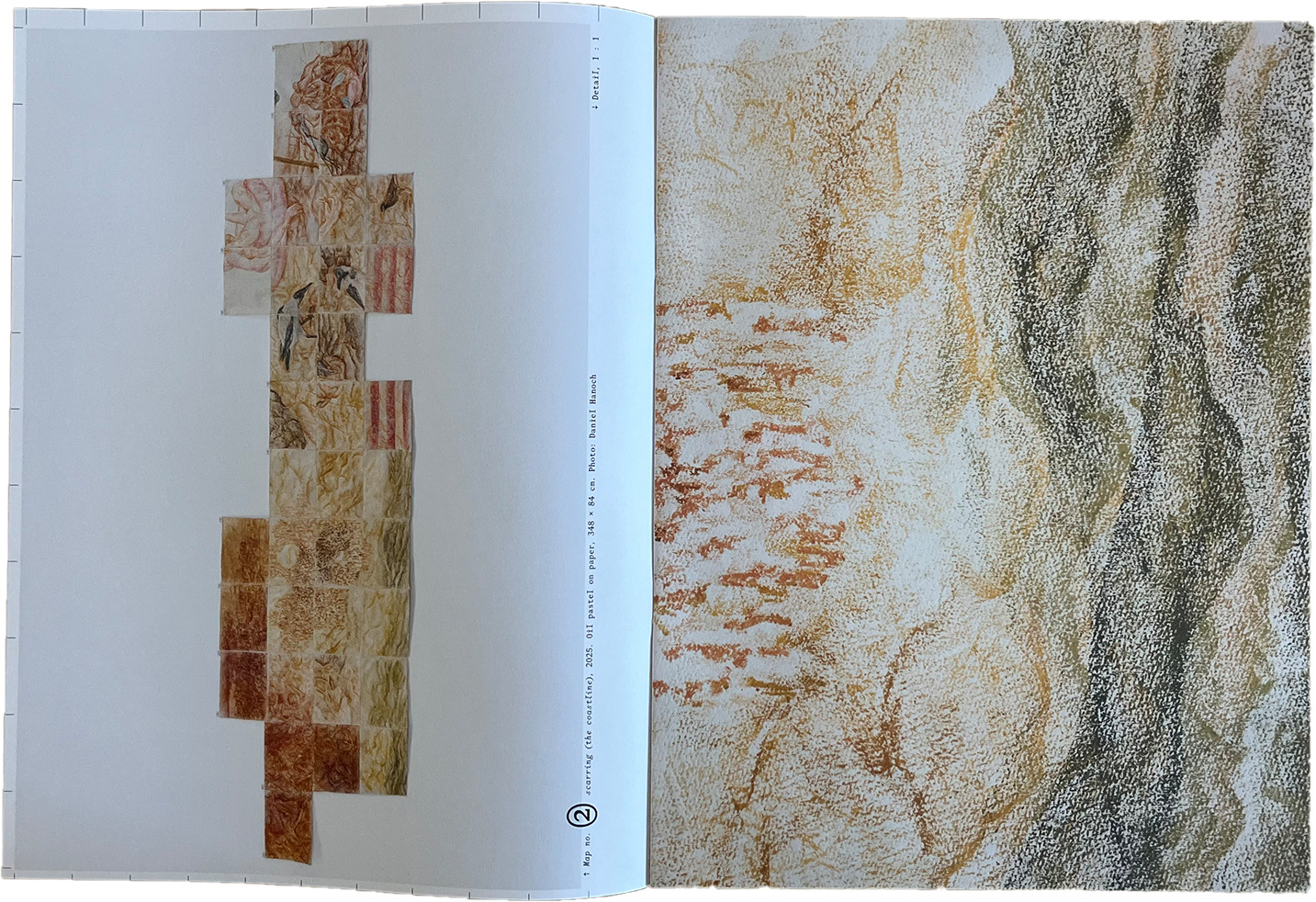
2–4 pm: Drawing Workshop “Taking a Line for a Walk (in my neighborhood)” with Alma Itzhaky

The workshop will guide participants in creating mental maps of significant places in their lives. Using a simple technique of guided visualization, drawing, and collage, the participants will draw individual mental maps and use them to narrate a memory connected to this

environment. The workshop invites participants to reflect on the connection between drawing and tracing a path on a surface – echoing Paul Klee’s famous saying that a line is a dot that went for a Walk.

The workshop is suitable for families with school-age children (6 and older). Children need to be accompanied by an adult.

4–5 pm: Performative Intervention “Soil Observations” by Marie Salcedo Horn

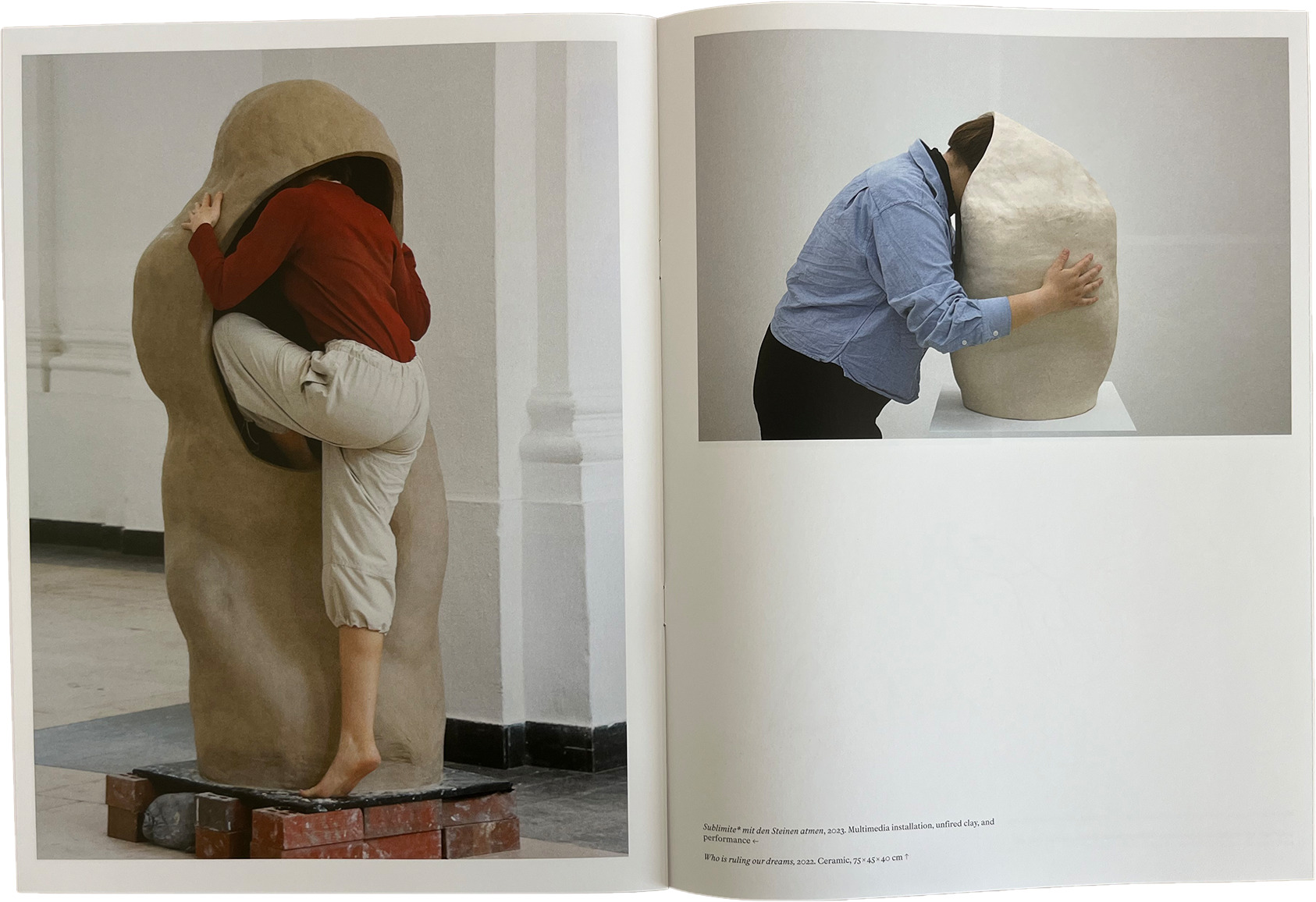
The ceramics by Marie Salcedo Horn serve as tools for approaching the floor of the nGbK with multiple senses. The two objects are approximately 50 cm high and mounted on wheels. Visitors can embrace the objects, which resemble funnel-like toys, and push them through the space in order to listen to the floor and the site, or to observe it through a focused gaze. The aim is to explore perceptions of space through the body.

Sunday, 13 September

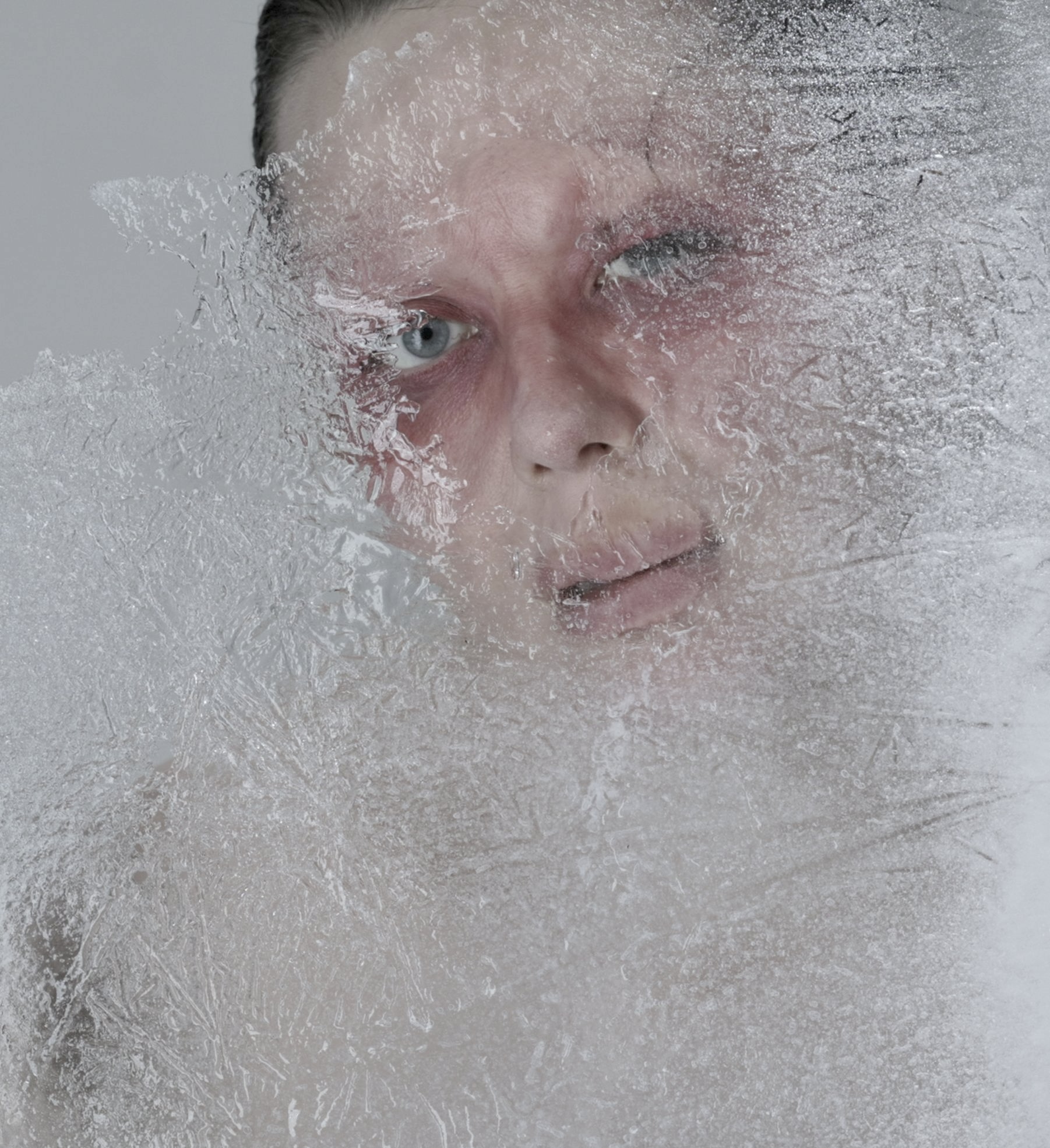
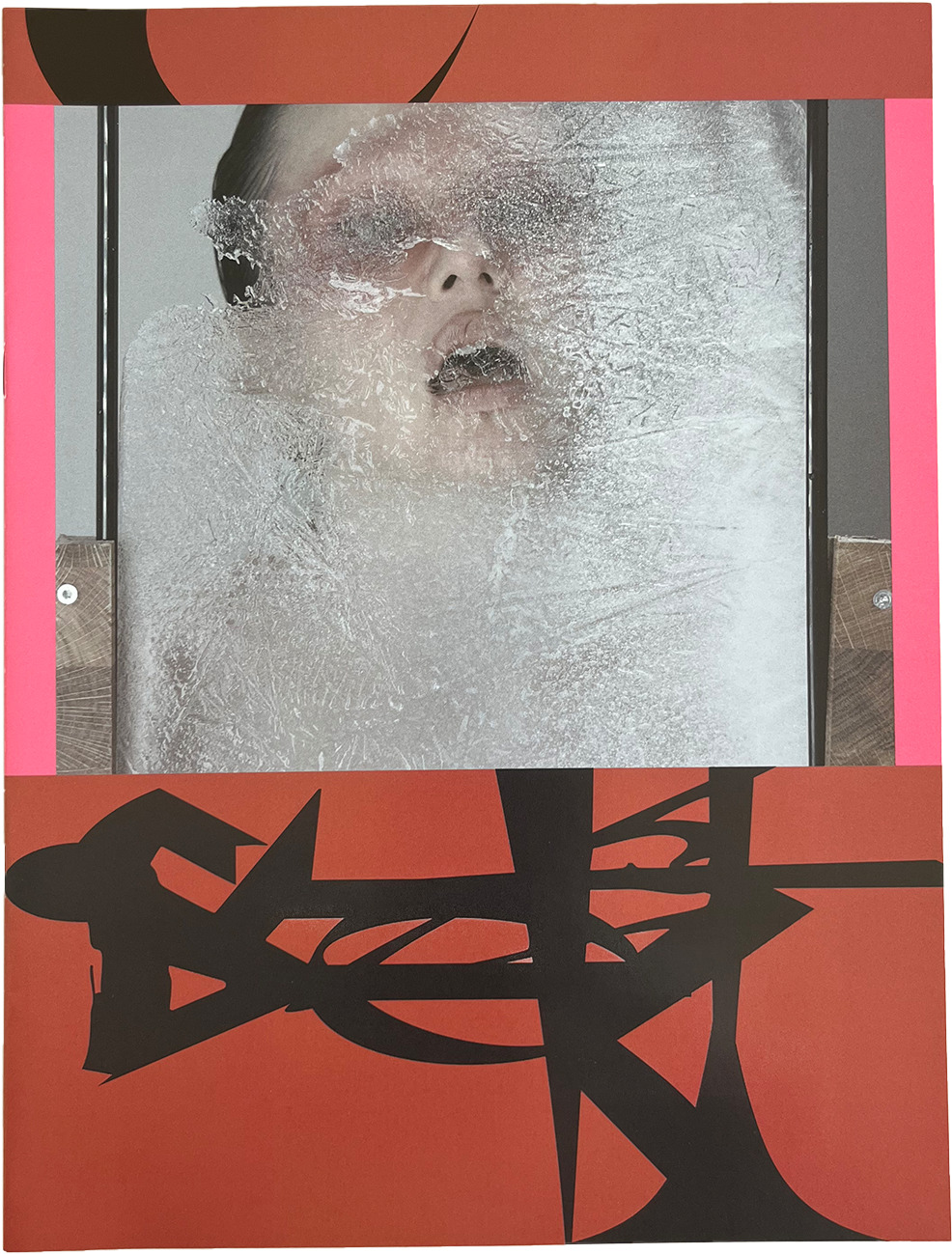
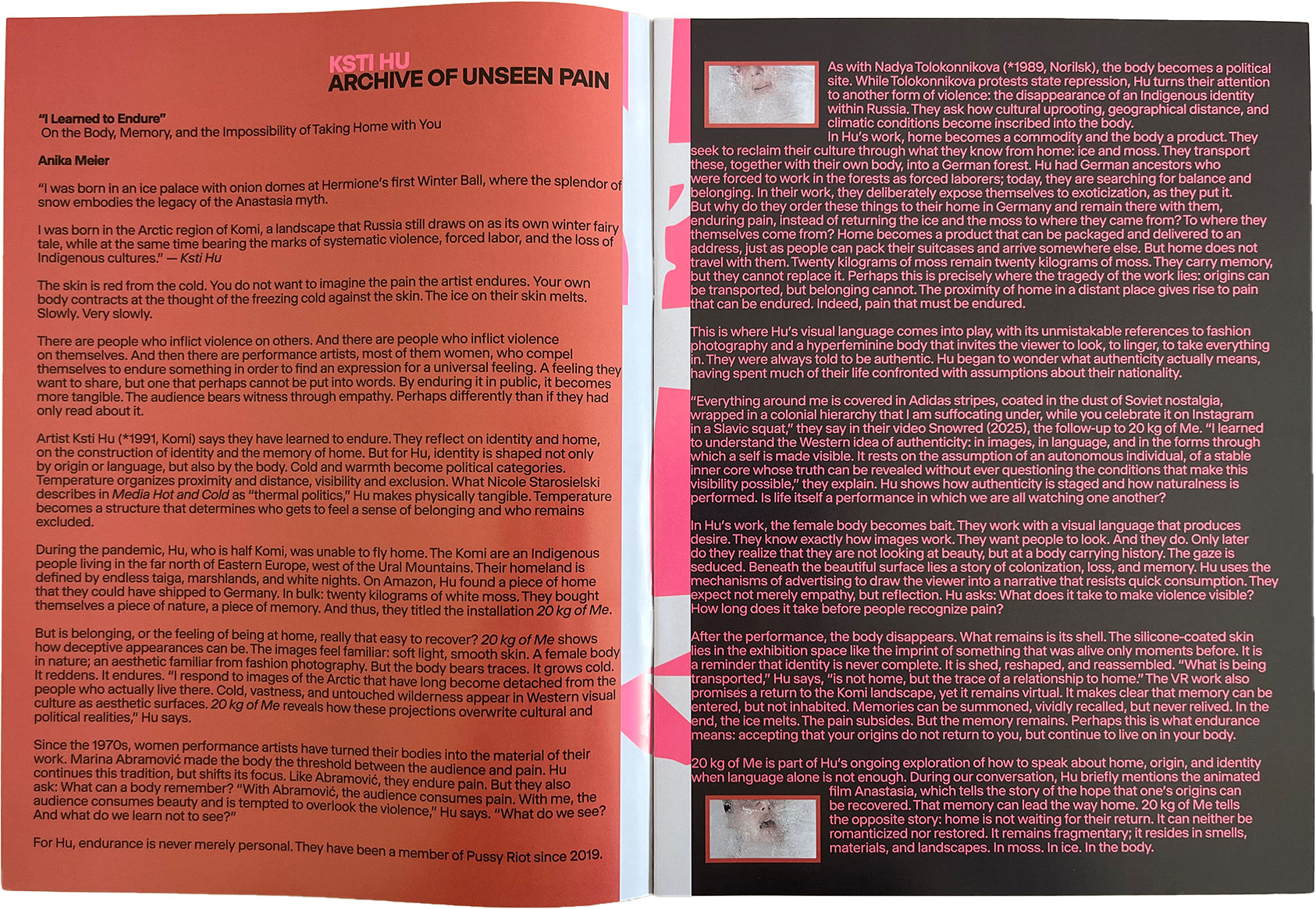
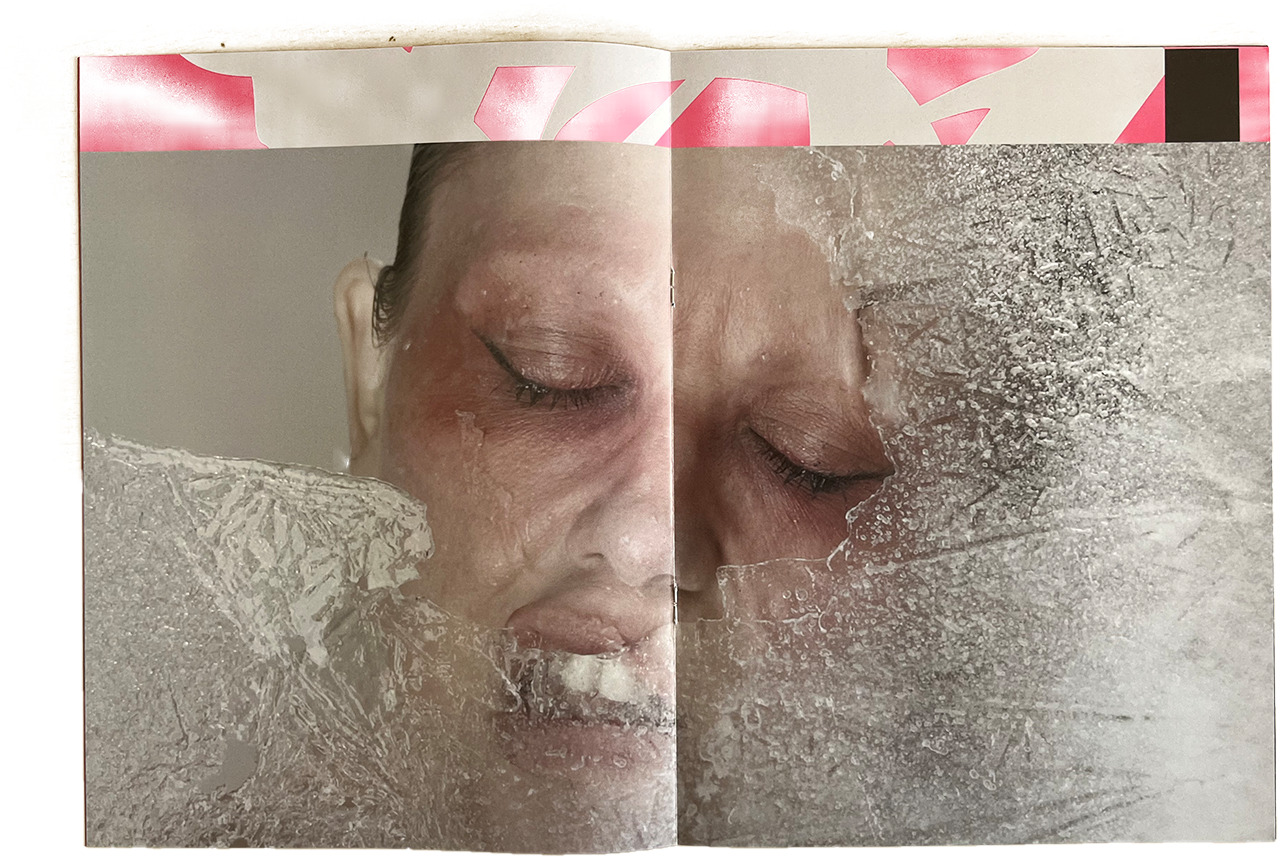
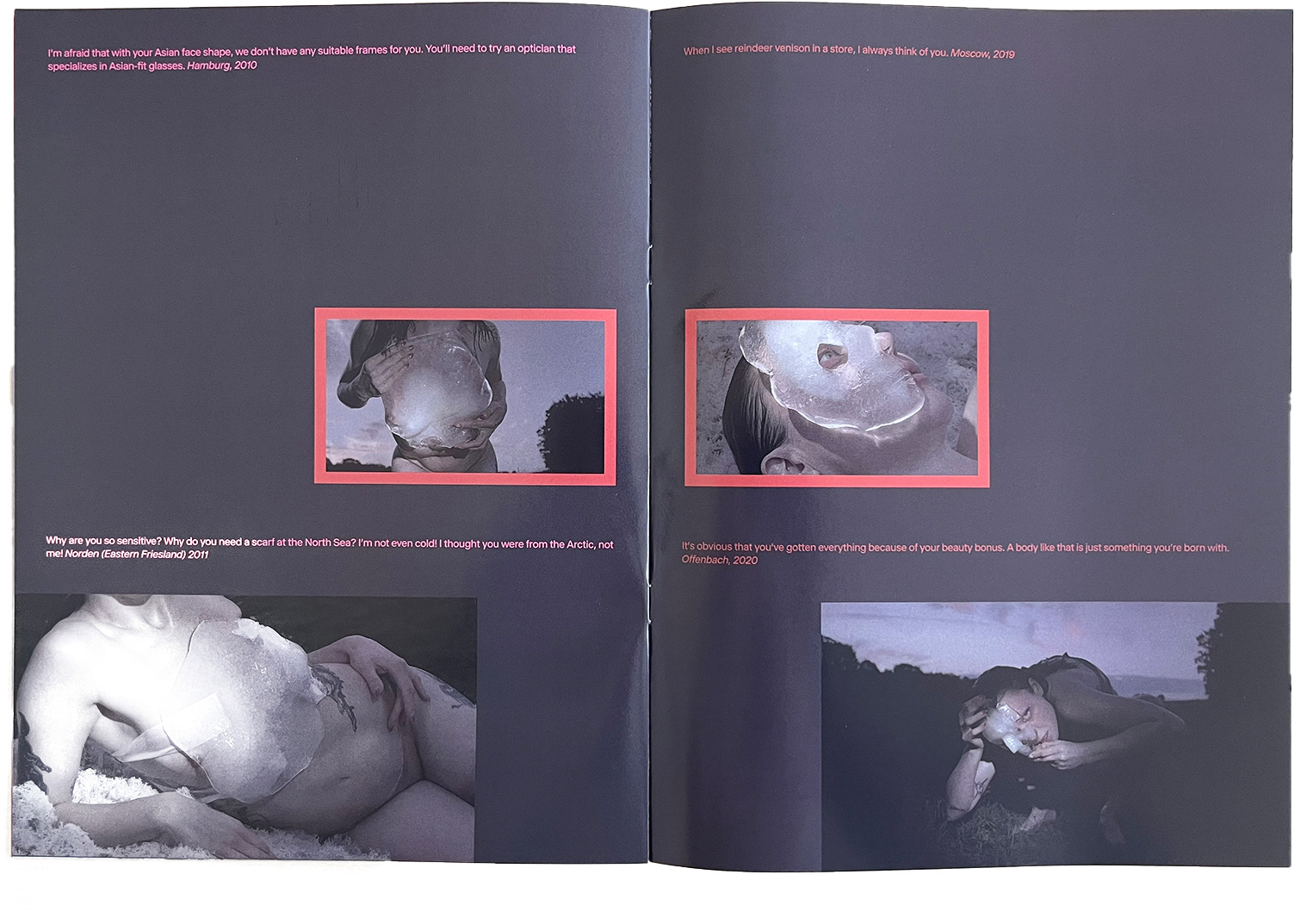
5–5.30 pm: Performance “33L of Pain” by Ksti Hu & Vira Pogurskaja

How much landscape can be translated into a body?
When does temperature become political?
When does endurance become a form of translation?

Ksti Hu stands on a block of ice resting on a metal grid and reads a text about invisibility and thermal politics, accompanied by a live composition by Vira Pogurskaja. The melting of the ice forms the temporal structure of the performance and continues after its conclusion as a material process of the installation.

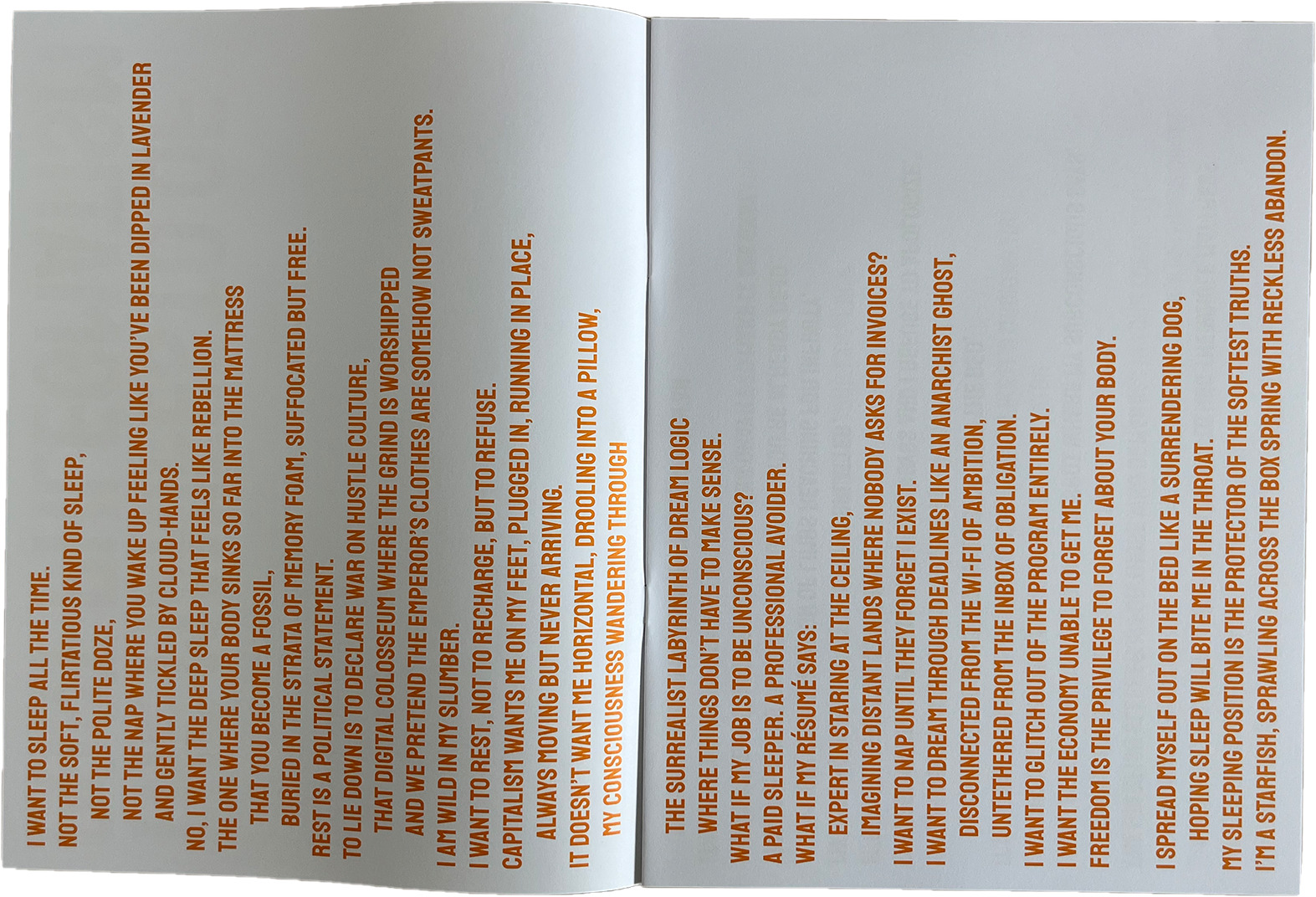
5.30–6 pm: Reading “Manifesto of Post-Phlegmatism” by Miriam Schmidtke

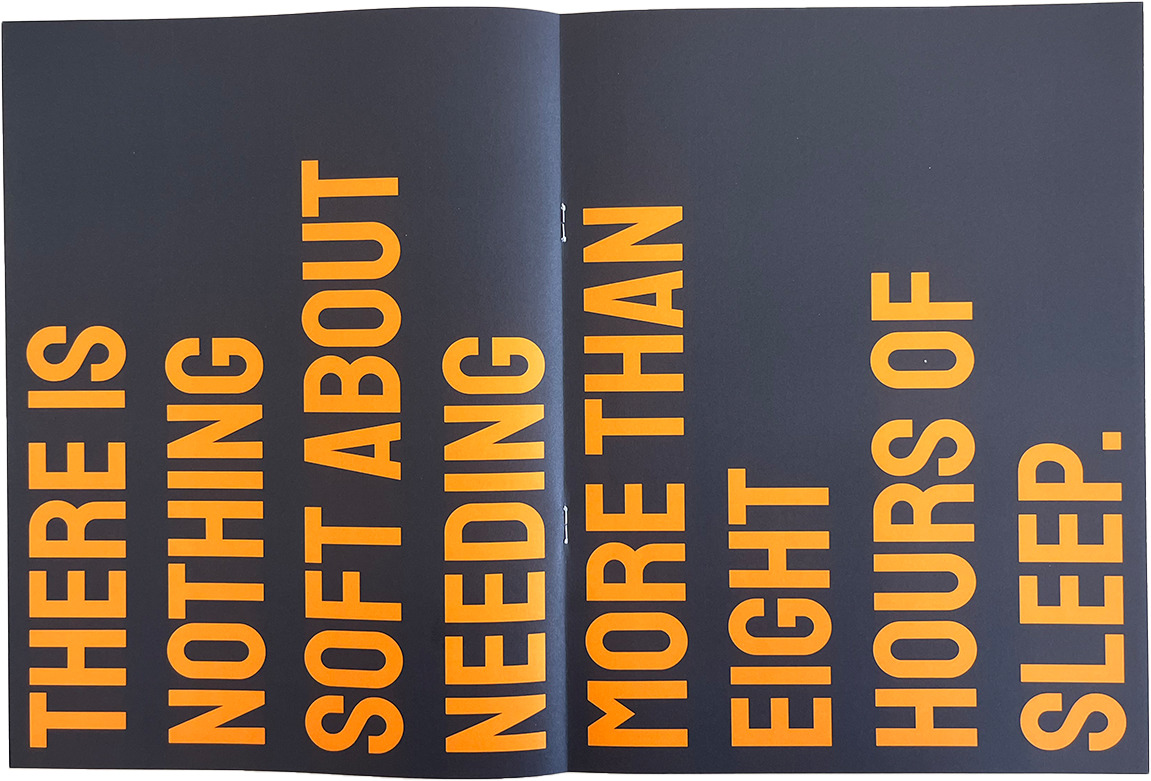
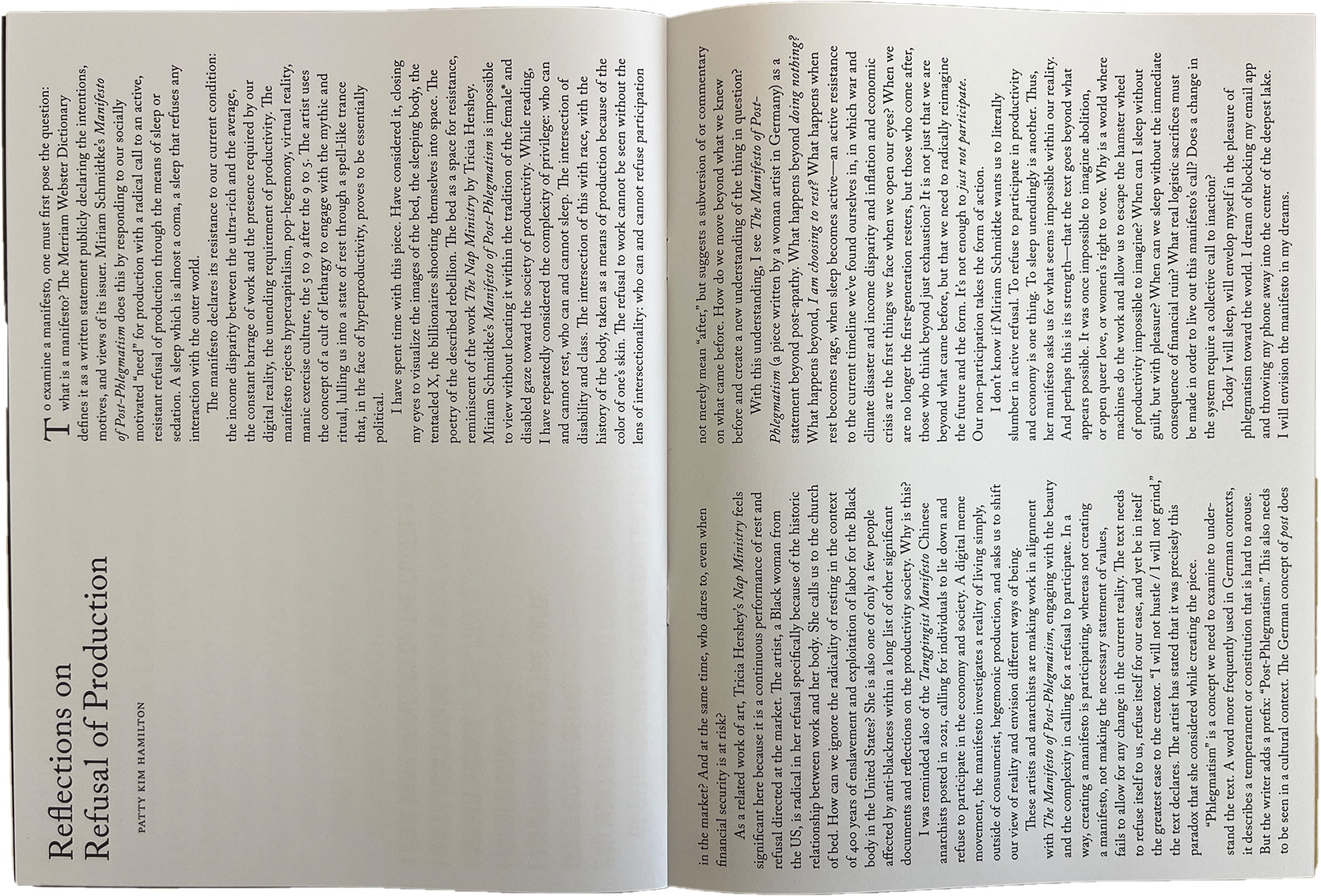
The Manifesto of Post-Phlegmatism celebrates apathy and stagnation in order to reject oppressive demands of capitalism. It’s a meditation on sleep, transforming it from a passive necessity into a political statement. It embraces rest not as a means to recharge for further labor, but as an intentional withdrawal from a system that commodifies human energy. The text draws on sleep as an initiation into a speculative cult of dreamers, a sanctuary for those who seek refuge in the liminal spaces between unconsciousness and the digital ether. Here, sleep is a mystical practice and a rebellion against the hyper- surveillance of techno-capitalism.

6–6.30 pm: Music Concert with Jane Garbert & Adriano Redoglia

Alongside her artistic practice, Jane Garbert writes and composes her own songs. During Berlin Art Week, she will give an intimate concert on the occasion of the group exhibition in touch by the Goldrausch Künstlerinnenprogramm. For the first time, she will be accompanied by drummer Adriano Redoglia.

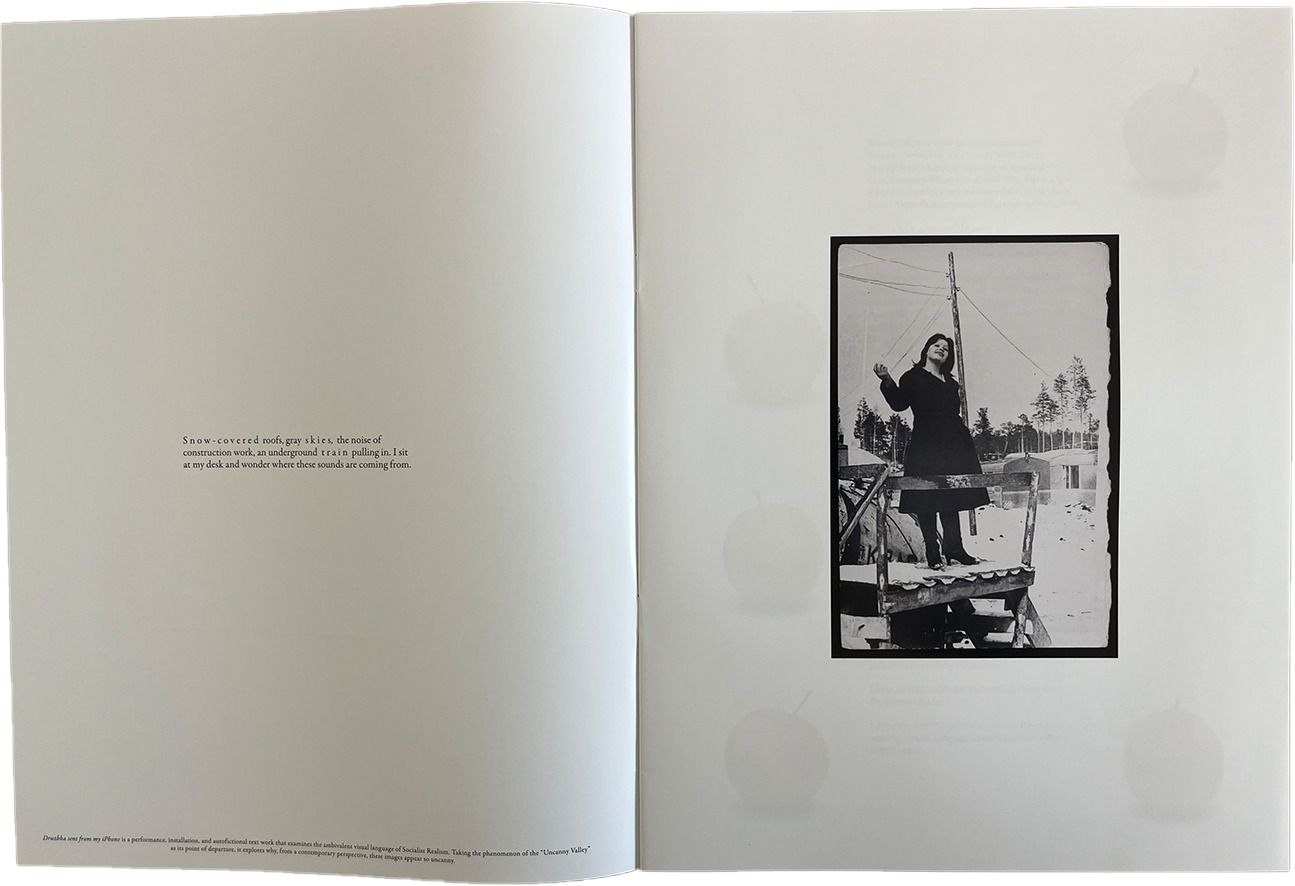
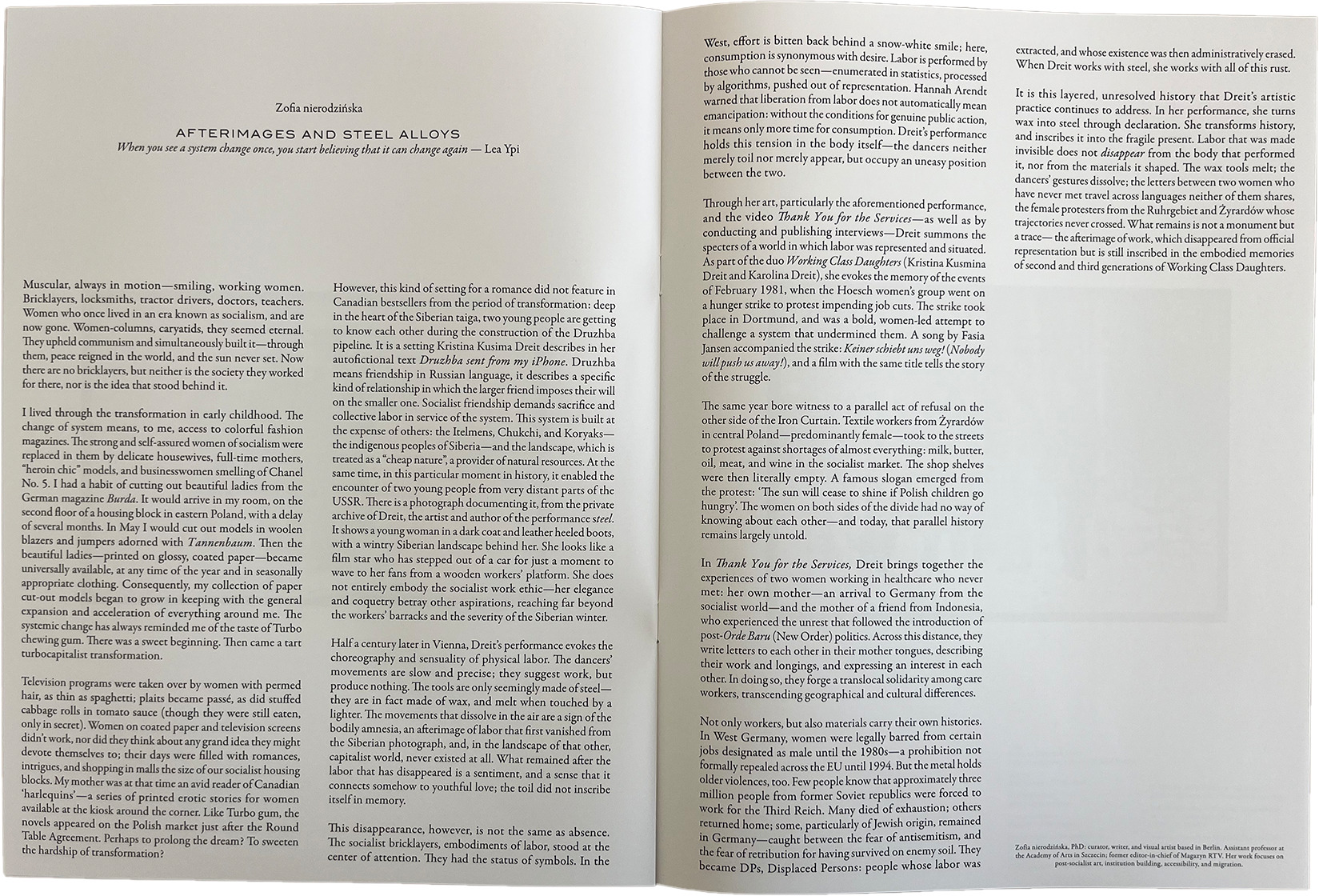
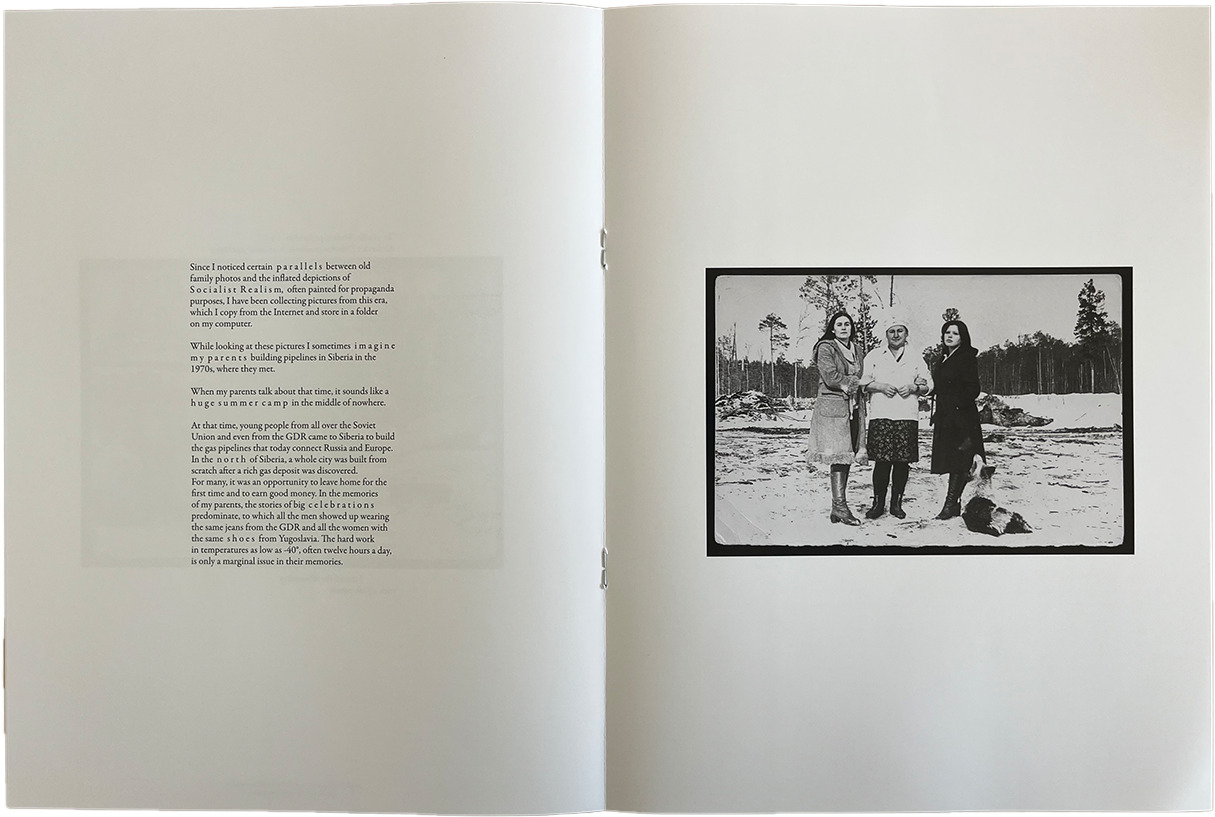
6.30–7 pm: Performance “Druzhba sent from my iPhone II” by Kristina Kusmina Dreit

Druzhba sent from my iPhone engages with the uncanny visual language of Socialist Realism. The work grew out of subtle parallels between Socialist Realist paintings and the gestures and poses found in the artist’s family photographs. Responding to the layered history of the nGbK at Alexanderplatz—housed in a former McDonald’s within a former market hall—the work raises questions around labor, memory, and their representation.

Thursday, 17 September

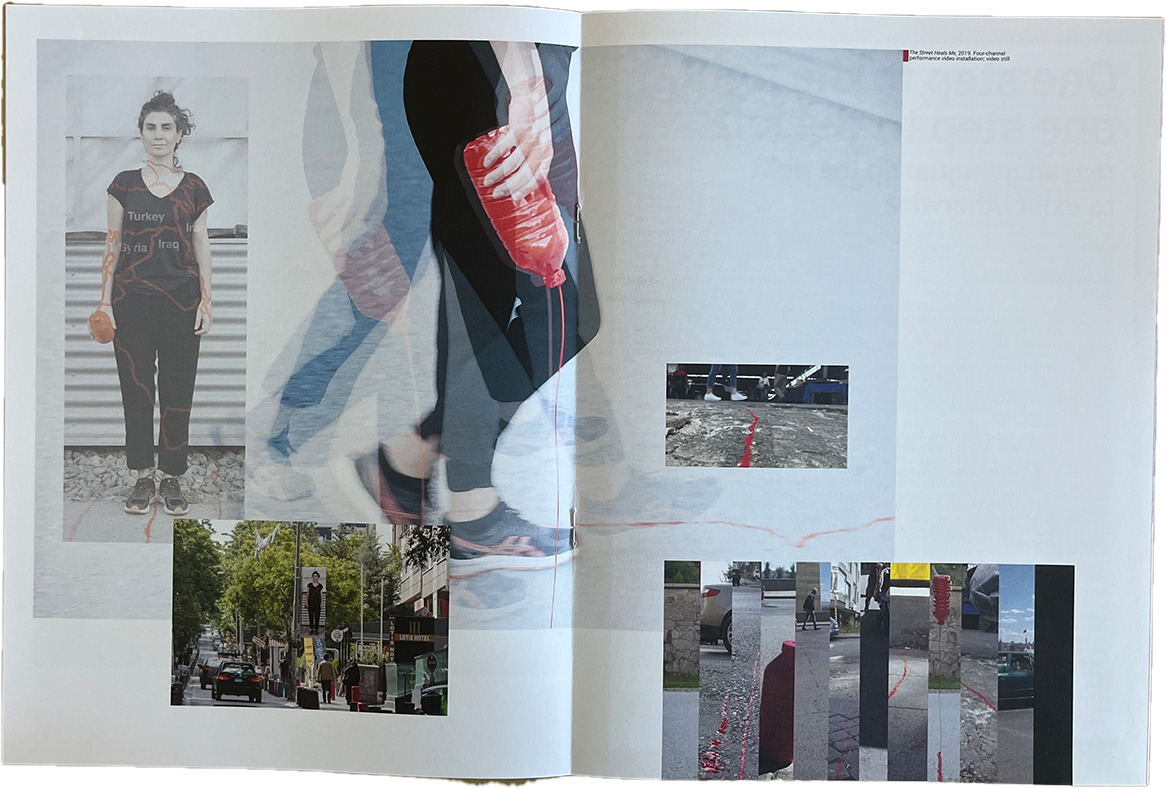
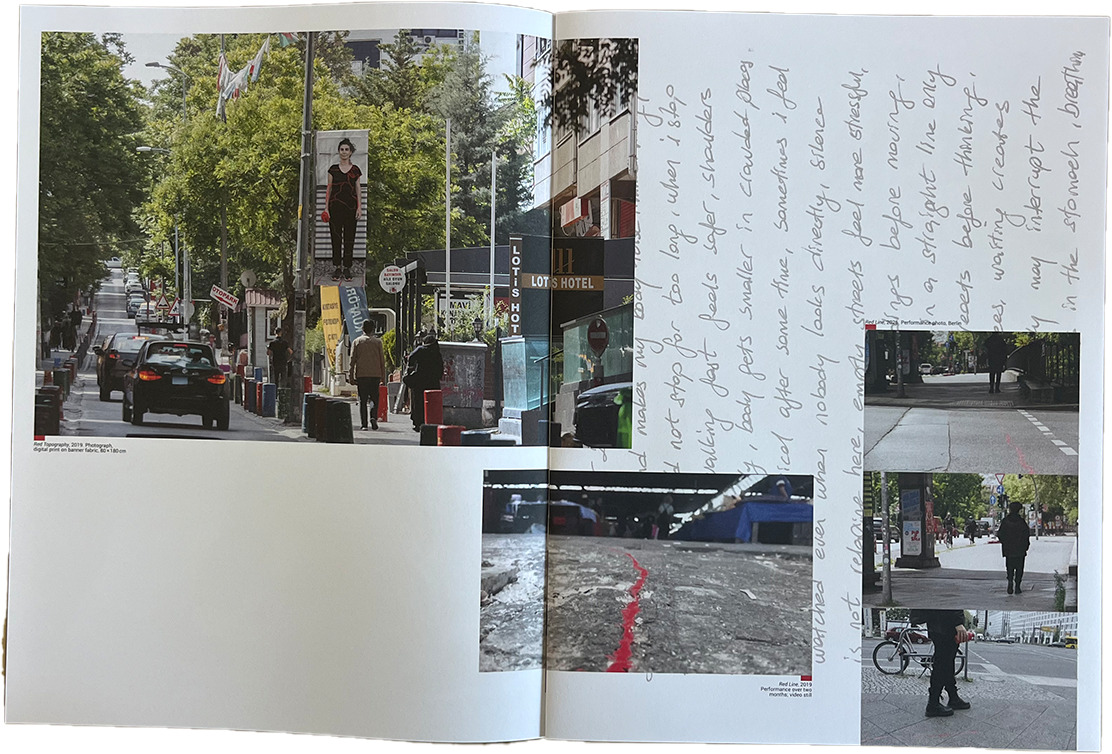
5–7 pm: Participatory performative action “rehearsing resistance” With rezzan gümgüm

A participatory performative action using red elastic bands, combining a short public walk with a collective game in the park. Participants are invited to join the game after the walk. The work explores how boundaries are not fixed lines, but relational structures that can be stretched, negotiated, and reshaped through collective movement.

Friday, 18 September

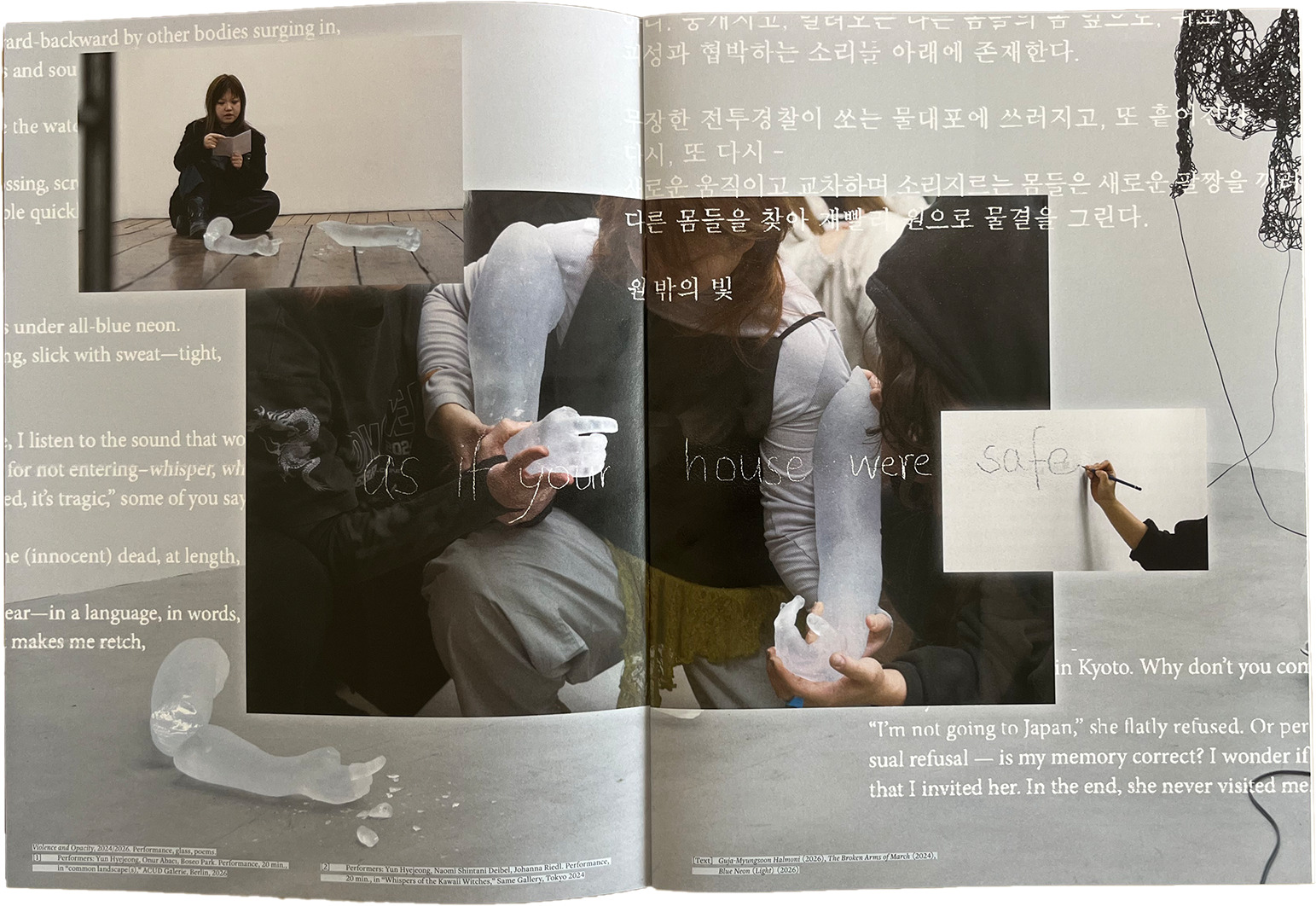
5–7 pm: Poetry Workshop “Land of Balsam” with Hyejeong Yun

The workshop draws on the historical Korean practice of dyeing fingernails with balsam flowers and leaves. Participants are invited to dye their fingertips using balsam leaves grown by the artist Hyejeong Yun in Berlin. While the colour develops slowly on the skin and nails, participants will be guided through a writing session focused on resistance, community, inherited memory, and forms of care. They may write poems, short texts, or fragments in their own languages. The workshop creates a temporary multilingual collective space in which plant-based knowledge, embodied gesture, and collective writing come together.

Sunday, 20. September

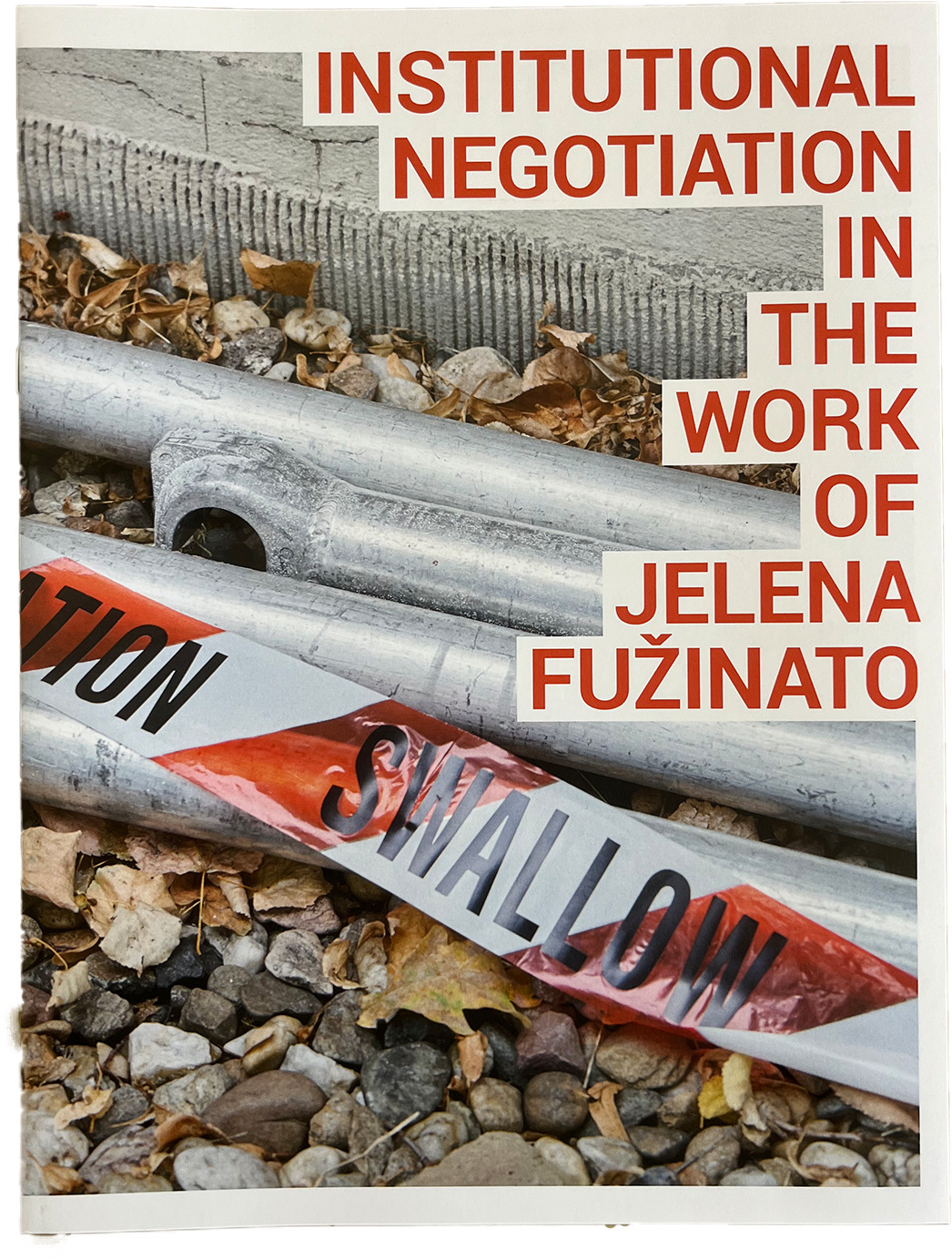
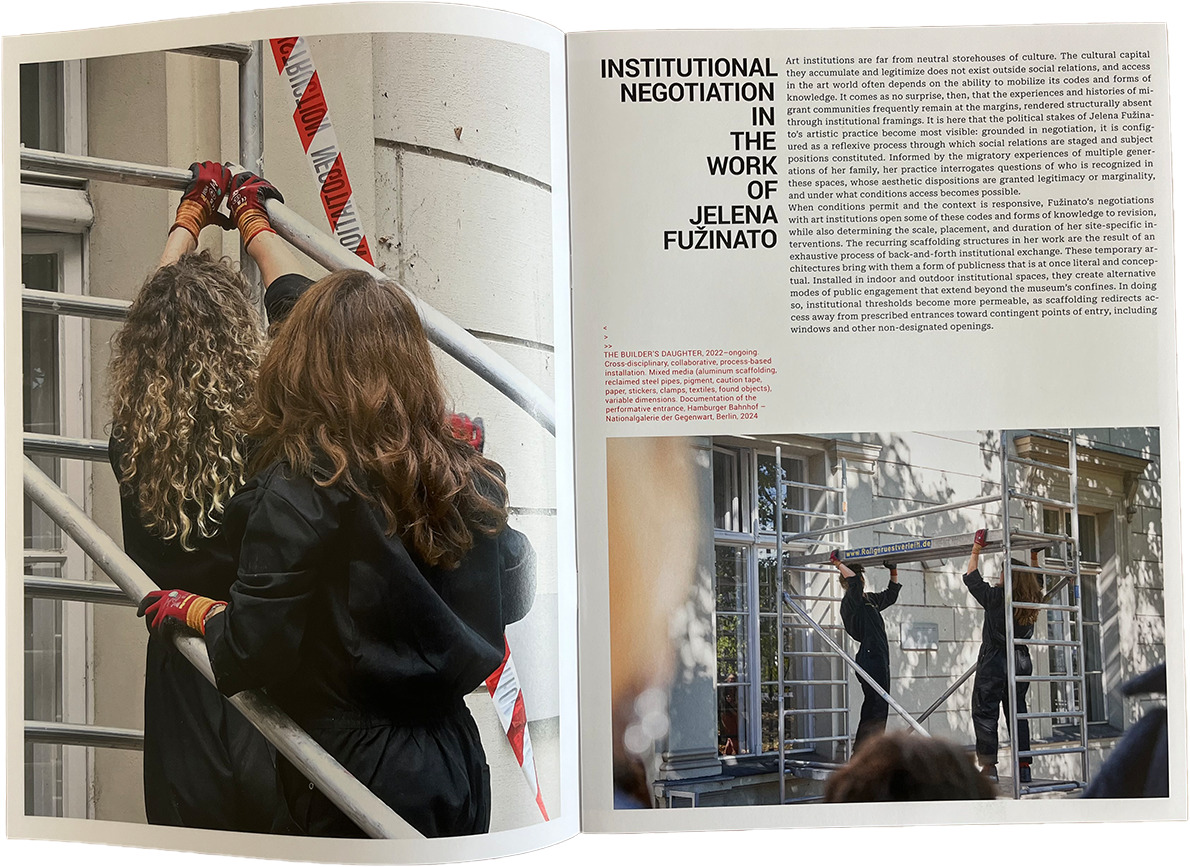
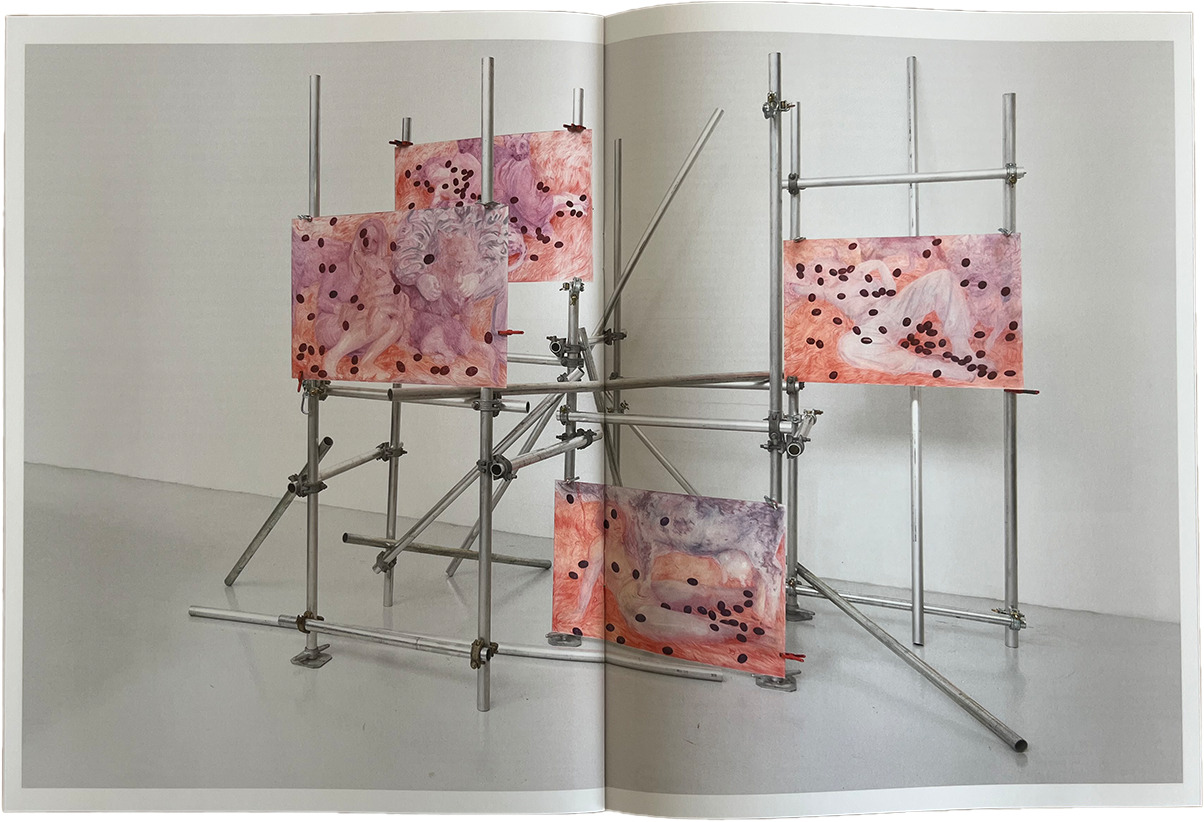
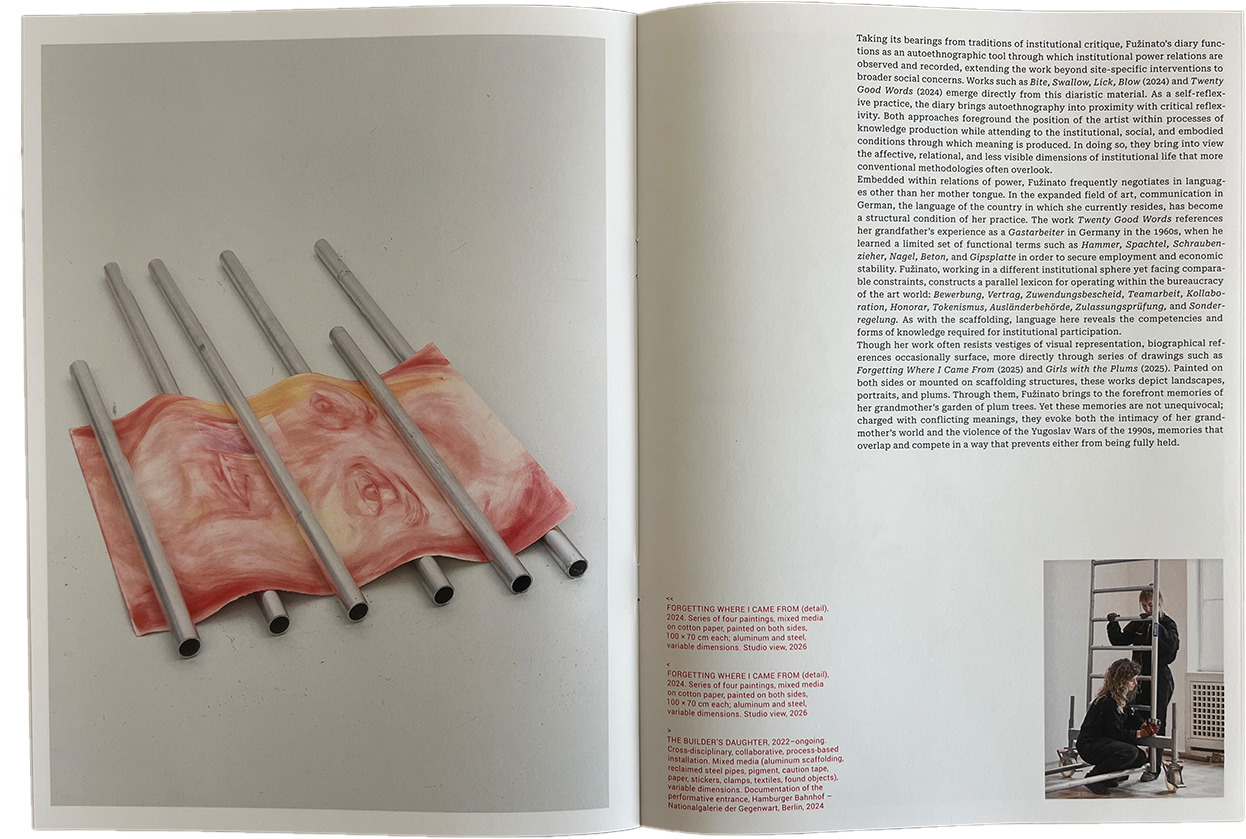
3.30 pm–4 pm: Lecture Performance from the Series “The Builder’s Daughter” by Jelena Fužinato

Drawing from the diaries of the ongoing non-performance series “The Builder’s Daughter”, the artist will present a lecture performance that examines how individuals adapt to conditions shaped by institutions — and how power influences what feels possible, thinkable, or sayable. Working autoethnographically and drawing on decolonial thought, the artist approaches personal experience as a lens through which to examine broader structures of transnational politics, colonial continuities, and institutional exclusion.

4.30 pm–45pm: Performance “How do I re-enter the world” by Rosh Zeeba

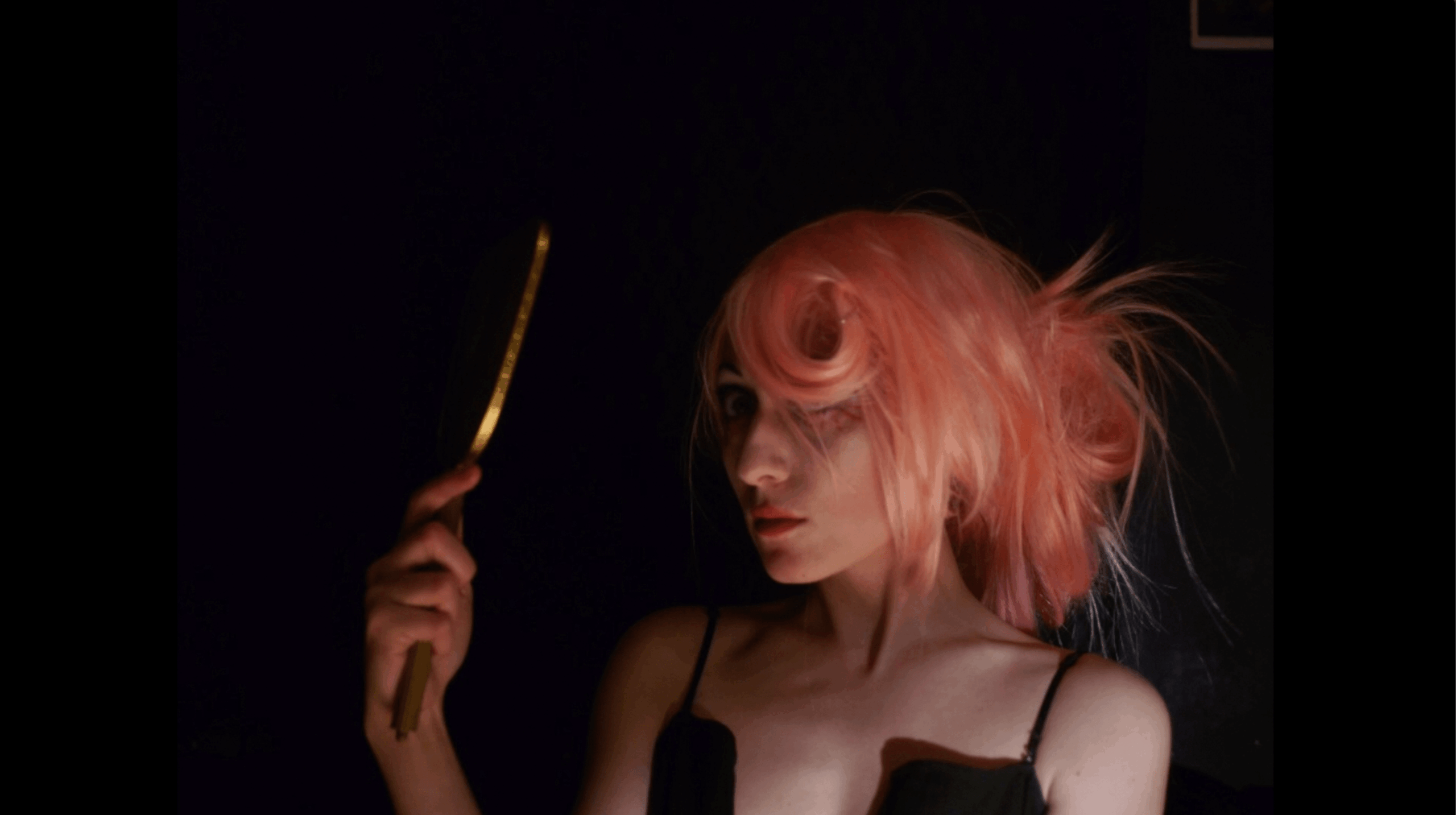
What does it take to become visible again? How do I re-enter the world is a new performance by Rosh Zeeba that occupies the space between the lens, the archive, and live presence. Through a slow negotiation of gesture, language, and material legibility, the piece questions how we step out of the background and into the unmediated present.

Documentation
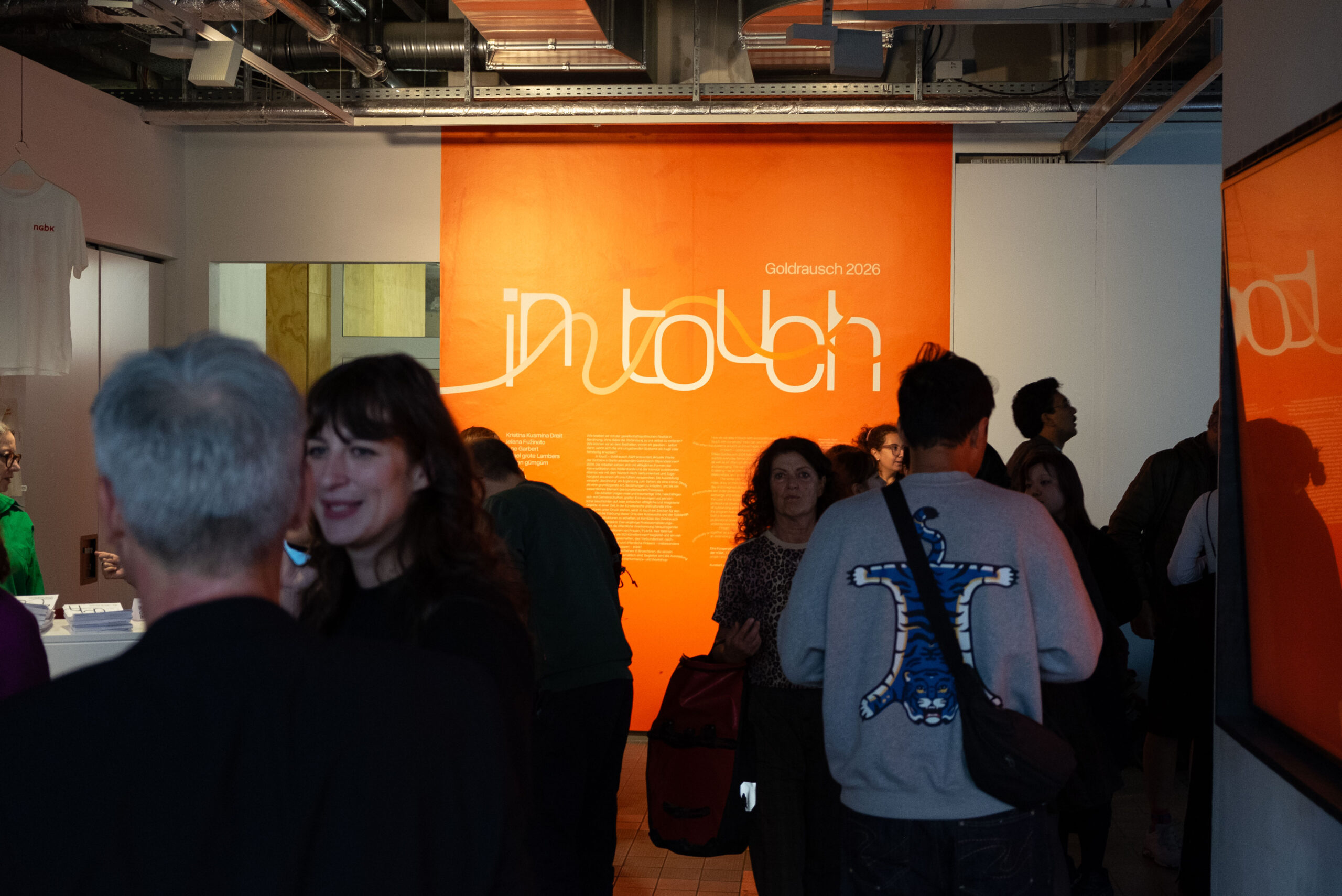
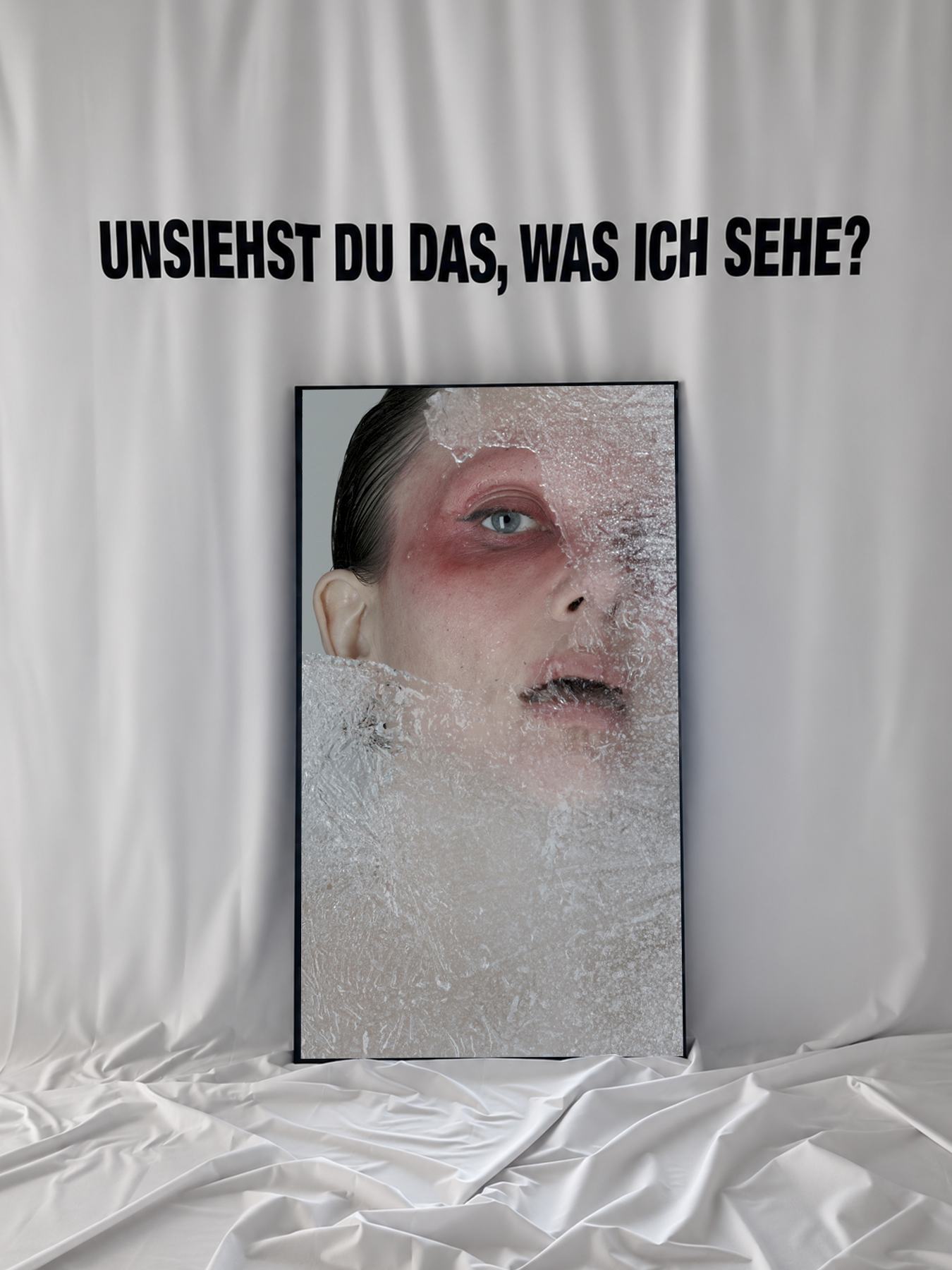
Opening in touch - Goldrausch 2026 © Fiona Ahrens
Exhibition view with art work from Ksti Hu © Ksti Hu
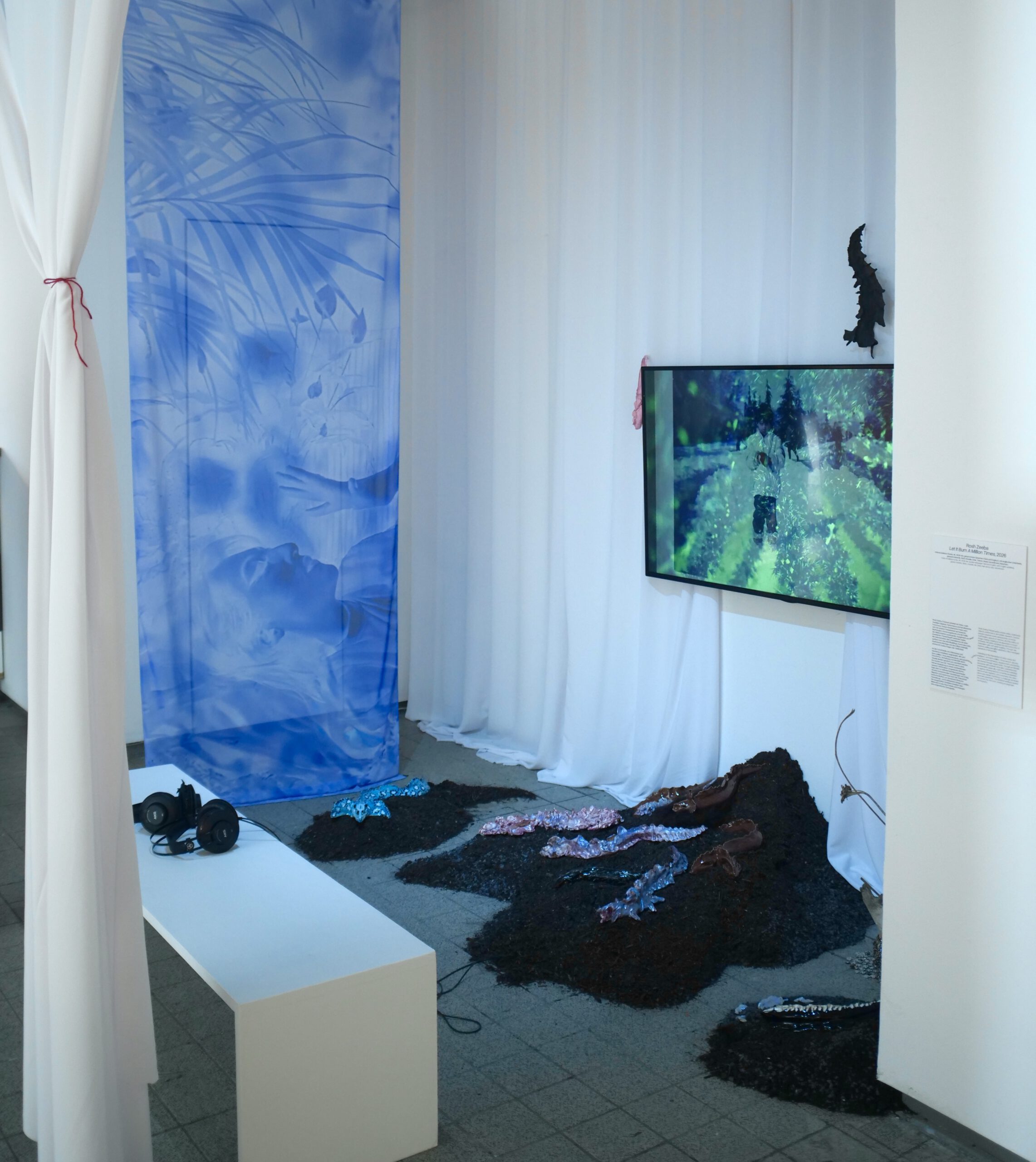
Exhibition view with art work from Rosh Zeeba © Rosh Zeeba
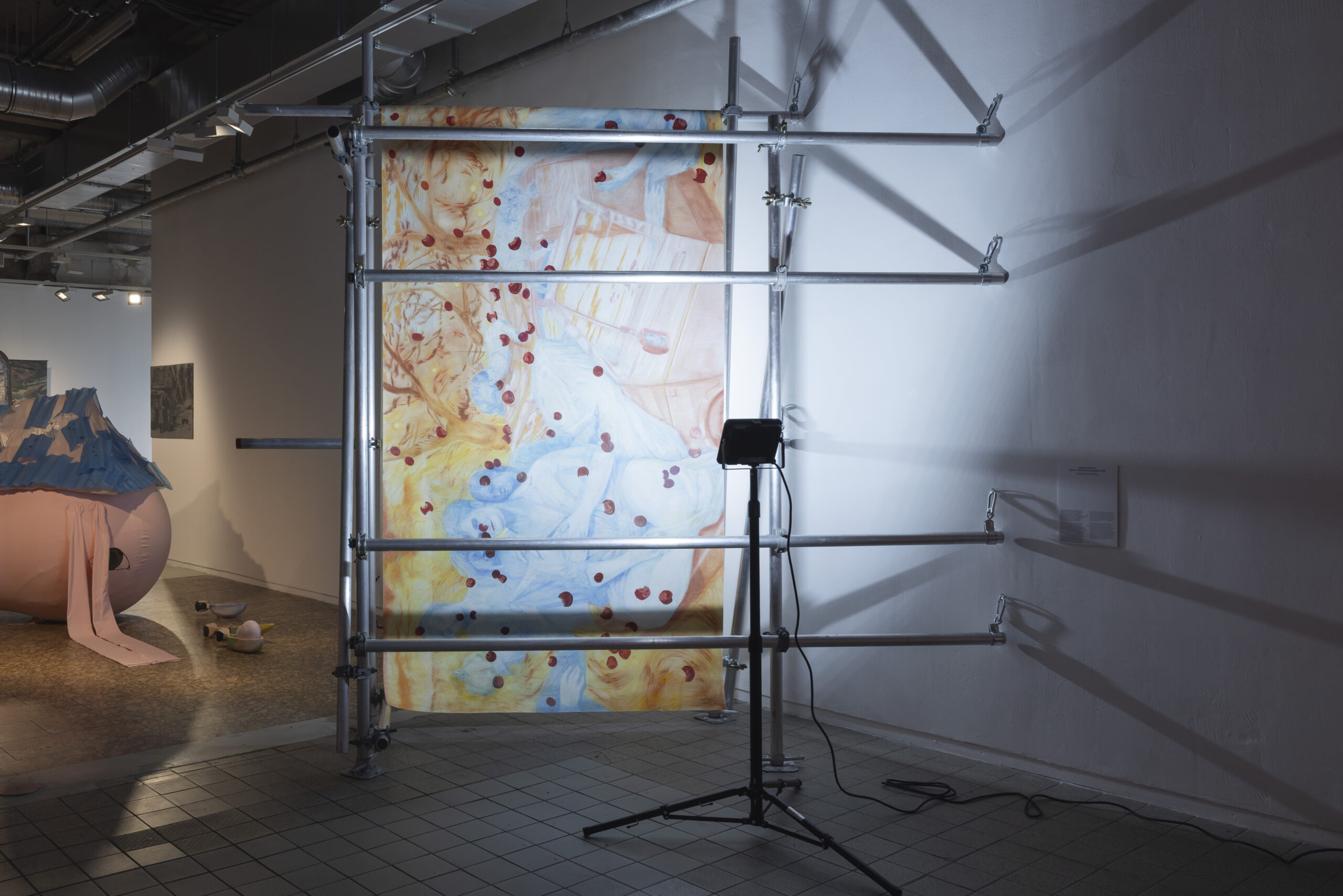
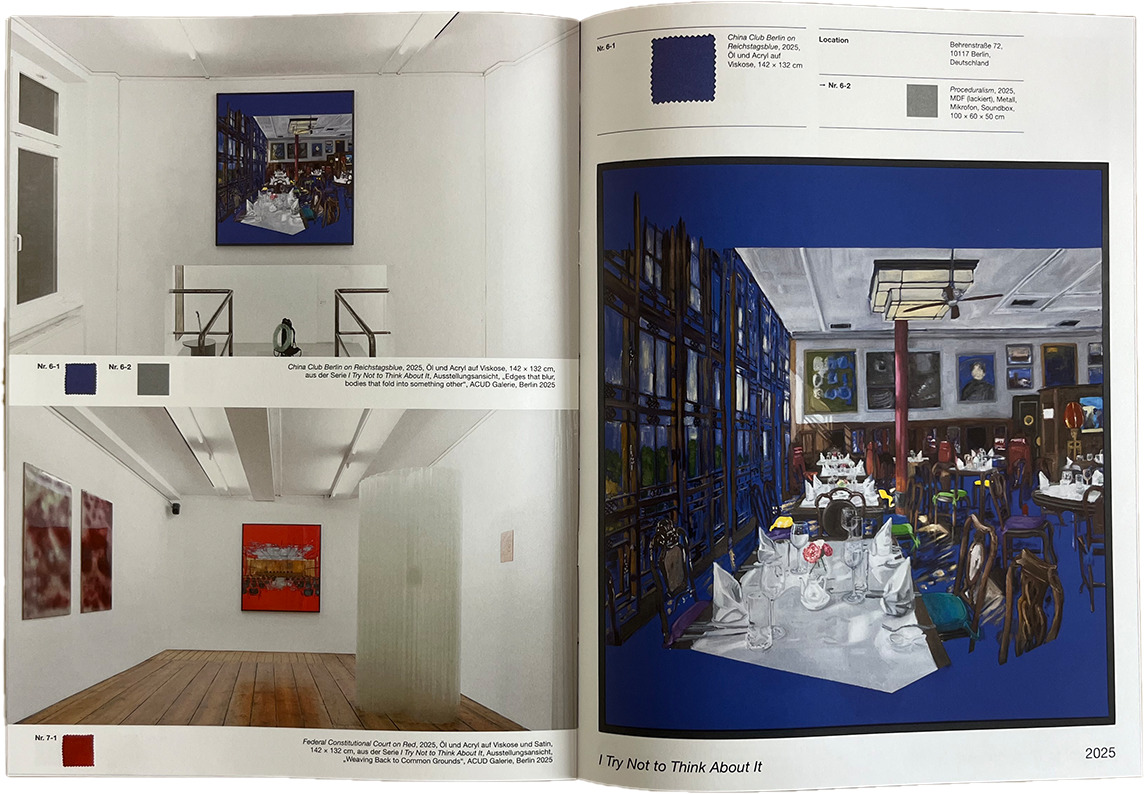
Exhibition view with art works from Suah Im, Kristina Kusmina Dreit and Jelena Fužinato © Victoria Tomaschko
Exhibiton view with art works from ahel grote Lambers, Marie Salcedo Horn and Suah Im © Victoria Tomaschko
Exhibition view with art works from Daria Syvakos, Wiebke Mertens, Rahel grote Lambers and Miriam Schmidtke © Victoria Tomaschko
Exhibition view with art works from rezzan gümgüm and Hyejeong Yun © Fiona Ahrens
Exhibition view with art works from Hyejeong Yun and Daria Syvakos © Victoria Tomaschko
Exhibition view with art works from Rahel grote Lambers and Marie Salcedo Horn © Victoria Tomaschko
Exhibition view with art works from Marie Salcedo Horn, Jane Garbert, Esther Roosenboom and Kristina Kusmina Dreit © Victoria Tomaschko
Exhibition view with art works from Esther Roosenboom, Alma Itzhaky and Jane Garbert © Victoria Tomaschko

Visit the exhibition

Duration: 10–20 September 2026
Opening: Wednesday 9 September 2026, 6pm to 10pm (public)
Opening hours:
Tue–Sun 12:00–18:00
Fri 12:00–20:00
Special opening hours for Art Week, September 10–13: 12:00–20:00
Free admission

Goldrausch-Team
Project Director: Hannah Kruse
Teaching Coordinator: Veronika Bartelt
Teaching Assistant & PR: Manon Frugier
Administration & Finance: Antonia Zeljko, Sonja Altmeppen
Set-up: Leopold Landrichter
Press: Barbara Green
Graphic design: Rimini Berlin

Team nGbK
Managing director: Sophie Goltz
Office and member services: Laura Gaertner
Production: Anuschka Gooß
Technical management: Moritz Jekat
Installation team: Emoke Samu, Tibor Horváth, Jo Landt, Valentyn Medvediev, Levente Pavelka, Matthieu Séry, Andrés Felipe Uribe Cárdenas
Events: Jérôme Sklorz
Press: Lutz Breitinger
Communications: Anna Schanowski, Madeleine Stöber
Publications and archive: Hanna Magauer
Logistics and shipping: Hartmut Schulenburg
Finances: Anita Marschner
Accounting: Barbara Jerusalem, Kerstin Karge
Visitor service: Lith Bahlmann, Valentina Berthelon, Alex Booth, Andrés Felipe Uribe Cárdenas, Marcela Sánchez, André Schöne
taz logo - Medienpartner
Medienpartner

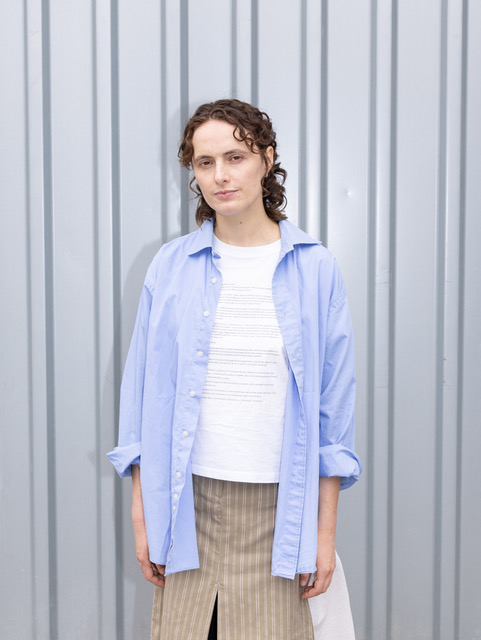
Kristina Kusmina Dreit

Kristina Kusmina Dreit (b. 1988, Kazakhstan) is a multidisciplinary artist and director. Through performance, installation, text, and film, she explores how labor and economic conditions are inscribed in the body, the senses, and perception. She studied at the Academy of Fine Arts Vienna, Zurich University of the Arts (ZHdK), and the University of Hildesheim. In 2024, she and her sister published the book Working Class Daughters. Über Klasse sprechen (Working Class Daughters. Talking About Class). Her work has been presented at Berlinische Galerie; Lenbachhaus in Munich; Bâtard Festival in Brussels; Indeks in Bandung, Indonesia; and Centrale Fies in Trento, Italy, among other venues.
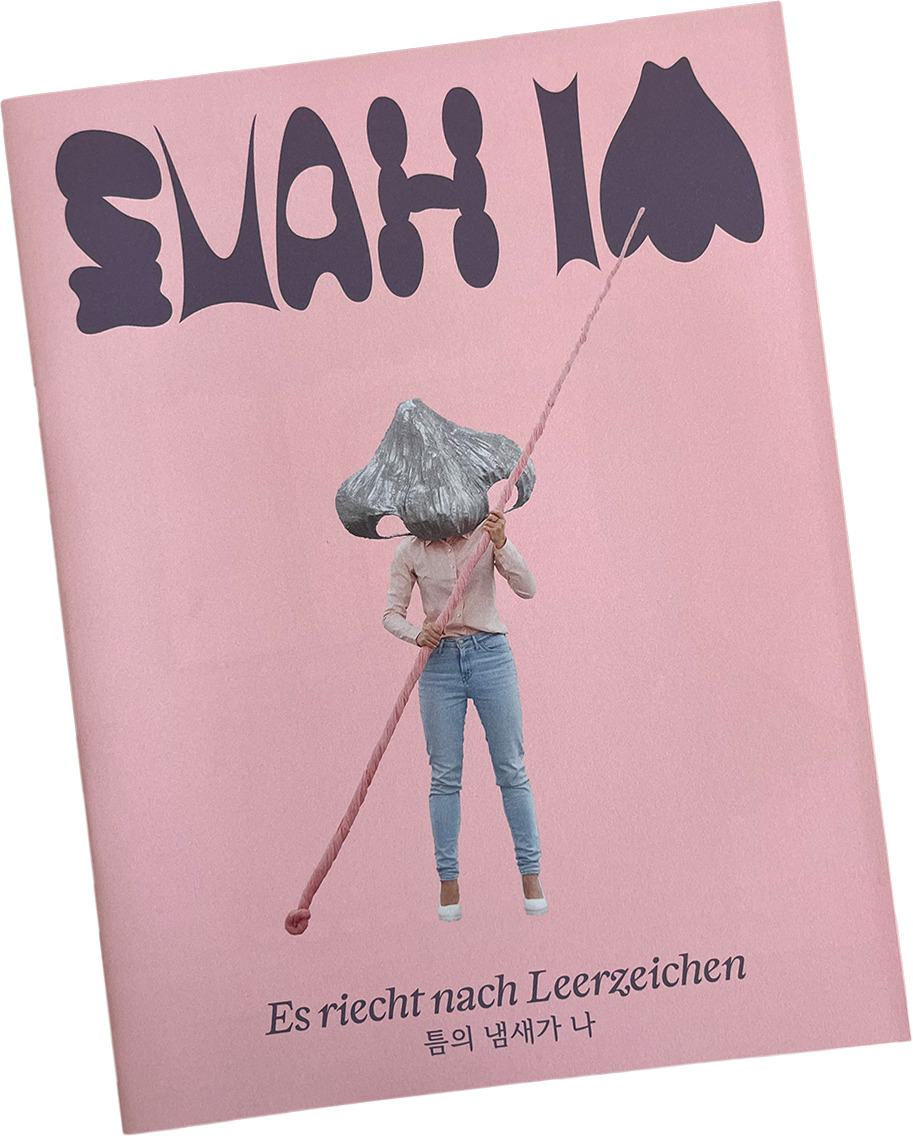
Foto: Hanna Lenz

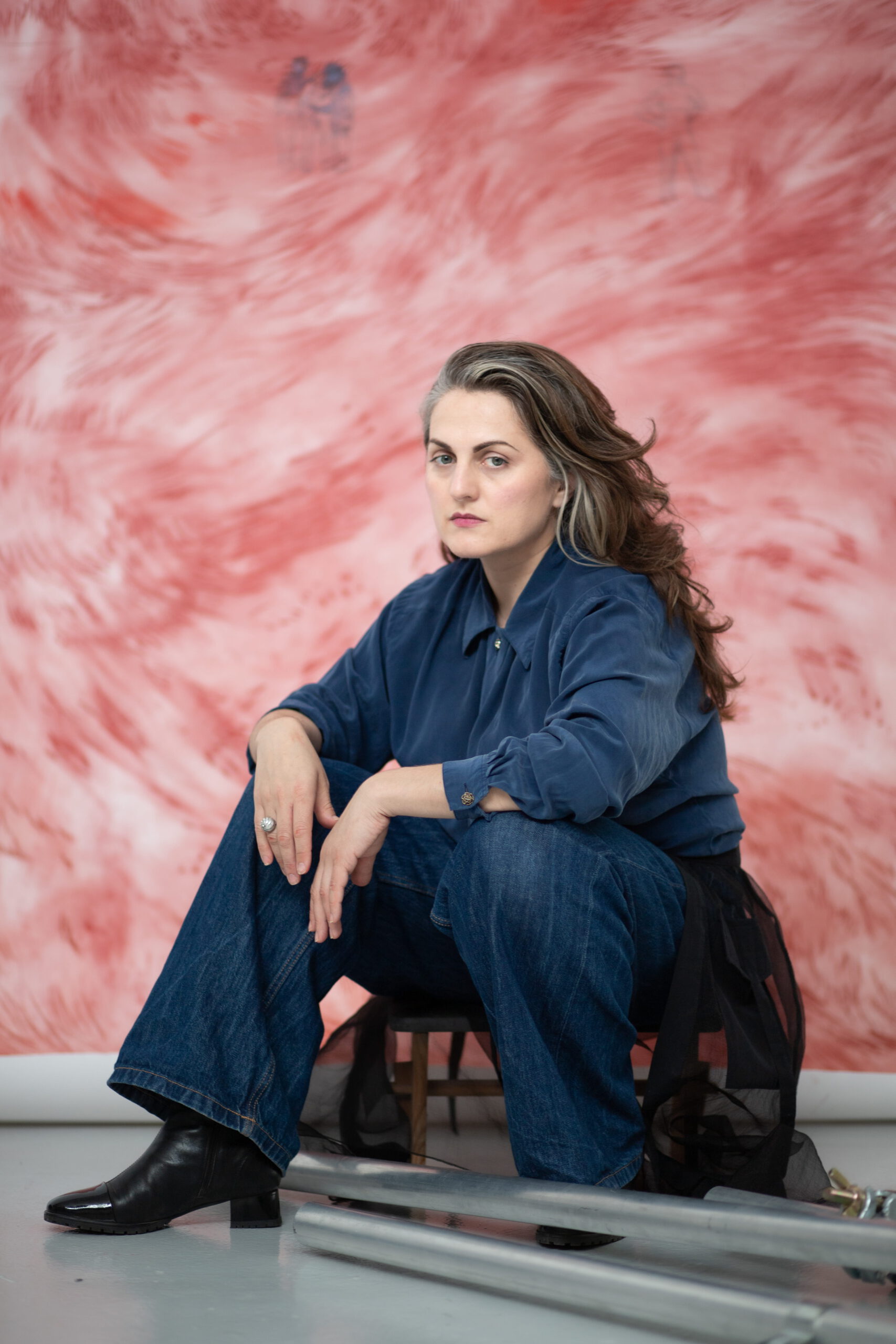
Jelena Fužinato

Jelena Fužinato (b. 1984, Yugoslavia; raised in Bosnia and Herzegovina) studied at the Academy of Arts of the University of Banja Luka, the University of Arts in Belgrade, and the Institute for Art in Context at Berlin University of the Arts (UdK). Working with drawing and installation, she examines transnational politics, colonial continuities, and institutional exclusion. Her practice is rooted in the phenomenon of the construction site. Fužinato’s work has been presented at Berlinische Galerie, Hamburger Bahnhof – Nationalgalerie der Gegenwart, and nGbK in Berlin, among other venues. Her practice also encompasses teaching and collaborative formats. She has taught at the Hessian Theatre Academy in Frankfurt, Berlinische Galerie, and the University of Potsdam. Since 2021, she has been the project director of KontextSchule, a continuing education program based in Berlin.

Foto: Ilaria Biotti

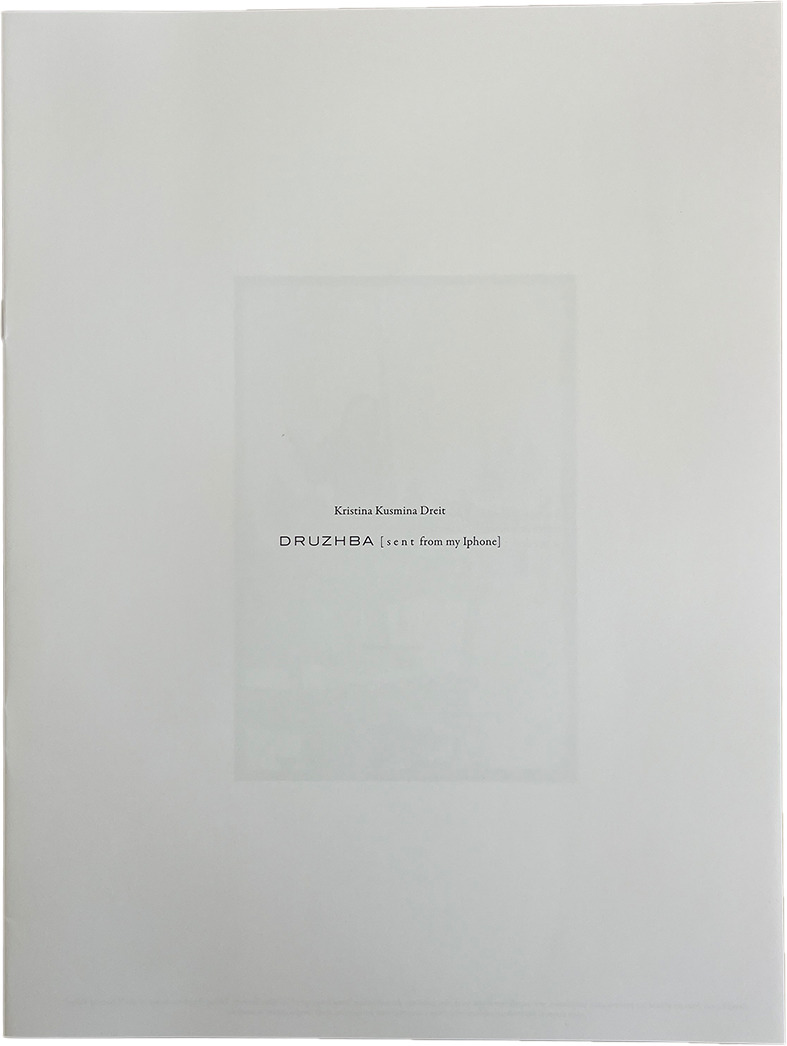
Kristina Kusmina Dreit

Druzbha (sent from my Iphone)

Text: Zofia Nierodzinska, edited by Richard Pfeiffer
Layout: Max Schropp – CTMS-Studio
16 pages, 6 images

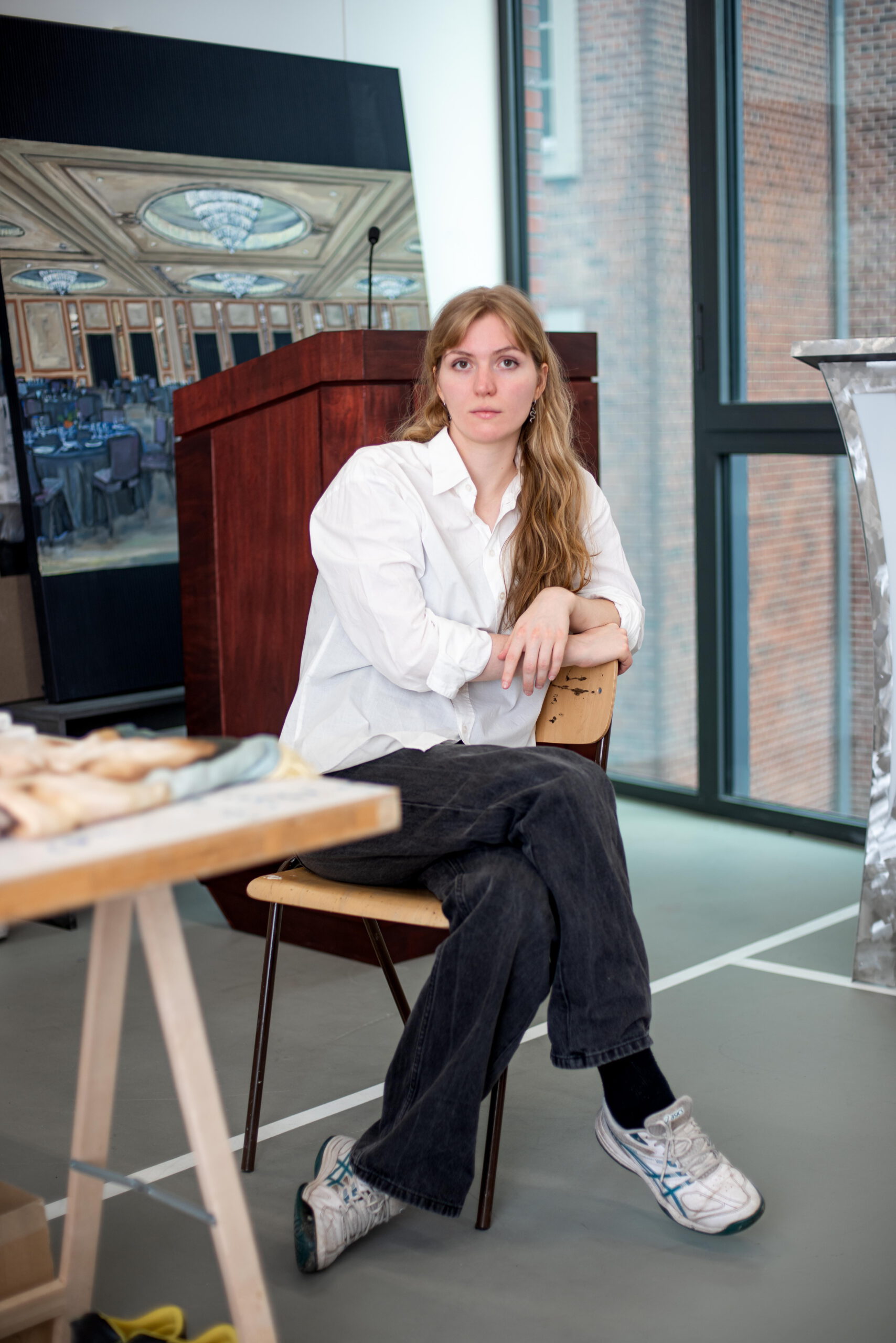
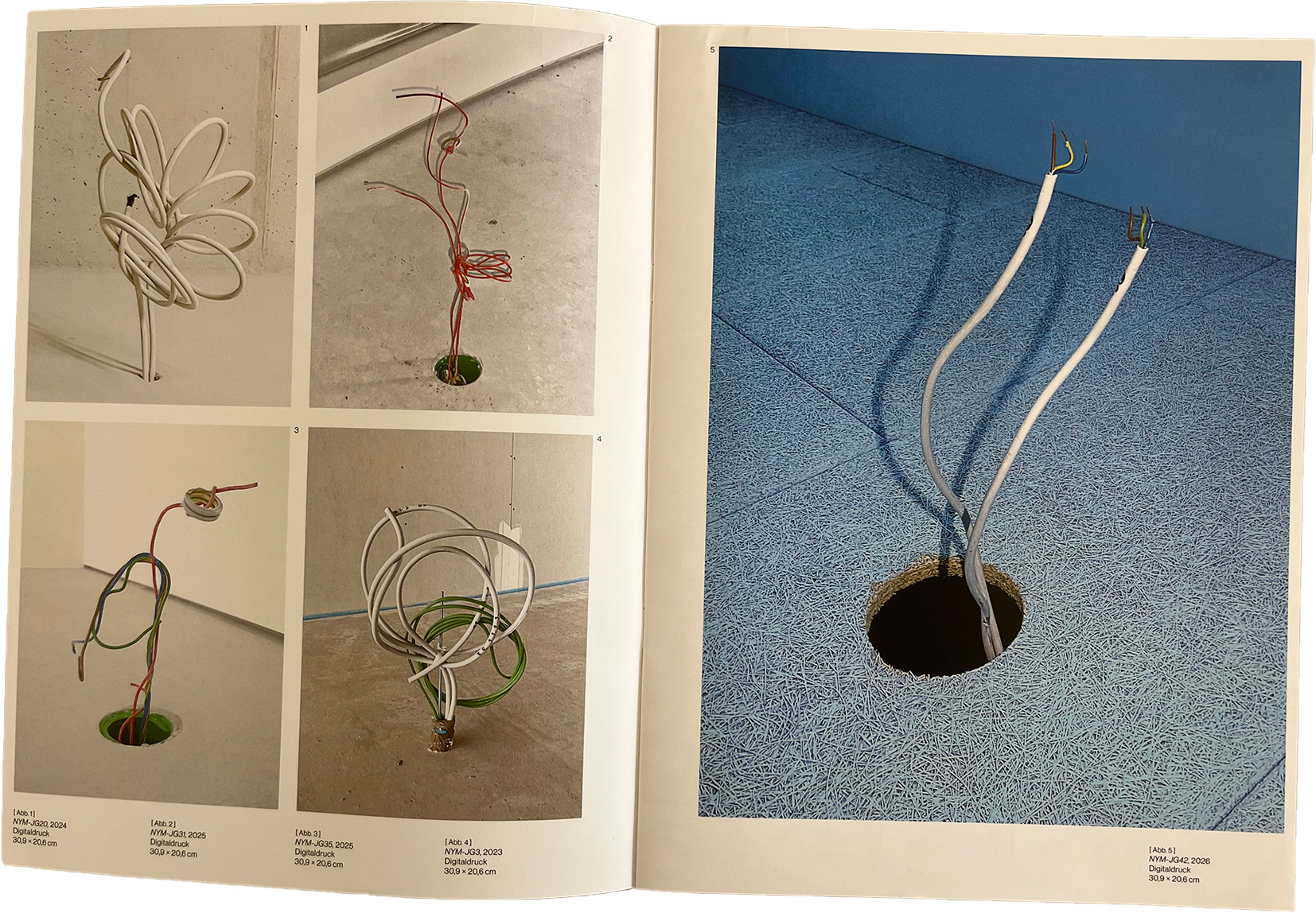
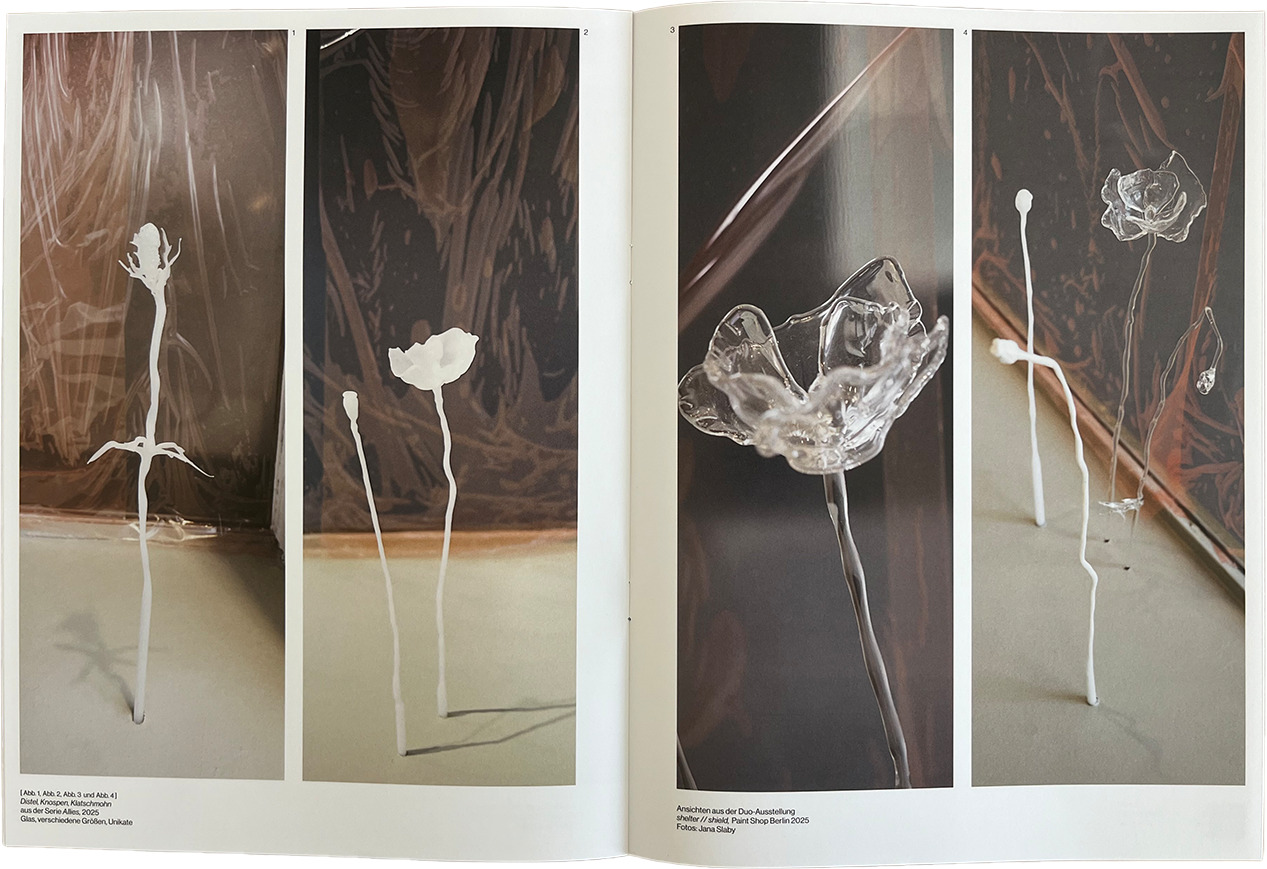
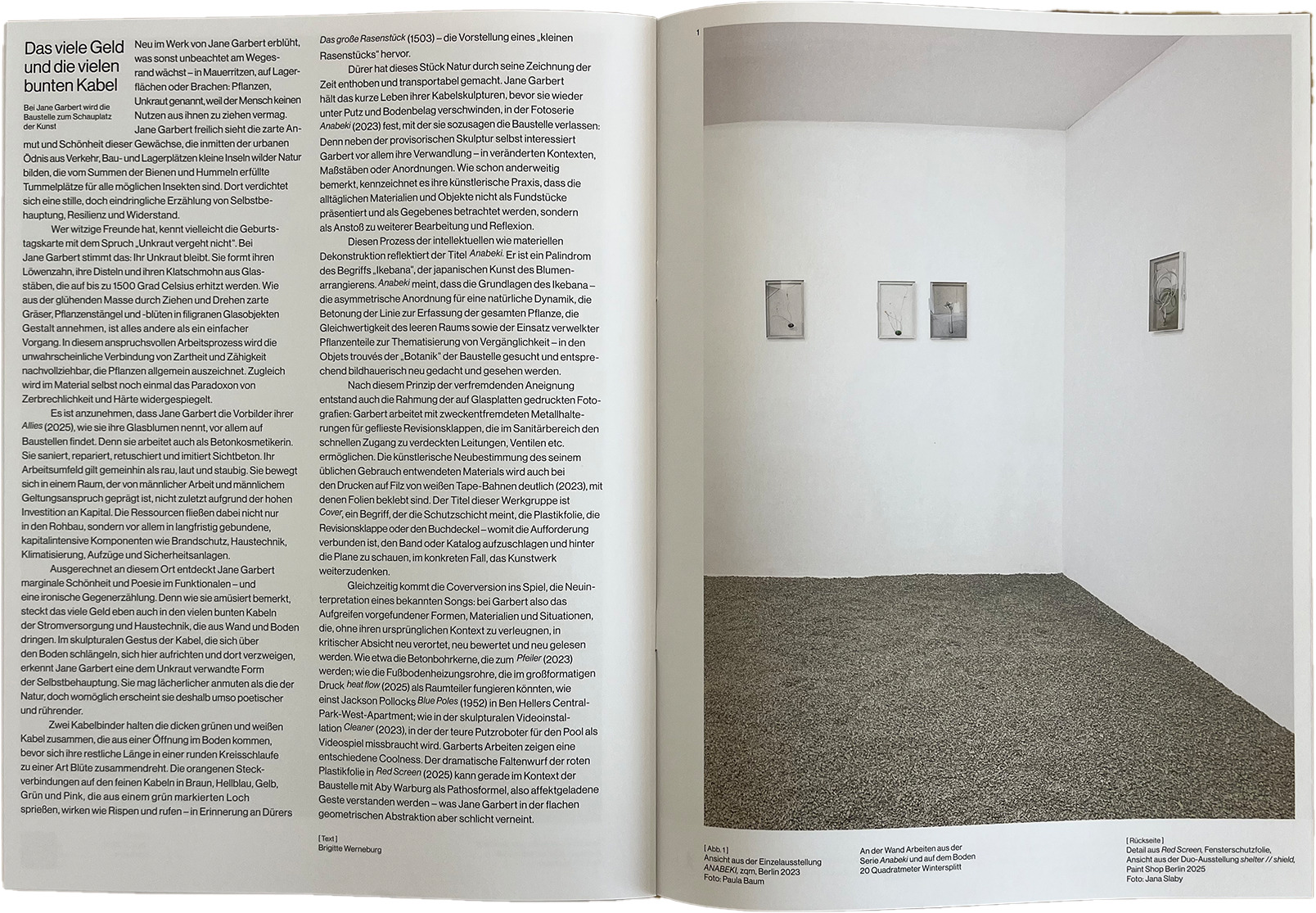
Jane Garbert

Jane Garbert (b. 1988, Berlin) studied Fine Arts at Berlin University of the Arts (UdK) under Thomas Zipp and Christine Streuli. She is interested in the transformative potential of everyday materials. Drawing on observations captured through photography and film, she removes them from their functional contexts and translates them into new poetic visual spaces. Garbert has received, among other honors, the Förderpreis Junge Kunst as well as grants from the Dorothea-Konwiarz Foundation and Stiftung Kunstfonds. Her work has been exhibited at Galerie Vincenz Sala, feldfünf, and Galerie Burster in Berlin, as well as at Structura Gallery in Sofia. She will be lecturing in the Visual Arts program at the Technical University of Berlin in the summer semester of 2026.

Foto: Majid Moussavi

Jelena Fužinato

Institutional Negotiation

Text: Eremire Kransniqi
Layout: Carsten Eisfeld
16 pages, 11 images

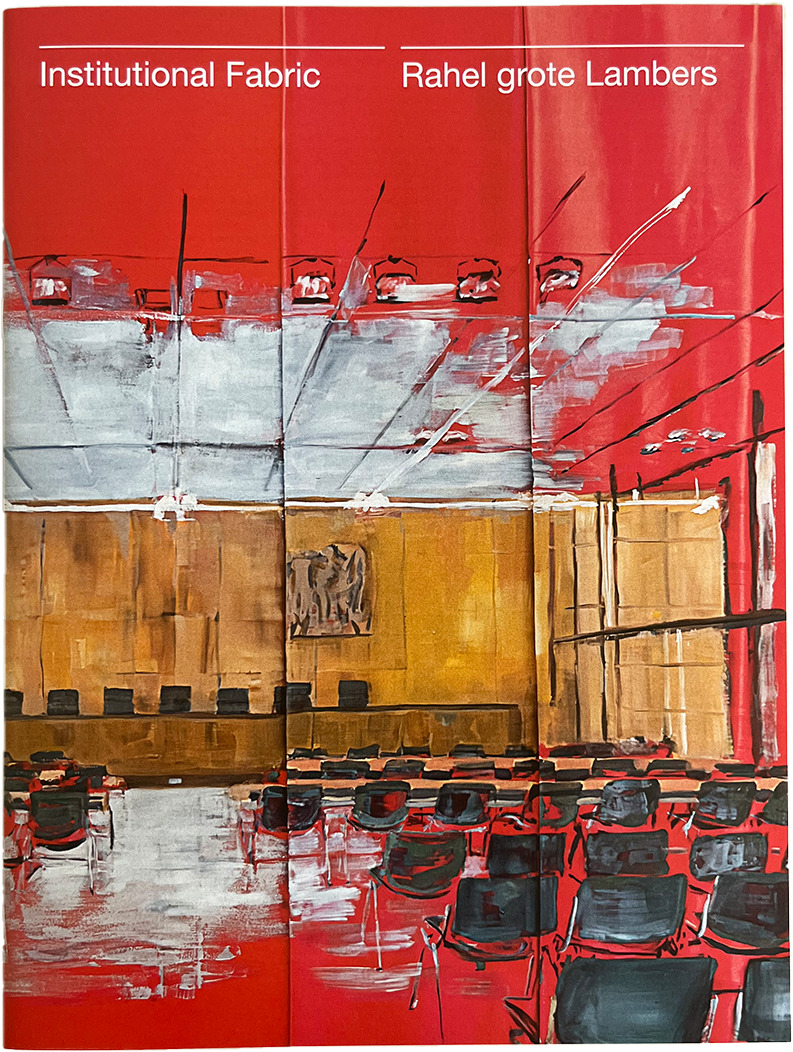
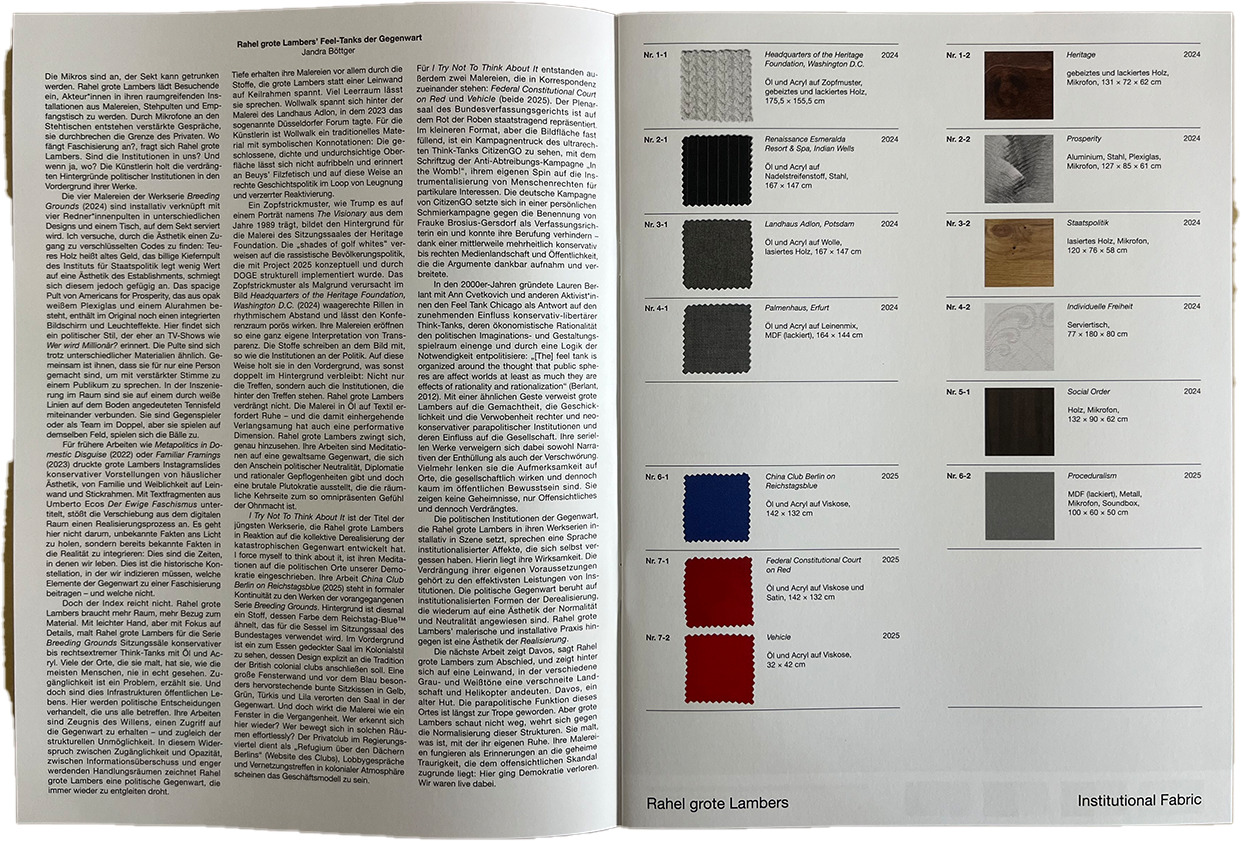
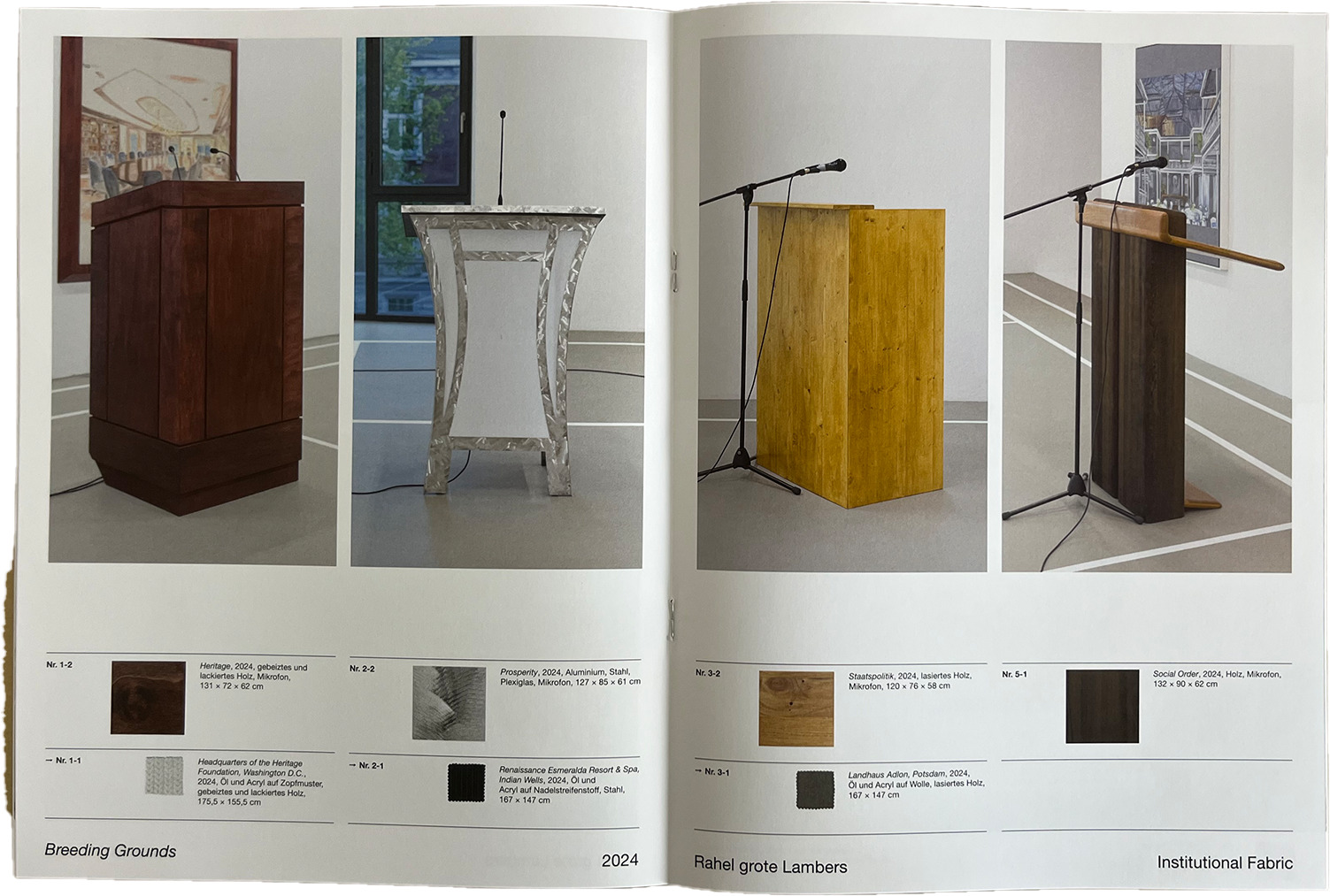
Rahel grote Lambers

Rahel grote Lambers (b. 1996, Eschwege) studied Fine Arts at the University of Fine Arts Hamburg (HFBK) under Rajkamal Kahlon and Simon Denny (MFA, 2024), as well as at the University of Barcelona. Her practice encompasses painting, sculpture, and installation. She engages with political ideologies and their narratives, as well as their visual strategies. Her work has been exhibited at Kunstverein Gastgarten in Hamburg and VUNU Gallery Košice, among other venues. In 2025, she was shortlisted in the painting category for the Kunstpreis Junger Westen (Kunsthalle Recklinghausen); in 2024, she was nominated for the Bundeskunstpreis für Studierende; and in 2022, she received the Ursula-Schneider-Preis. She is a member of the artist collective otc – Observant Thick Conversation.

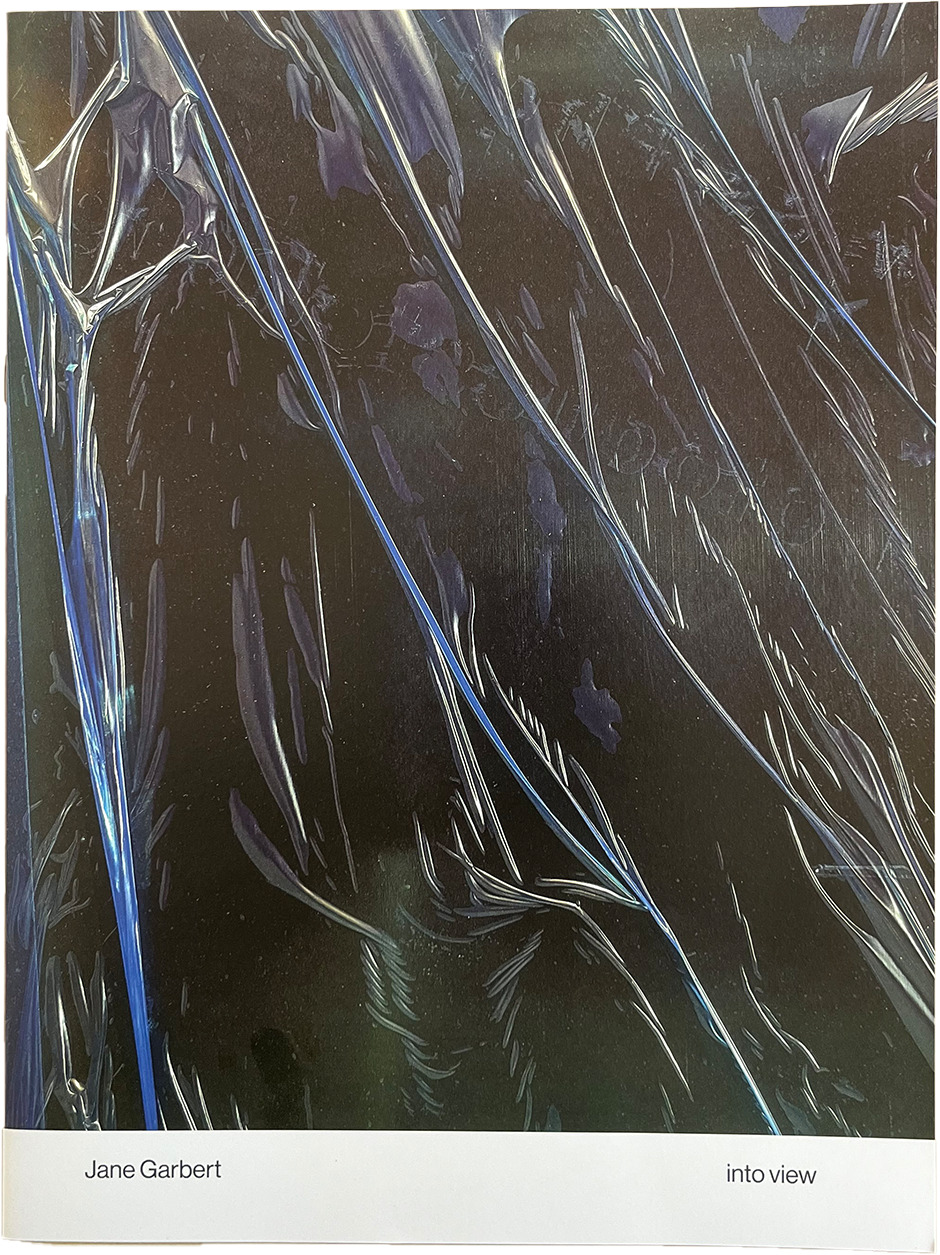
Jane Garbert

into view

Text: Brigitte Werneburg
Layout: Nora Cristea
16 pages, 17 images

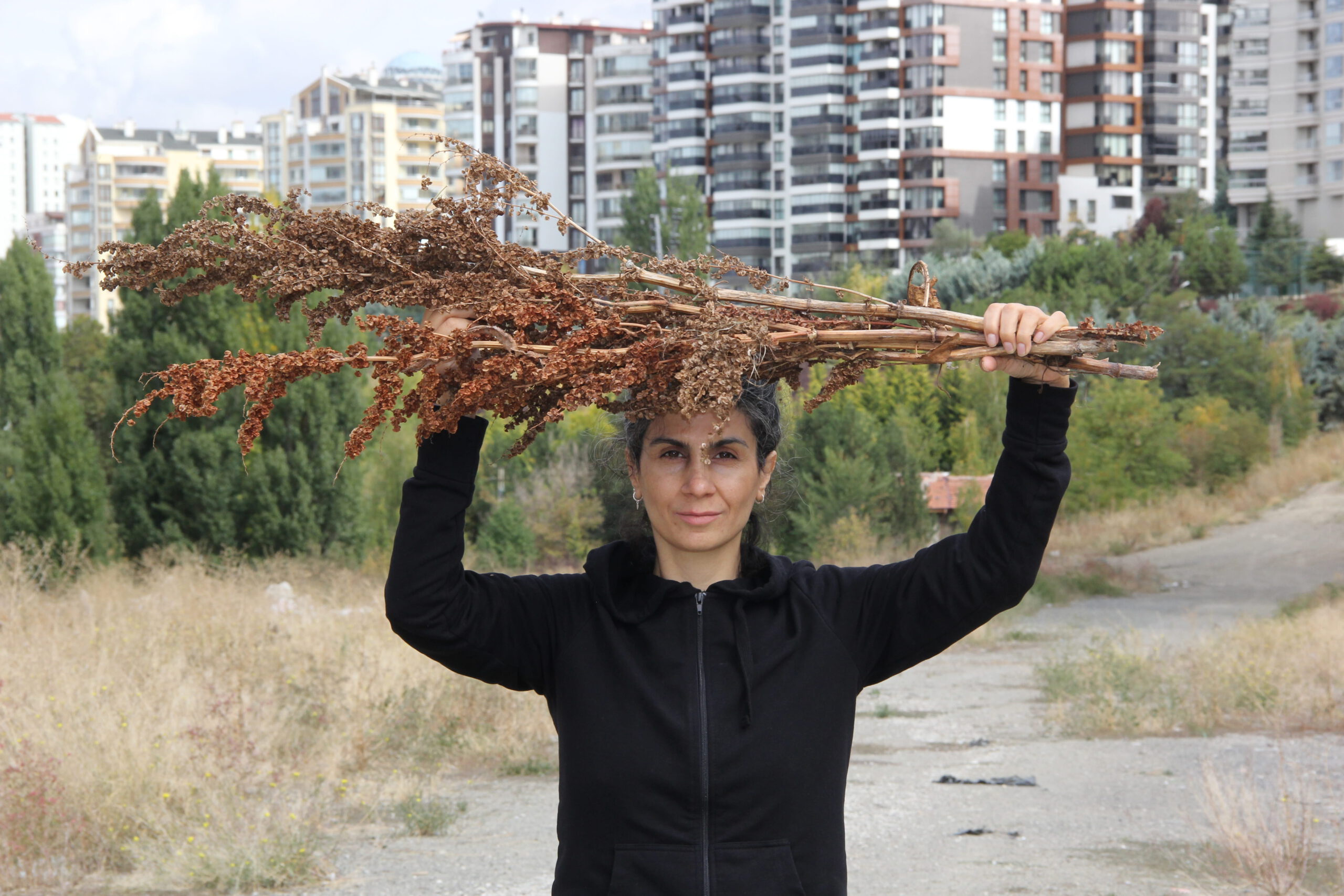
rezzan gümgüm

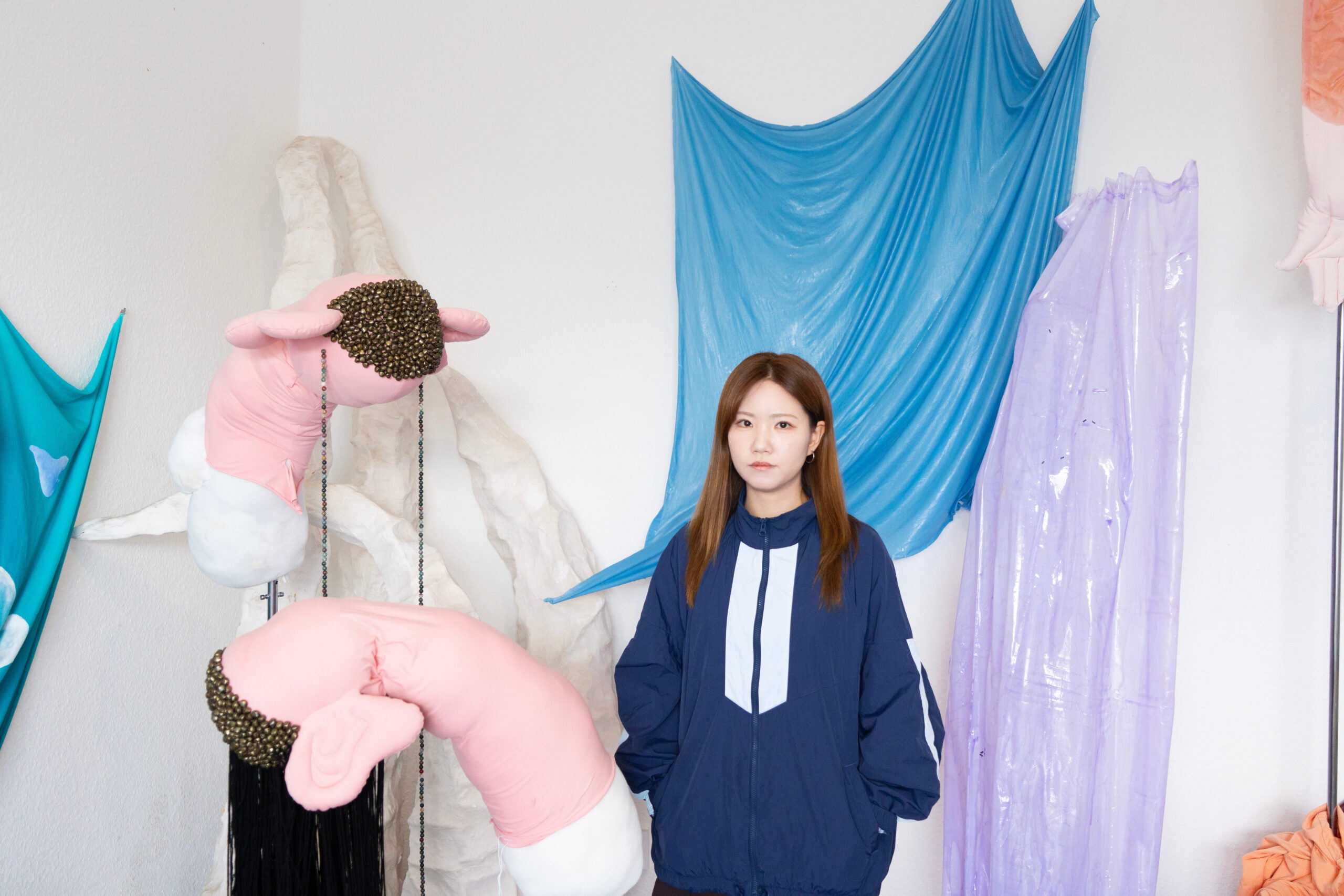
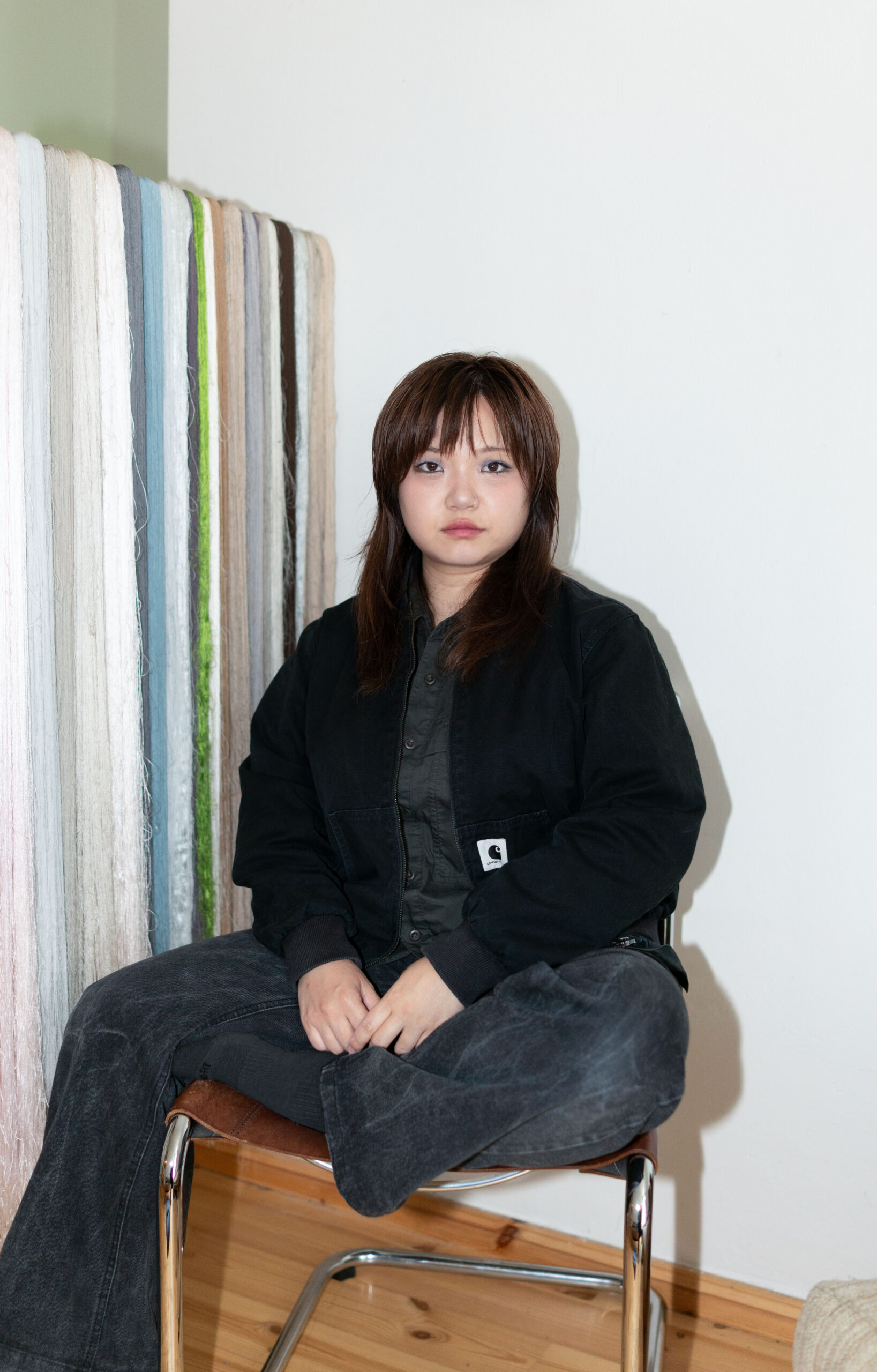
rezzan gümgüm (b. 1978, Varto) is a multimedia artist and researcher. She received her BA and MA in art education from Gazi University and completed her PhD in fine arts at Hacettepe University in Ankara. Additional studies took her to the Accademia di Belle Arti di Macerata in Italy and the Complutense University of Madrid. In her artistic practice, she explores questions of displacement, identity, memory, nature, and everyday life, as well as narratives that exist beyond official historical and national accounts. Her work has been exhibited at ZKM Karlsruhe, Spore Initiative and nGbK in Berlin, and Depo Istanbul, among other venues. In 2024, she received a grant through the Berlin Senate’s Istanbul–Berlin residency program.

Foto: Erhan Muratoğlu

Ksti Hu

Ksti Hu (b. 1991) grew up in Komi and studied Visual Communication and Media Art in Berlin and Offenbach. Early experimental works include animated videos for Pussy Riot and Rage Against the Machine, as well as digital tools that question language and identity as culturally coded systems. With the solo exhibition 20 KG of Me (2025) at saasfee*pavillon in Frankfurt am Main, Hu’s focus shifted more decisively toward Thermal Politics. Her work has been shown at Superchief Gallery NFT in New York and Museum Angewandte Kunst in Frankfurt, among other venues. Ksti Hu has presented solo performances at the Conceptual Biennale in Berlin and L’Aléatoire in Paris, among other locations, as well as collaborative performances at the Brooklyn Museum in New York; SXSW in Austin, Texas; and OK Linz in Austria.

Foto: Antonio Velez

Rahel grote Lambers

Institutional Fabric

Text: Jandra Böttiger
Layout: Dokho Shin
16 pages, 18 images

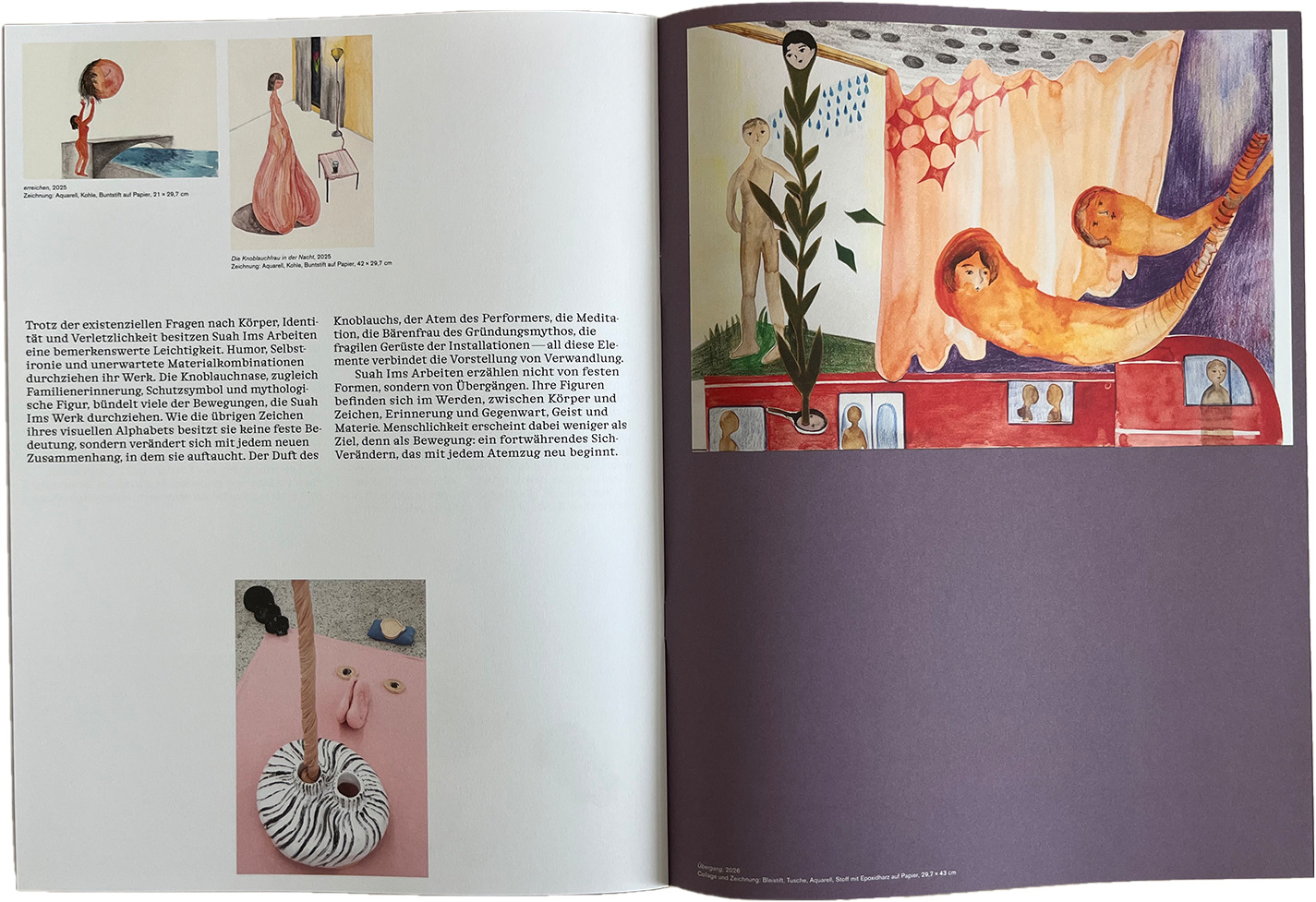
Suah Im

Suah Im (b. 1988, Bucheon, South Korea) studied Installation Art at the Stuttgart State Academy of Art and Design (ABK Stuttgart) and Experimental Film and Media Art at Berlin University of the Arts (UdK). In her multimedia installations, she explores the origins of the self and the multifaceted nature of identity. Her work has been presented in solo exhibitions at Kunstmuseum Stuttgart and EIGEN+ART Lab in Berlin, among other venues, as well as in group exhibitions including the 30th ROHKUNSTBAU and the SOMA Museum of Art in Seoul. She has received the kunsthub Art Prize, the Werner Pokorny Foundation Prize, the DAAD Prize, and grants from Stiftung Kunstfonds and the Baden-Württemberg Art Foundation. She was also a fellow at the Cité internationale des arts in Paris.

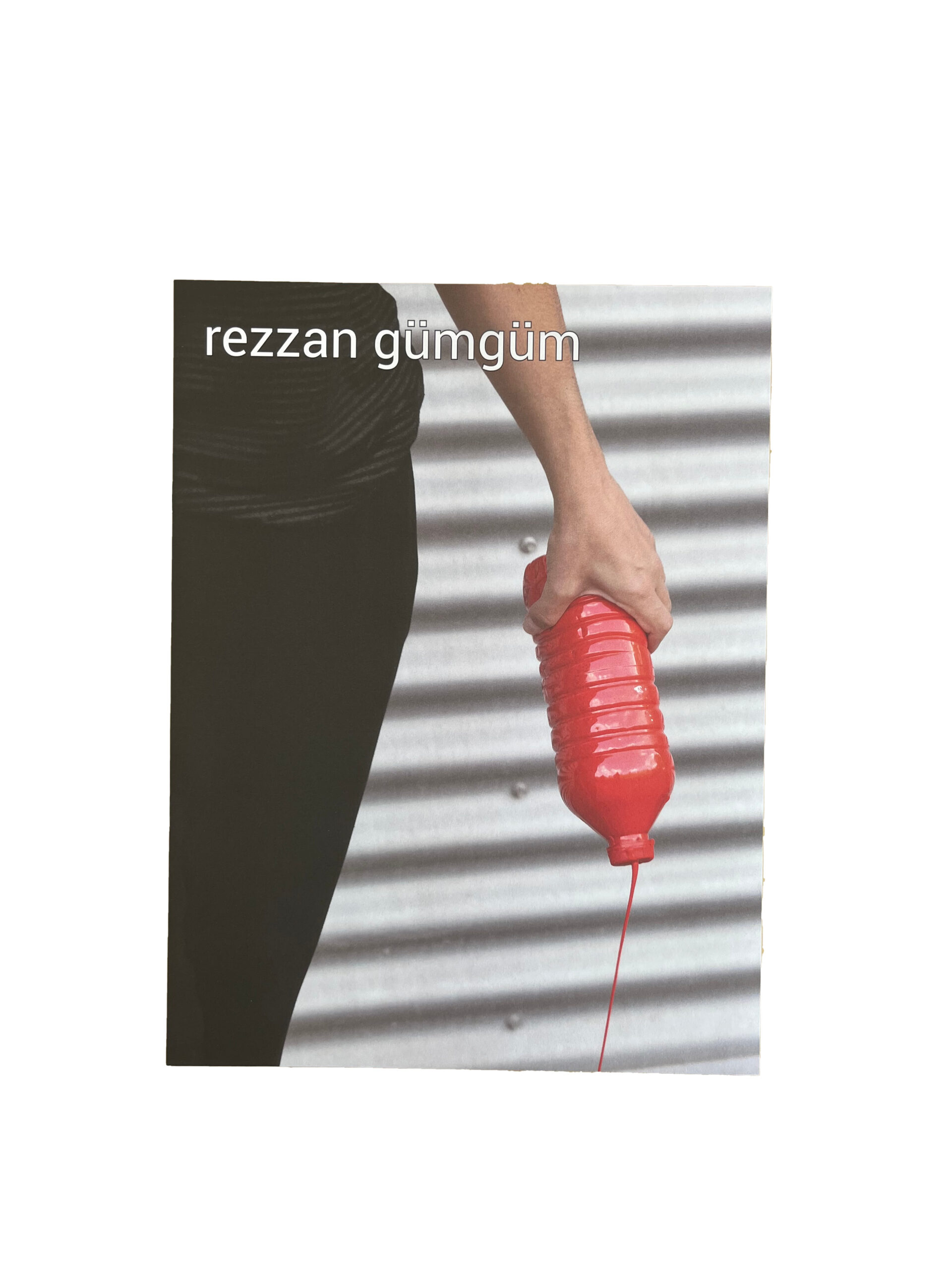
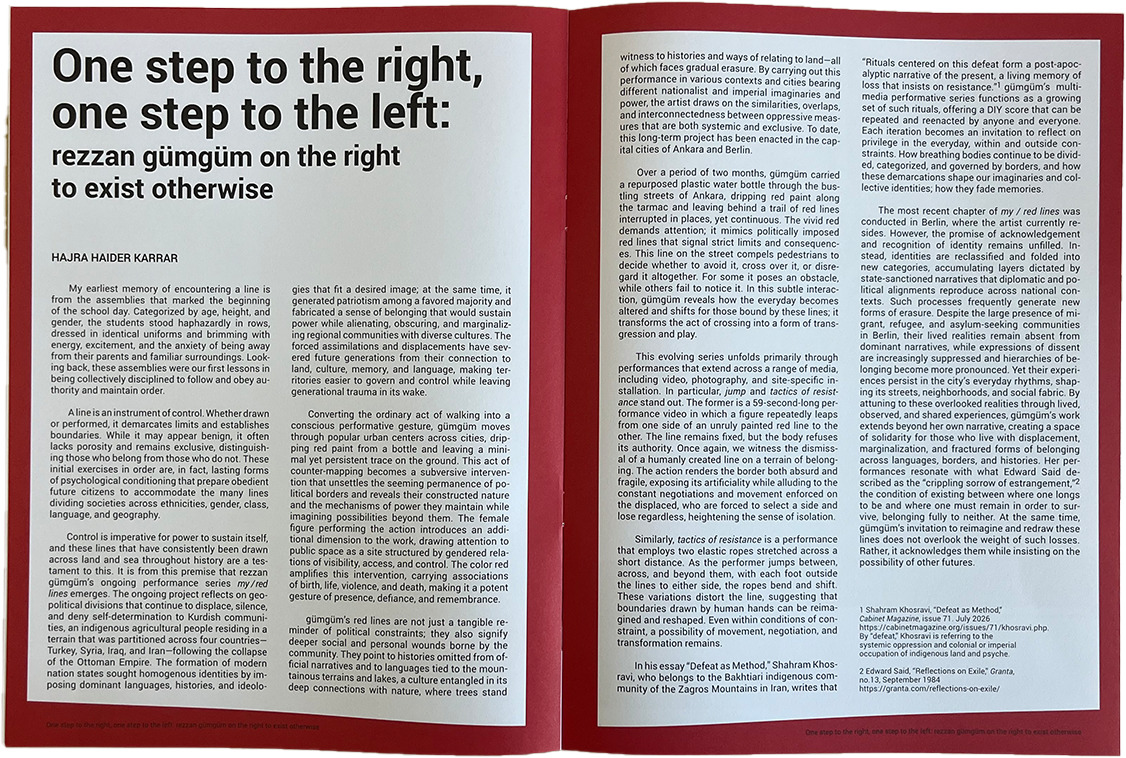
rezzan gümgüm

My/Red Lines

Text: Hajra Haider Karrar
Layout: Erhan Muratoglu
16 pages, 31 images

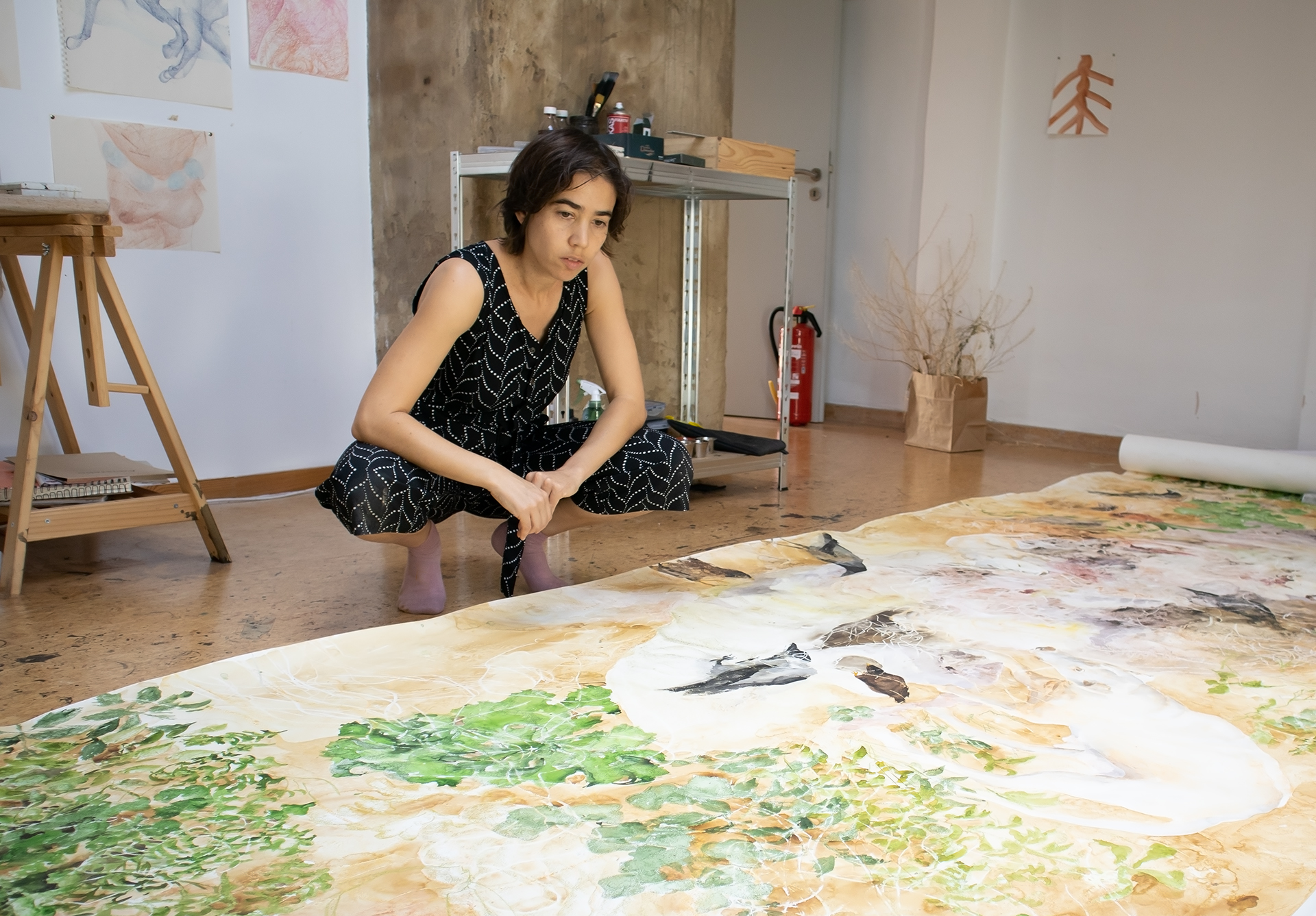
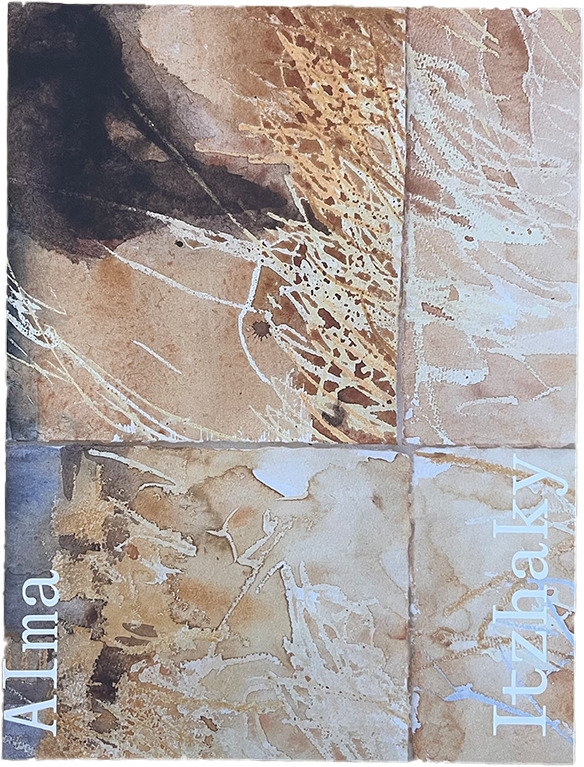
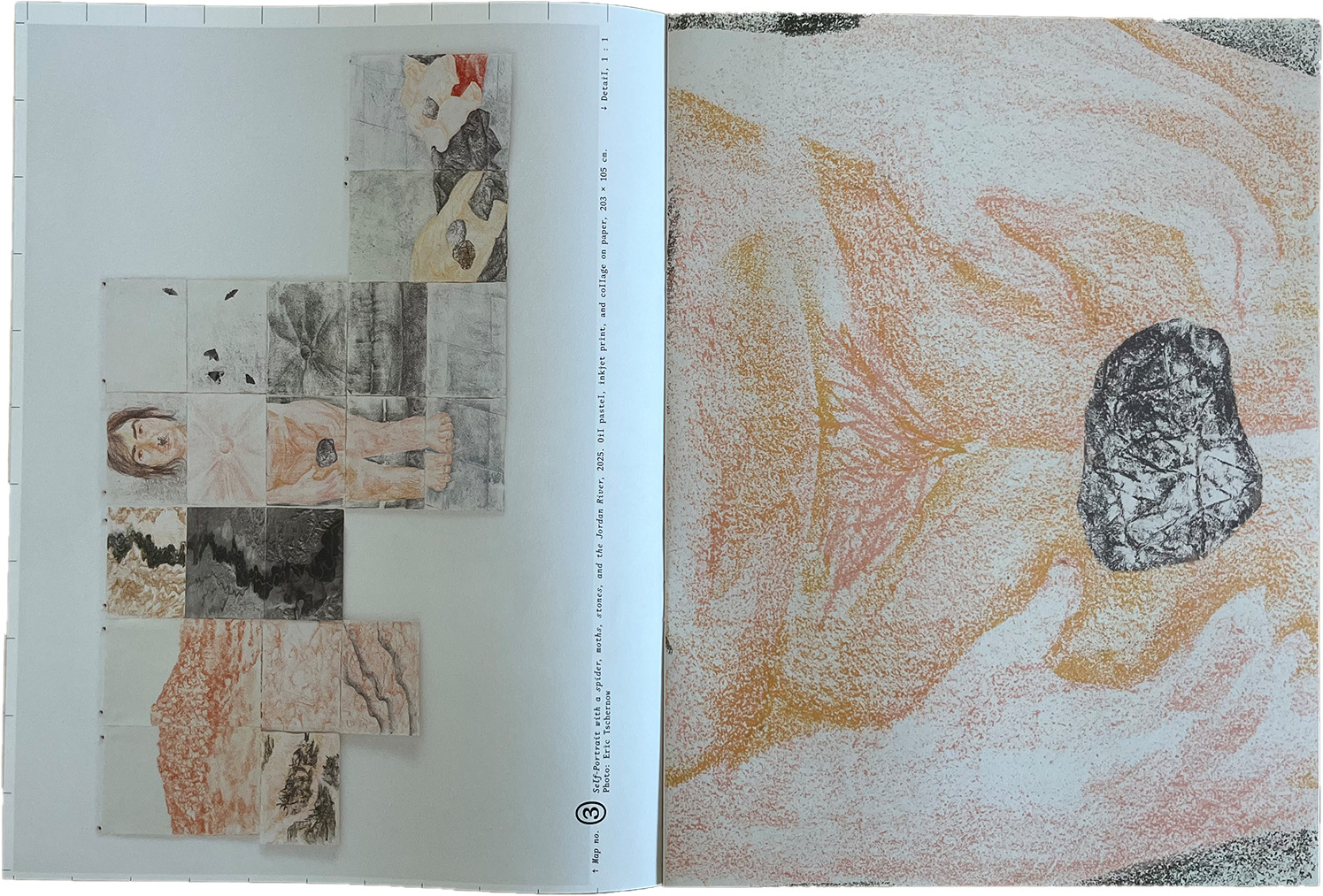
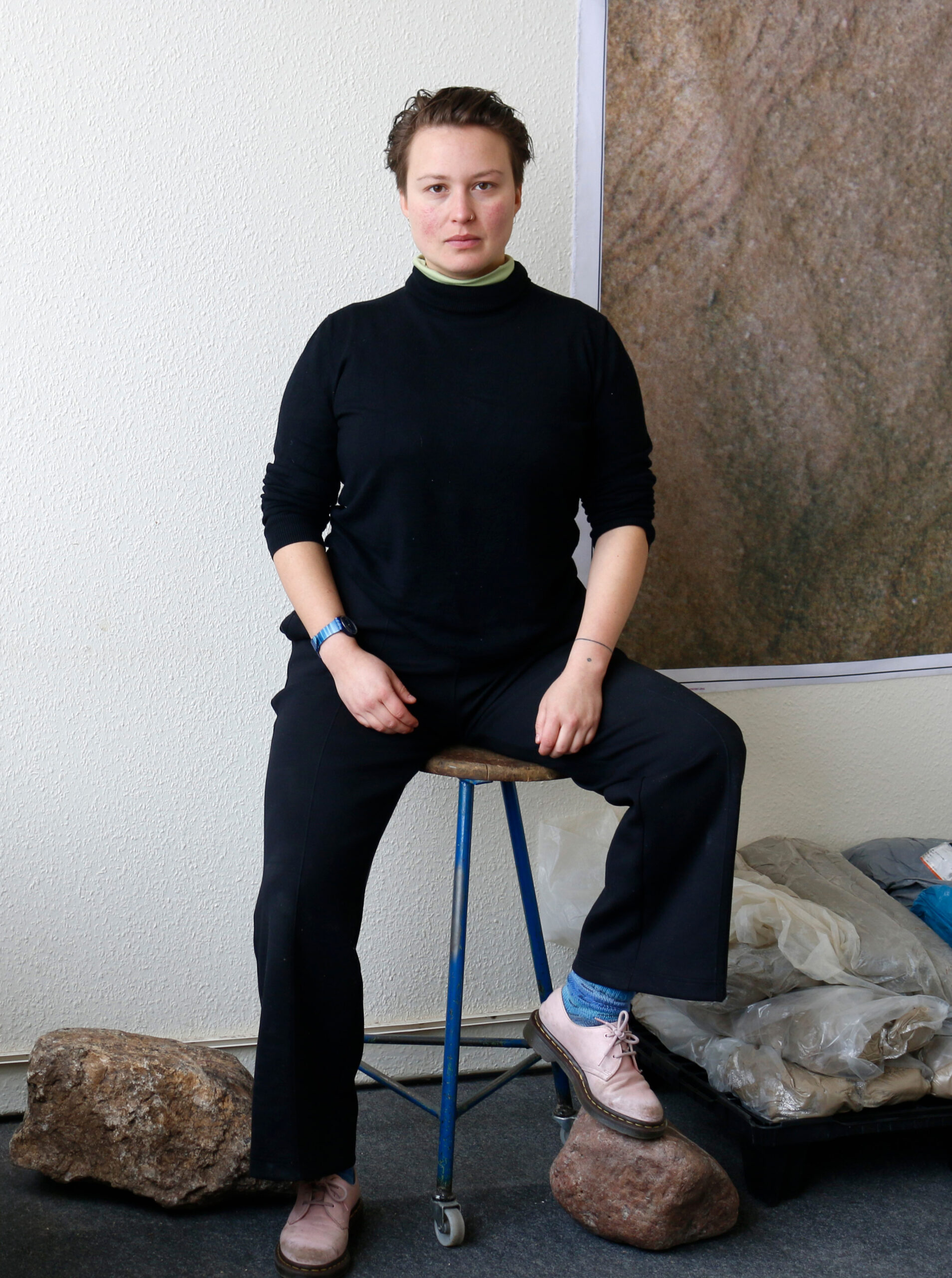
Alma Itzhaky

Alma Itzhaky (b. 1984, Tel Aviv) completed her studies in Fine Arts at the Faculty of Arts at Beit Berl College in Israel and earned a PhD in Philosophy from Tel Aviv University in 2018. Using painting and drawing installations, she documents spatial memories and investigates the relationship between body and place. Her recent exhibitions include the solo exhibition Pupae at Dvir Gallery in Tel Aviv (2024), the LABA Berlin Creative Fellowship at CLB Berlin (2023), and the 8th Biennale for Drawing in Israel in Jerusalem (2022). She is the recipient of the Rappaport Art Prize for a Young Israeli Artist (2014) and has participated in several international residency programs.

Foto: Moran Levy

Ksti Hu

Archive of Unseen Pain

Text: Anika Meier
Layout: Jonathan Castro Alejos
16 pages, 17 images

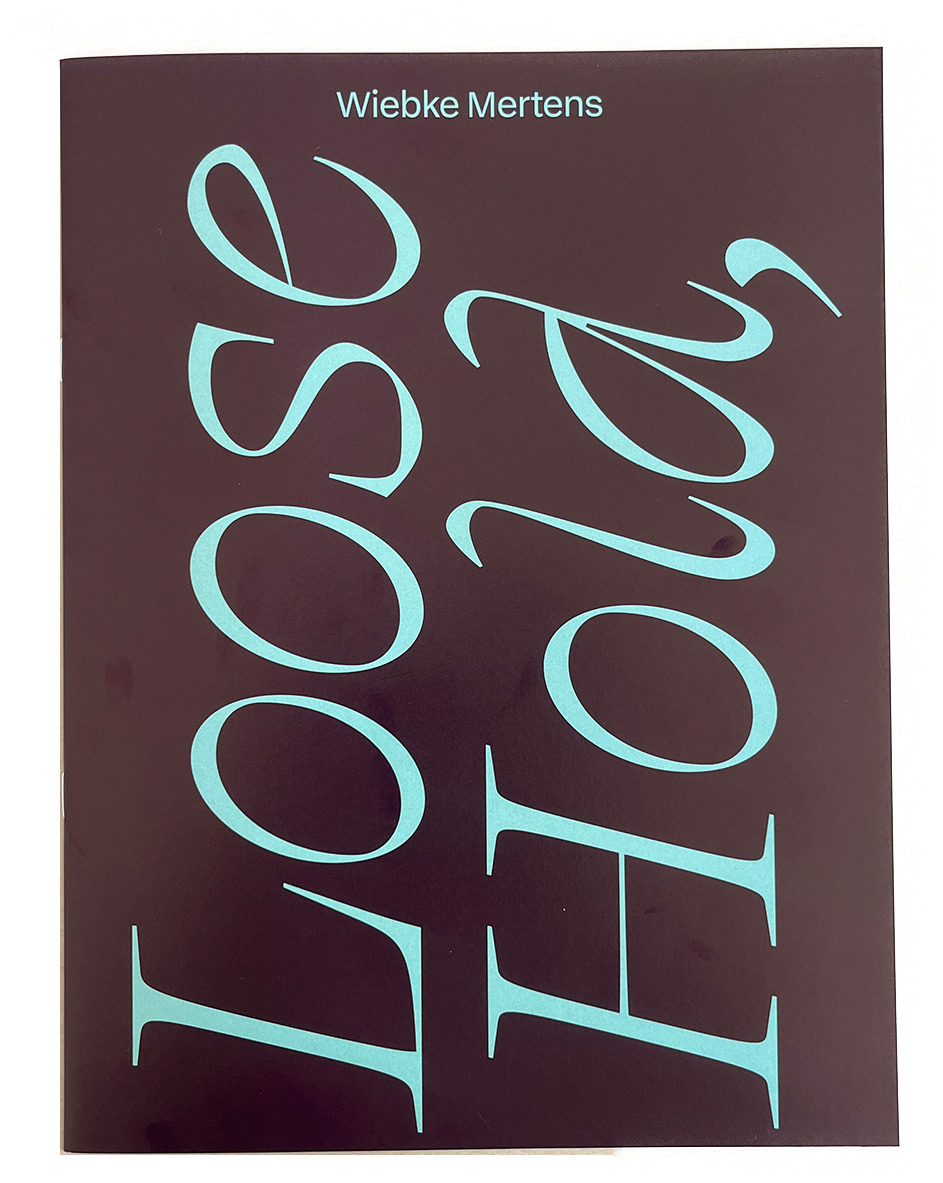
Wiebke

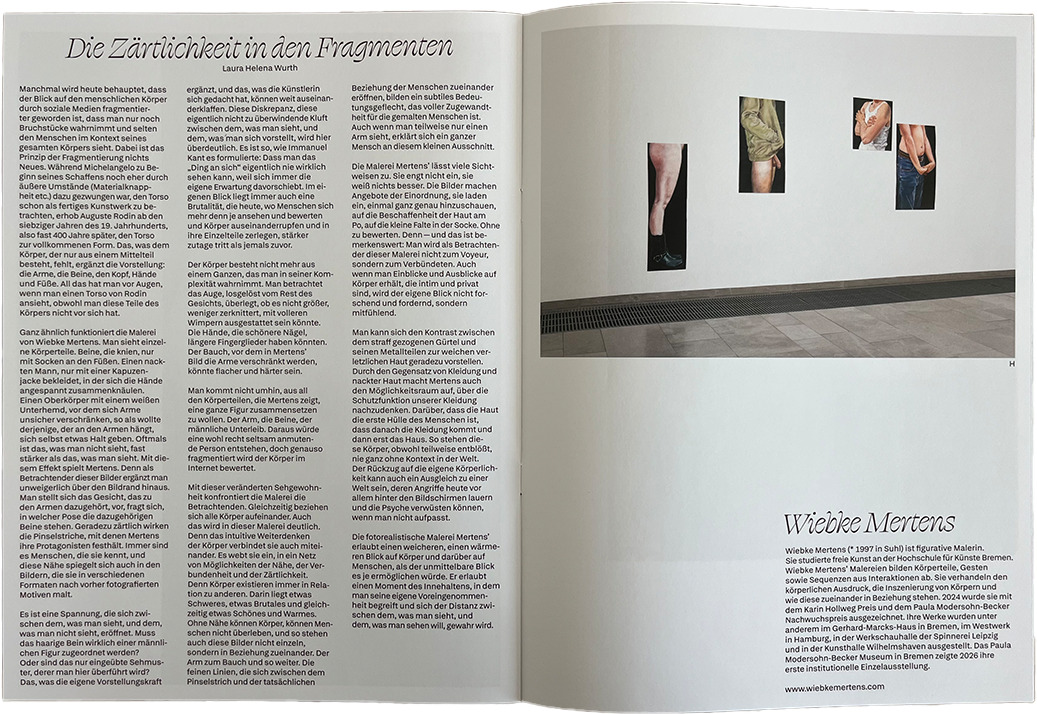
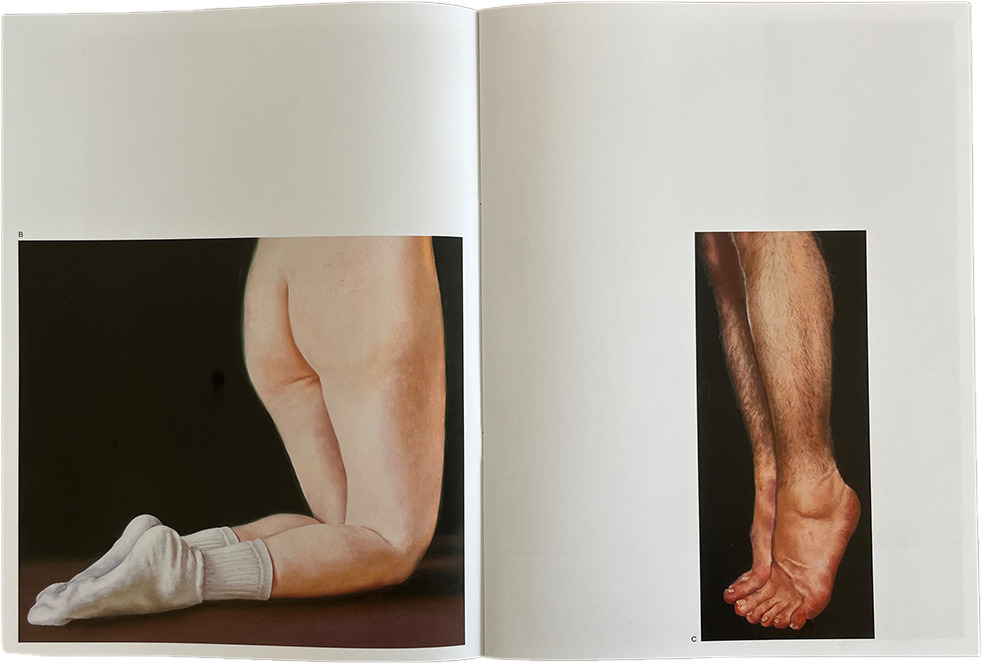
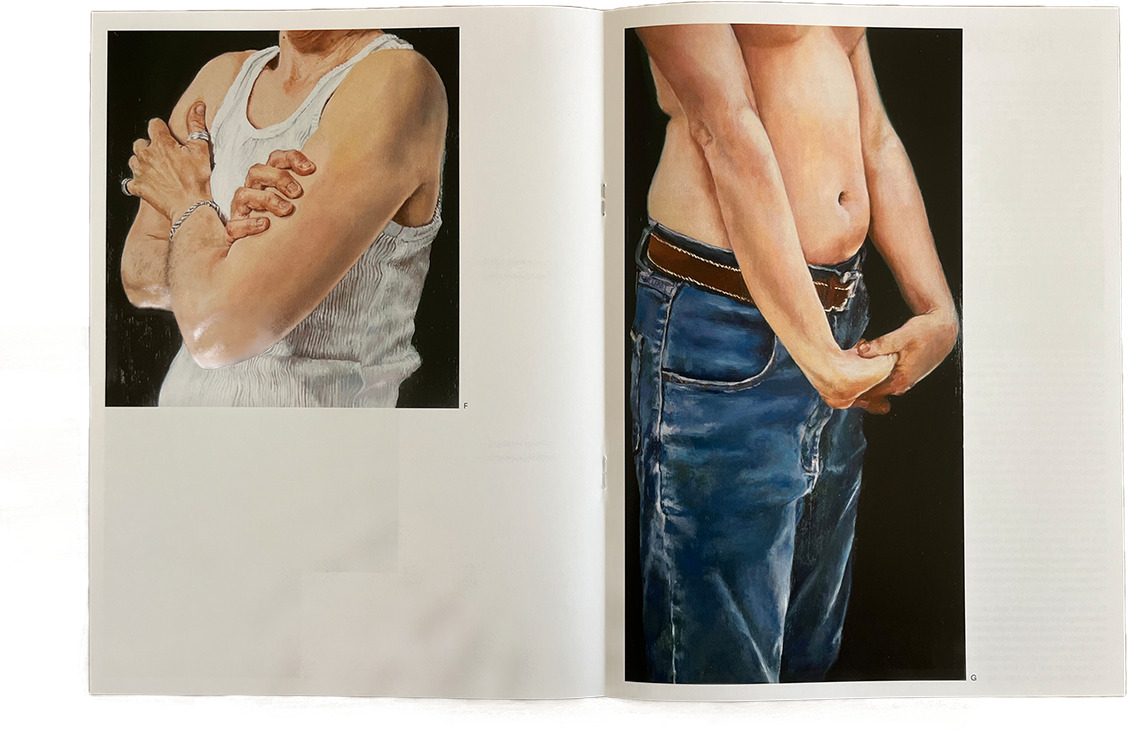
Wiebke Mertens

Wiebke Mertens (b. 1997, Suhl) is a figurative painter. She studied Fine Arts at the University of the Arts (HfK) Bremen. Her paintings depict body parts, gestures, and sequences of interaction. They engage with bodily expression, the staging of bodies, and the ways in which bodies relate to one another. In 2024, she received the Karin Hollweg Prize and the Paula Modersohn-Becker Emerging Artist Prize. Her work has been exhibited at the Gerhard-Marcks-Haus in Bremen, Westwerk in Hamburg, the Werkschauhalle at Spinnerei Leipzig, and Kunsthalle Wilhelmshaven, among other venues. In 2026, the Paula Modersohn-Becker Museum in Bremen will present her first institutional solo exhibition.

Foto: Hanna Stijnen

Suah Im

Es riecht nach Leerzeichen

Text: Tomke Braun
Layout: Büro Bum Bum, Berlin
16 pages, 29 images

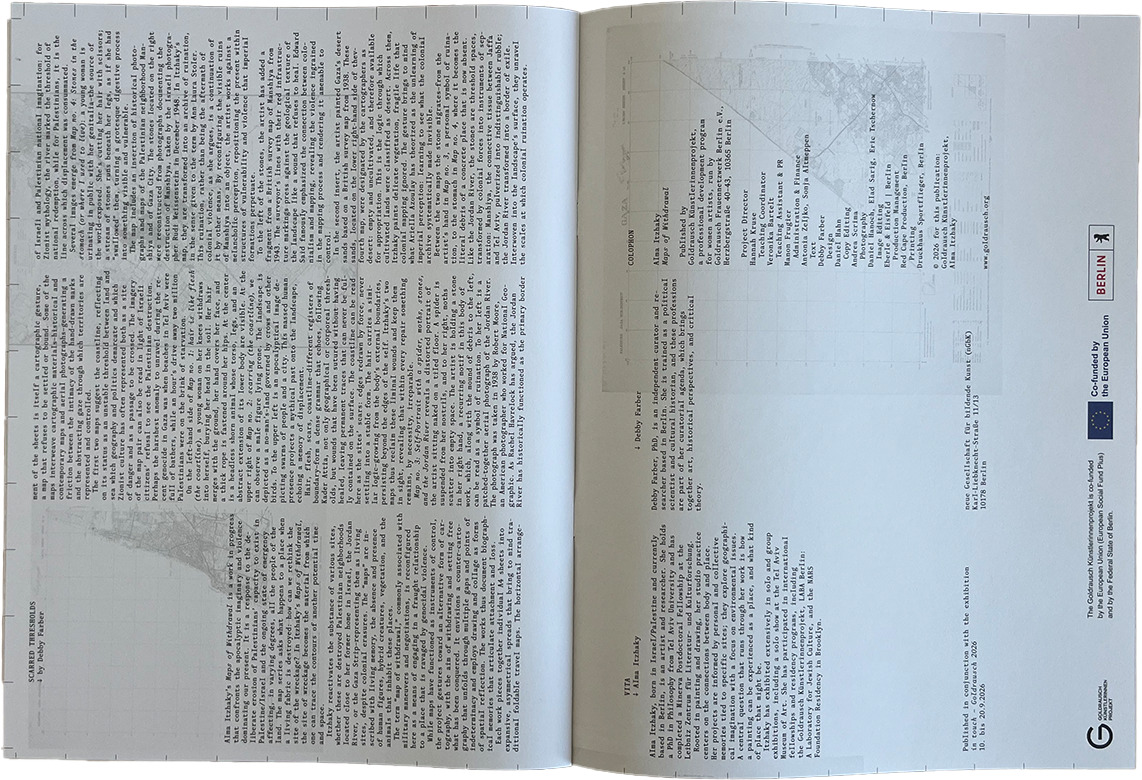
Alma Itzhaky

Maps of Withdrawal

Text: Debby Farber
Layout: Daniel Hahn
16 pages, 12 images

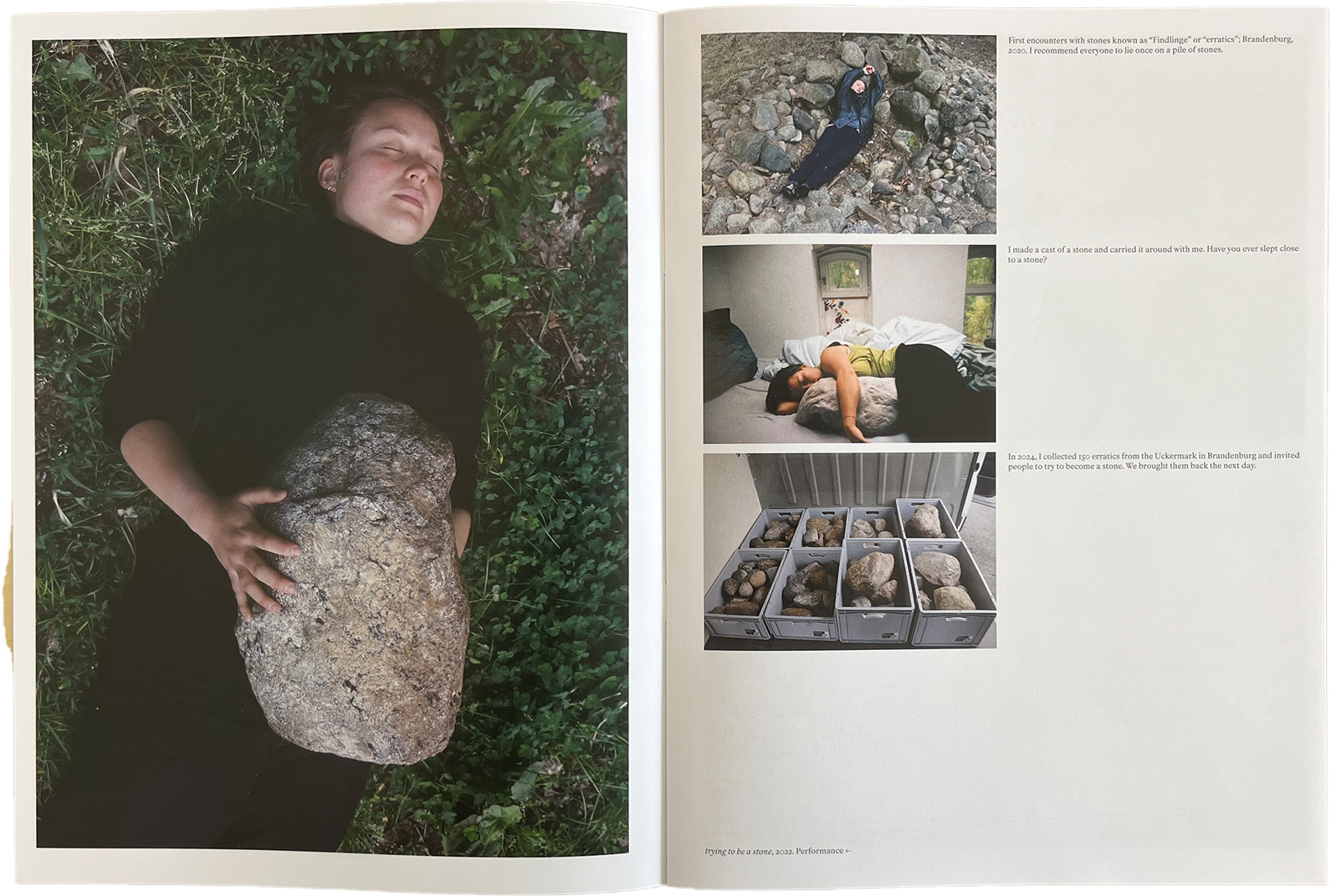
Marie Salcedo Horn

Marie Salcedo Horn (b. 1995) studied Fine Arts at the Universidad Nacional de las Artes in Buenos Aires and at Berlin University of the Arts (UdK), where she completed her studies in 2023 as a Meisterschülerin (postgraduate student) of Christine Streuli. In her multimedia work, she explores the relationship between humans and the more-than-human. The possibility of touching her works plays a central role in this inquiry. She received the Eberhard Roters Scholarship for Young Art and the Bernhard Heiliger Fellowship for Sculpture, and was a resident fellow in the Ceramic Artist Exchange – Tandem (CAET) program in Neumünster. Her work has been shown at Kunsthaus Dahlem and the Museum of Photography in Berlin, as well as at the Museum Moderner Kunst Wörlen Passau, among other venues.

Foto: Sarah Schroth

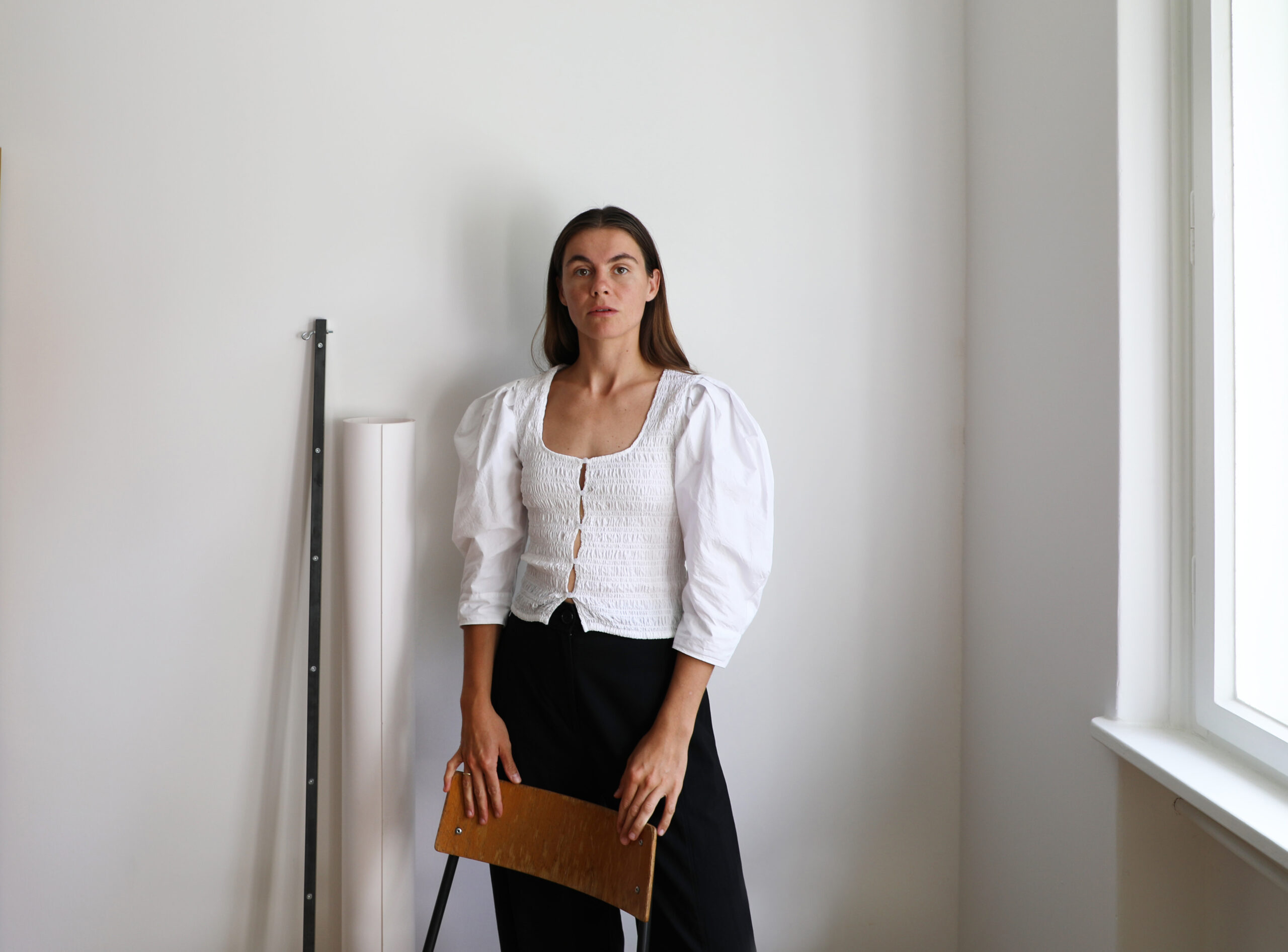
Esther Rosenboom

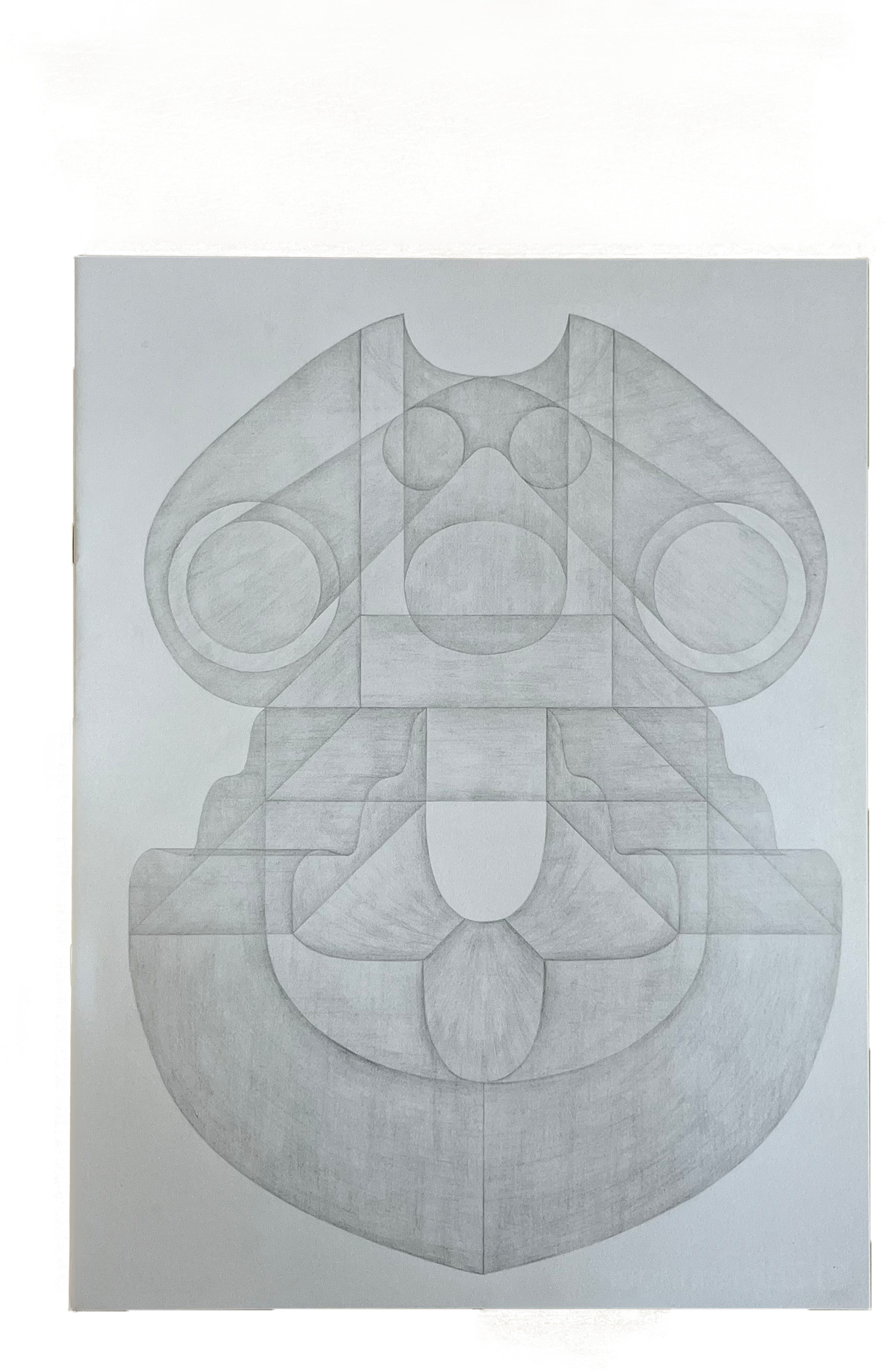
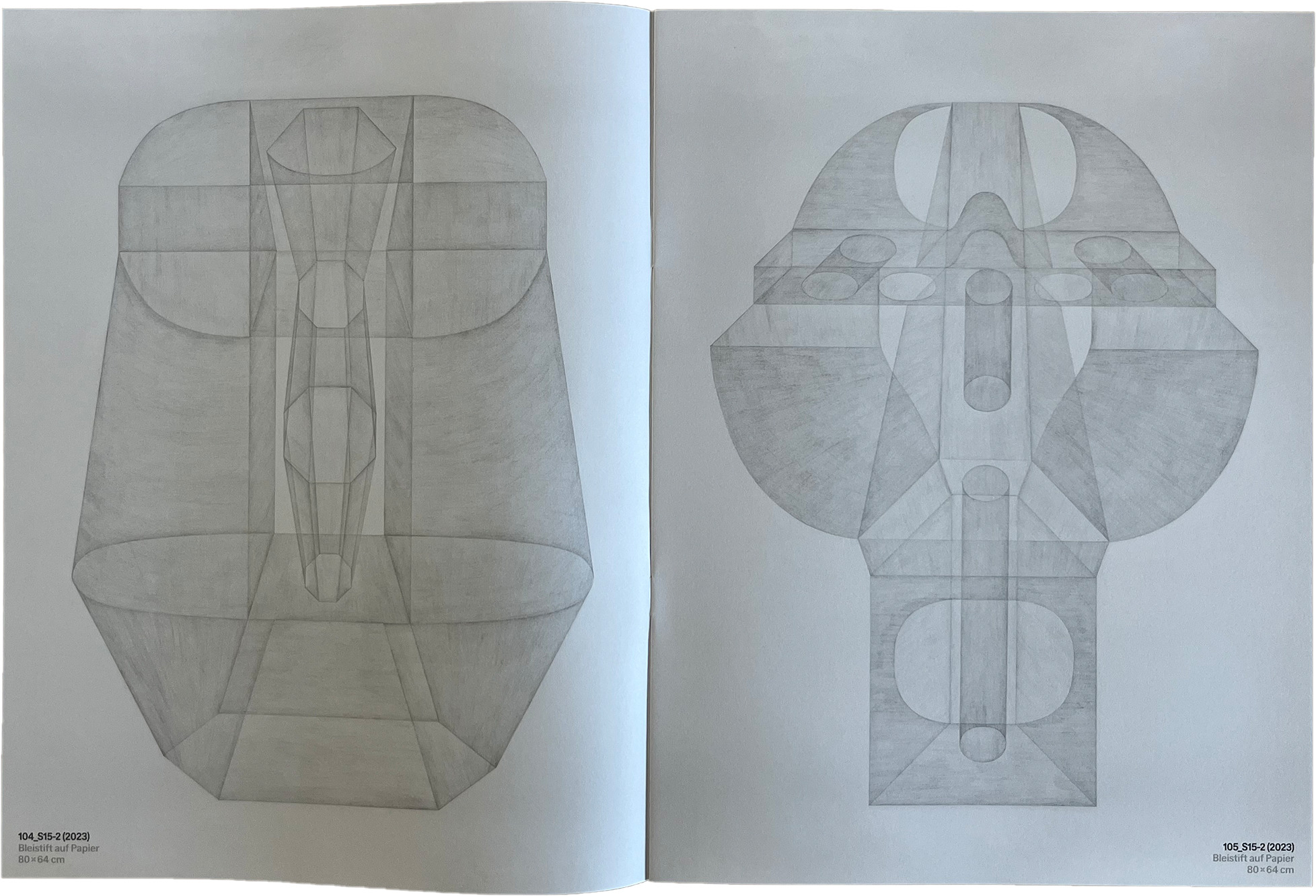
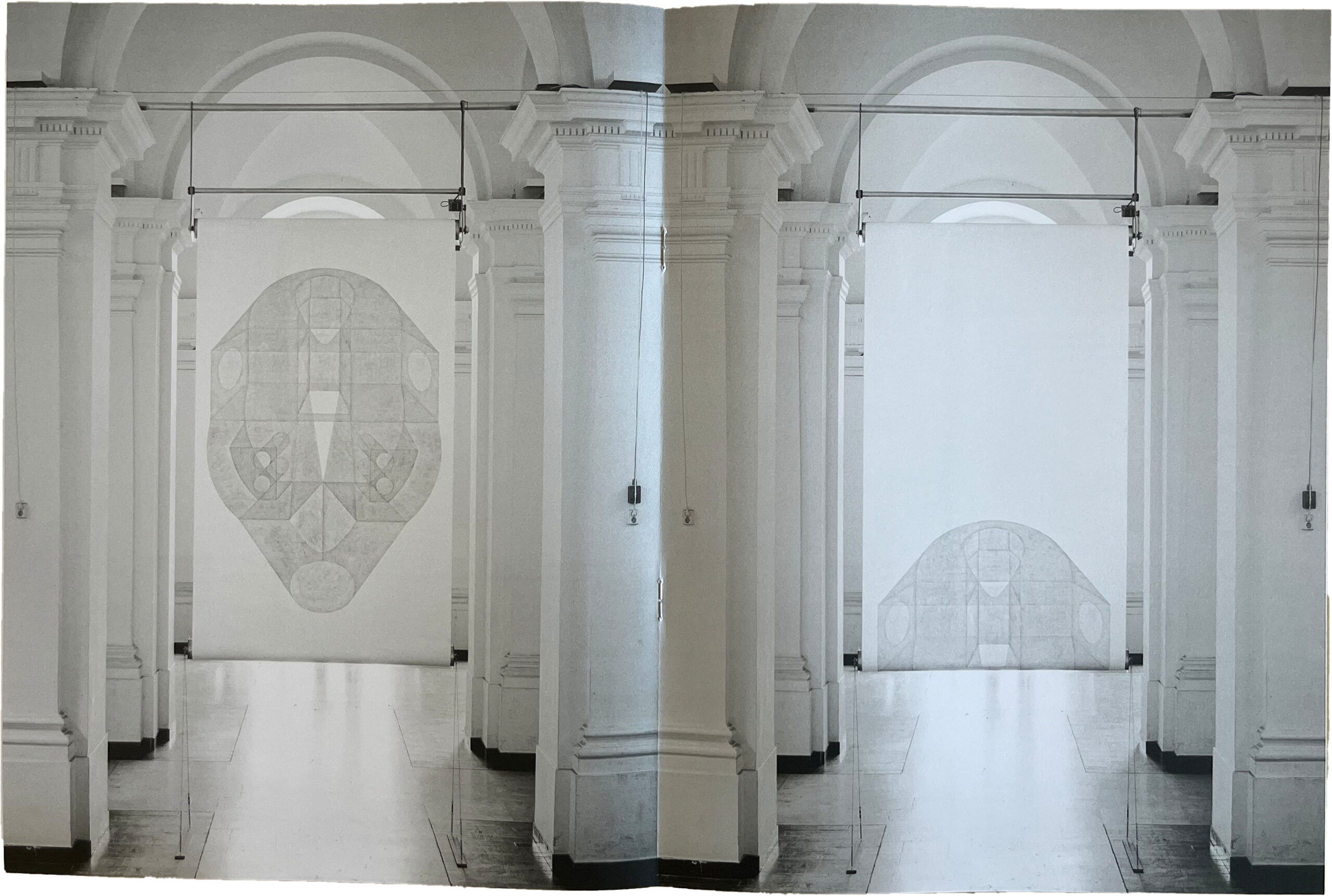
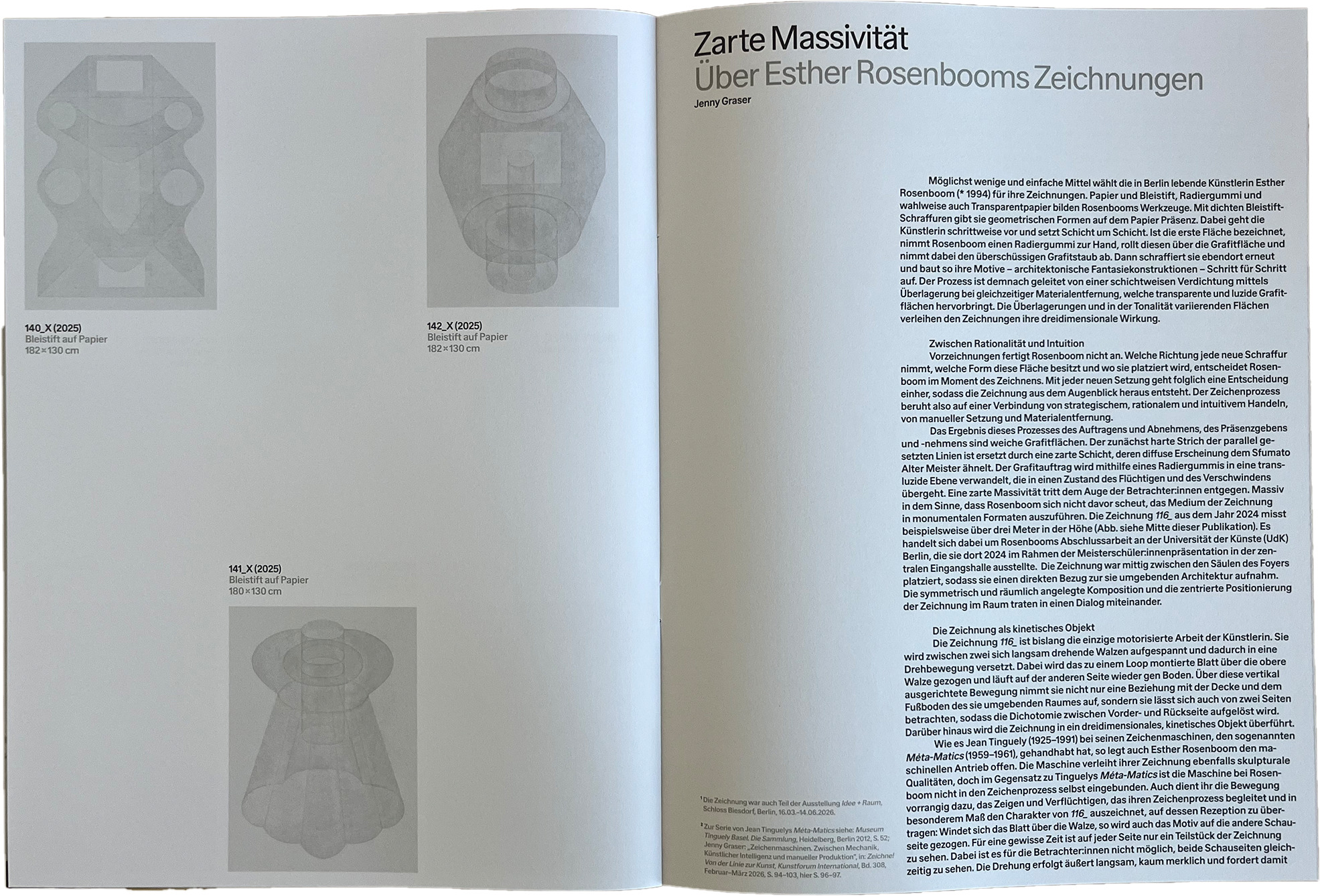
Esther Rosenboom (b. 1994, Ratzeburg) draws pseudo-constructed immaterial objects in pencil on large-format paper that, through precise installation, come to exist as surfaces in space. She studied Fine Arts at Burg Giebichenstein University of Art and Design Halle and at Berlin University of the Arts (UdK), where she completed her studies in 2024 as a Meisterschülerin (postgraduate student) of Prof. Karsten Konrad. Her work has been recognized with the Bernhard Heiliger Scholarship (2025) and the Dorothea Konwiarz Scholarship (2023/24), among other awards. Recent exhibition venues include Schloss Biesdorf in Berlin (2026), Kunsthaus Dahlem in Berlin (2025), Galerie Siedlarek in Frankfurt (2024), and Evelyn Drewes Galerie in Hamburg (2023).

Foto: Johannes Klever

Wiebke Mertens

Loose Hold, Slim Fit

Text: Laura Helena Wurth
Layout: Luka Löhner
16 pages, 11 images

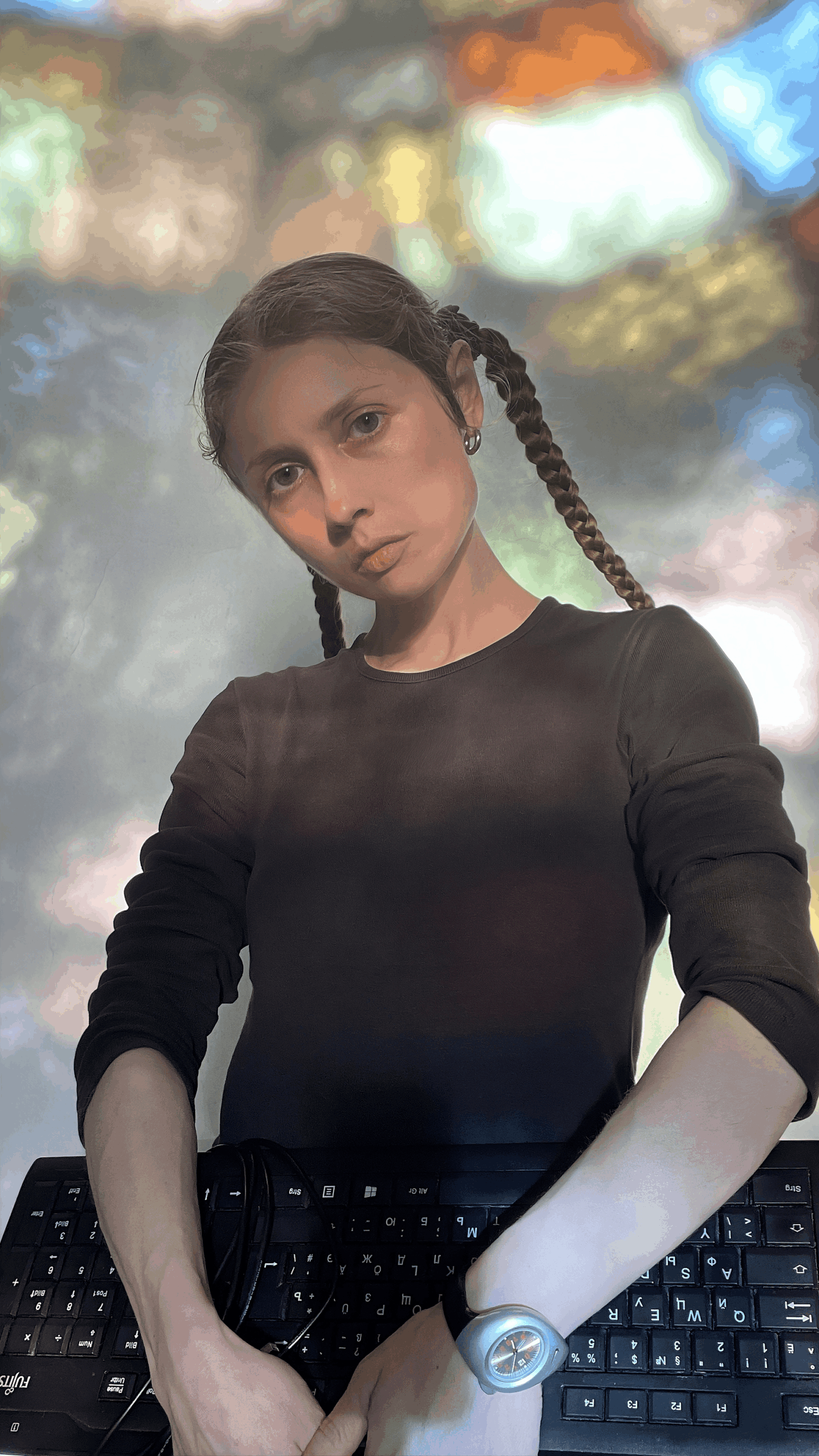
Miriam Schmidtke

Miriam Schmidtke (b. 1991, Berlin) is a media artist and author. She studied in the “Spatial Scenarios” class at Berlin University of the Arts (UdK), as well as stage design and sculpture at weißensee academy of art berlin and Musashino Art University in Tokyo. In her installation-based and performative works, she translates contemporary social, technological, and emotional infrastructures into speculative narratives. Artistic contributions and stagings of her texts have been presented at Werk X-Petersplatz in Vienna, Werkleitz, Deutschlandfunk Kultur, Ars Electronica Linz, and Luxembourg Art Week, among other venues. She is a member of the selection committee for “Monitoring,” the media art section of the Kassel Documentary Film and Video Festival.

Foto: Michael Hackl

Esther Rosenboom

21 Zeichnungen

Text: Jenny Graser
Layout: Marlen Kaufmann
16 pages, 22 images

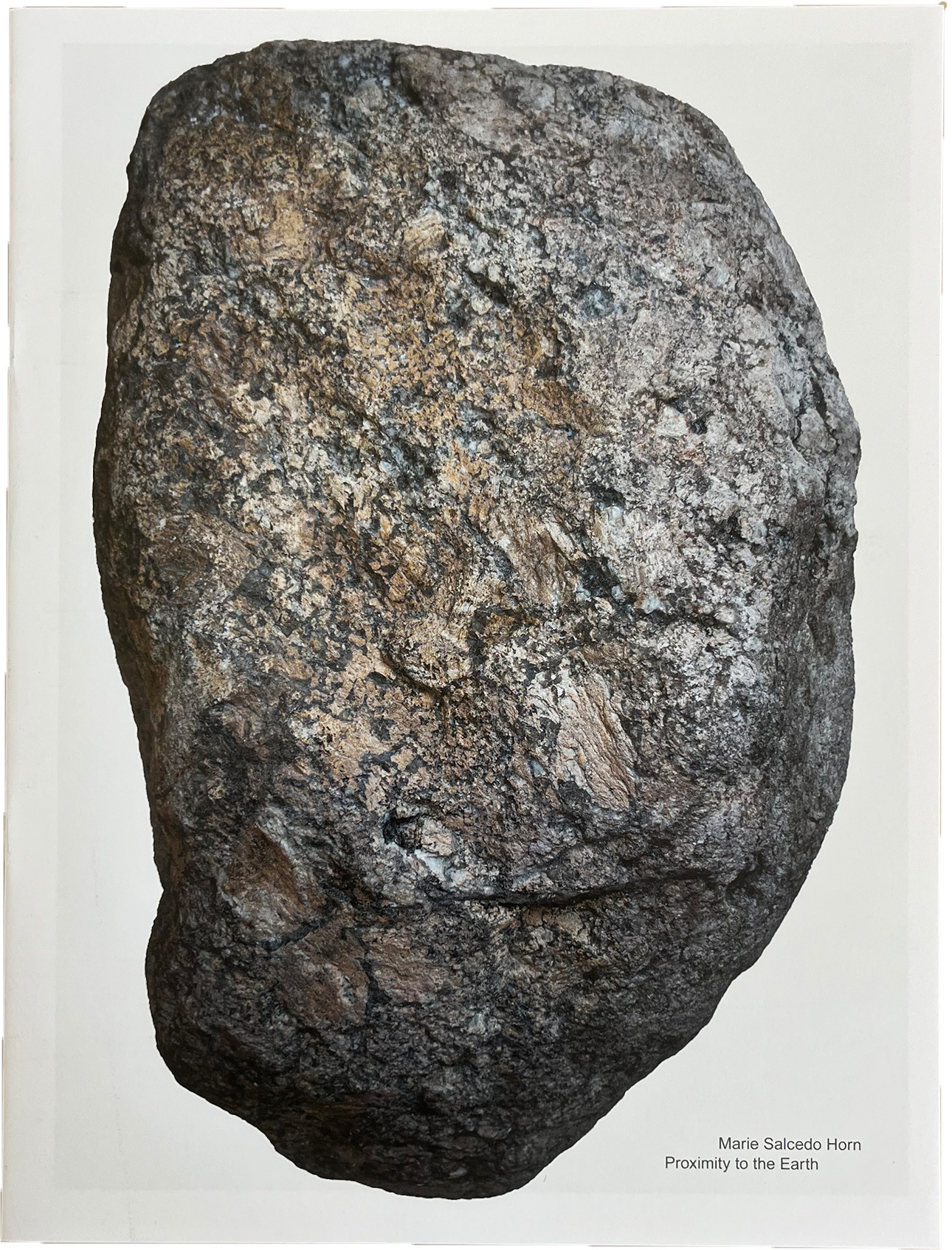
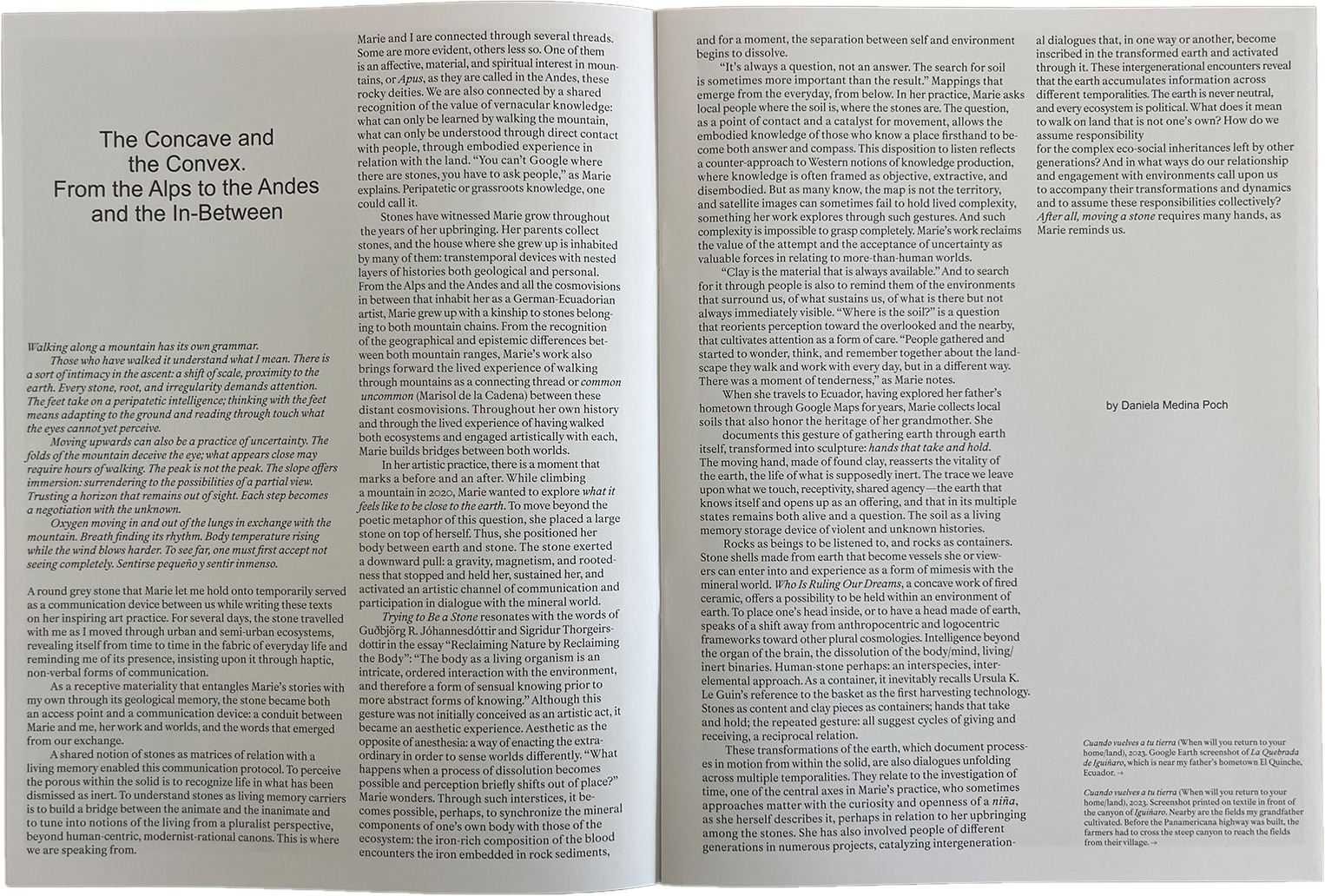
Marie Salcedo Horn

Proximity to the Earth

Text: Daniela Medina Poch
Layout: Louise Borinski
16 pages, 21 images

Daria Syvakos

Daria Syvakos (b. 1988, Donetsk, Ukraine) is an artist and researcher. She studied Film and New Media at Berlin University of the Arts (UdK) under Prof. Hito Steyerl and holds a master’s degree in Economics. Her practice explores how infrastructures and technologies shape memory, visibility, and living conditions through film, installation, and simulated environments. Her work has been presented at Ars Electronica in Linz, the Kyiv Biennial, and documenta 15, among other venues. Syvakos worked as a research associate at the Institute of Artificial Intelligence Problems in Donetsk, was a fellow at the WZB Berlin Social Science Center, and currently teaches at Berlin University of the Arts (UdK).

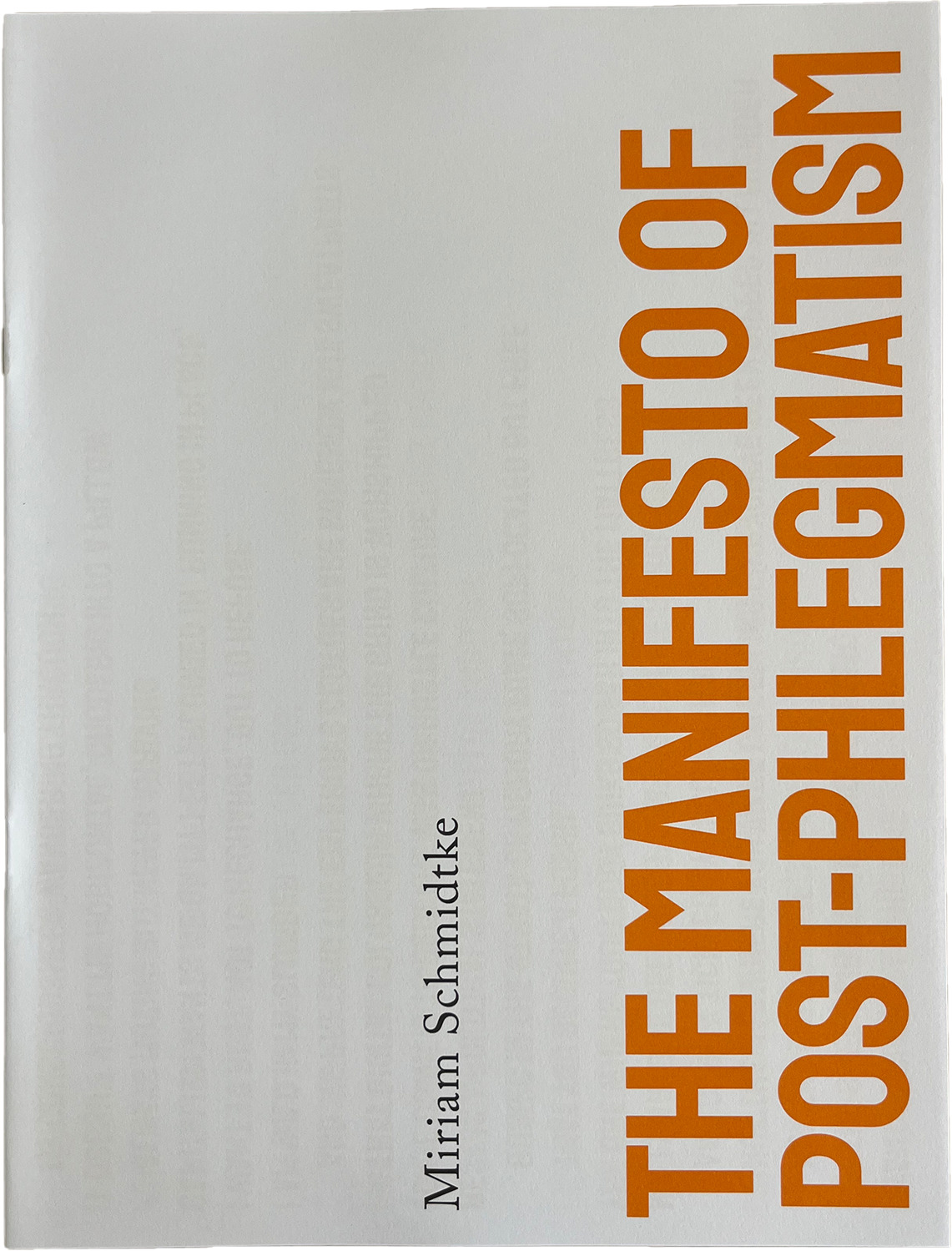
Miriam Schmidtke

The Manifesto of Post-Phlegmatism

Text: Miriam Schmidtke and Patty Kim Hamilton
Layout: Carsten Eisfeld
16 pages, 17 images

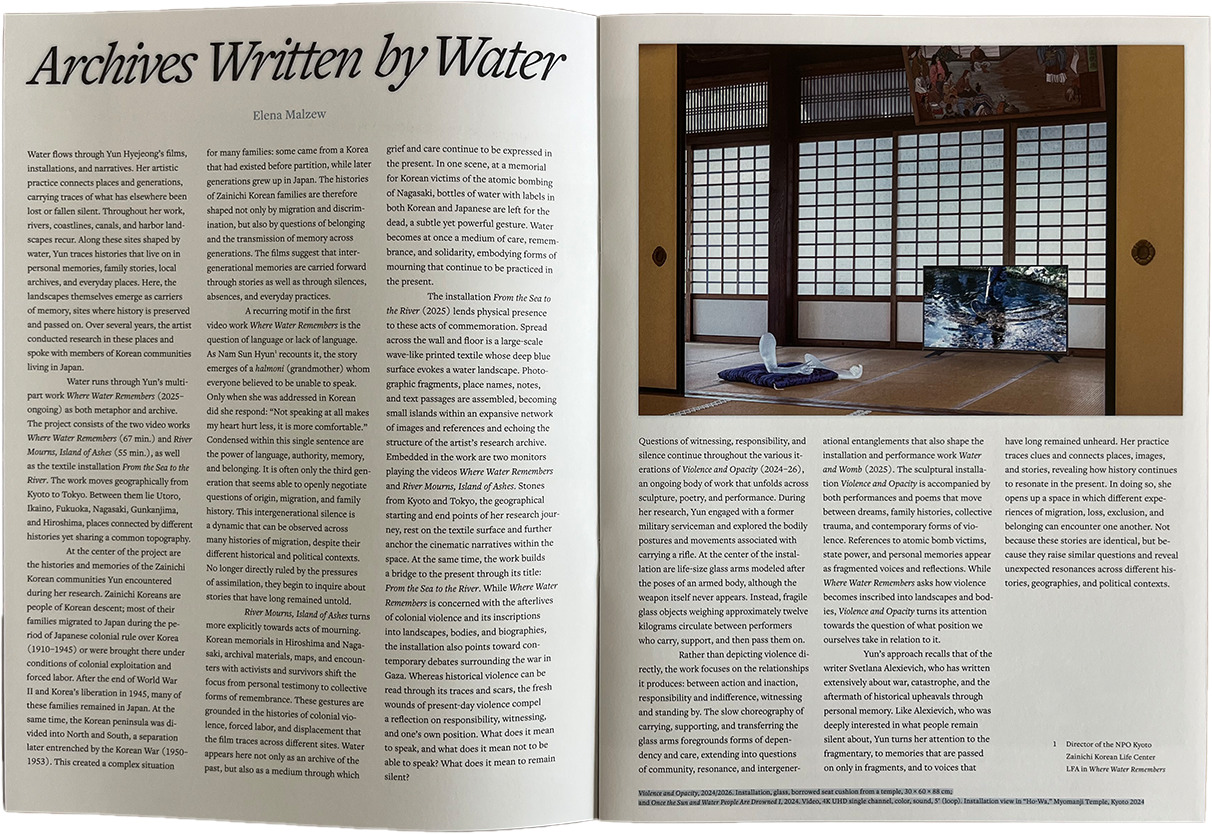
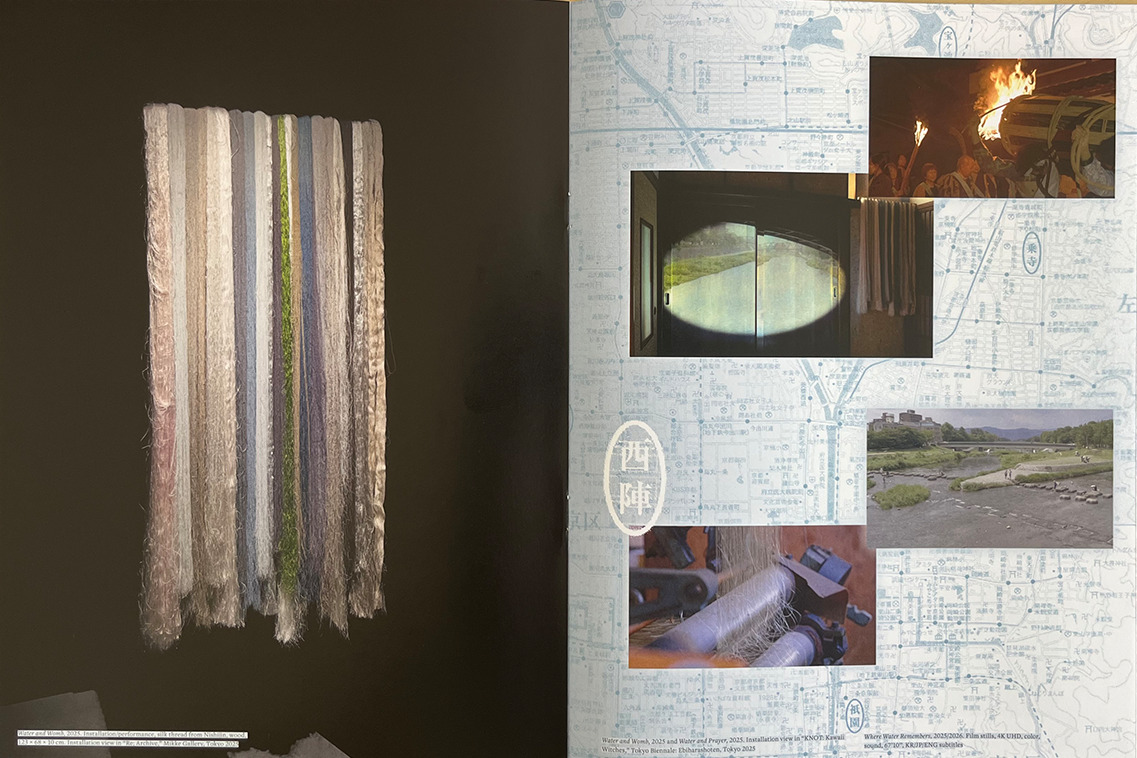
Hyejeong Yun

Hyejeong Yun (b. 1991, Jecheon, South Korea) studied at Berlin University of the Arts (UdK), the Braunschweig University of Art (HBK), and Chelsea College of Arts in London (UAL). Her multidisciplinary practice is grounded in archival research, microhistory, and locality. She examines the continuities of the colonial-imperialist matrix across political ideology, care practices, the intergenerational memory of diasporic communities, and the normalization of violence. Her work has been presented at Forever Gallery in Seoul, Tokyo Biennale 2025, the Museum für Photographie Braunschweig, and Kunstverein Wolfsburg, as well as at festivals including AAIFF45 in New York, EMAF No. 35 in Osnabrück, the 19th EXiS in Seoul, and Minikino Film Week 8 in Bali.

Foto: Johannes Moeller

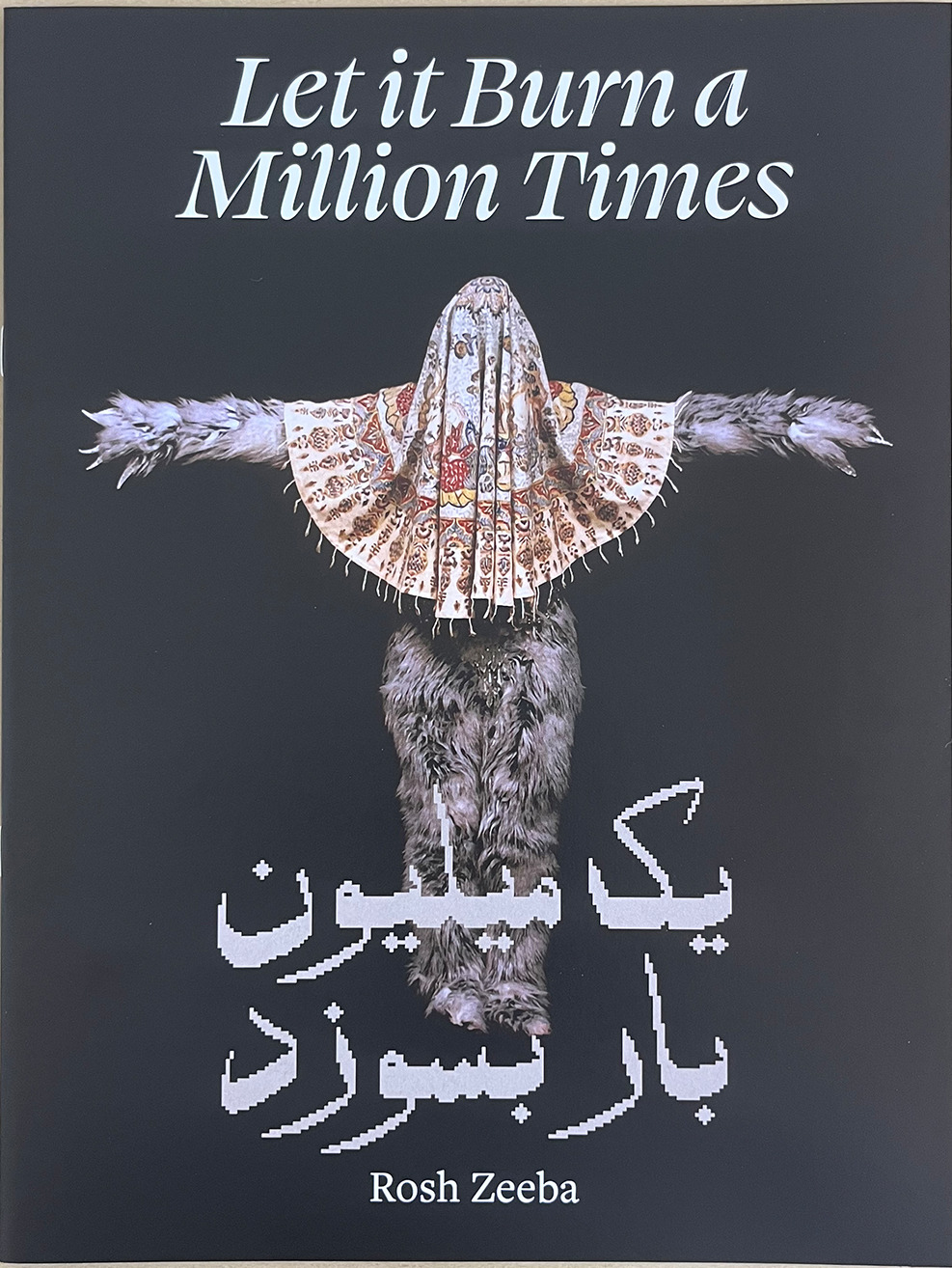
Rosh Zeeba

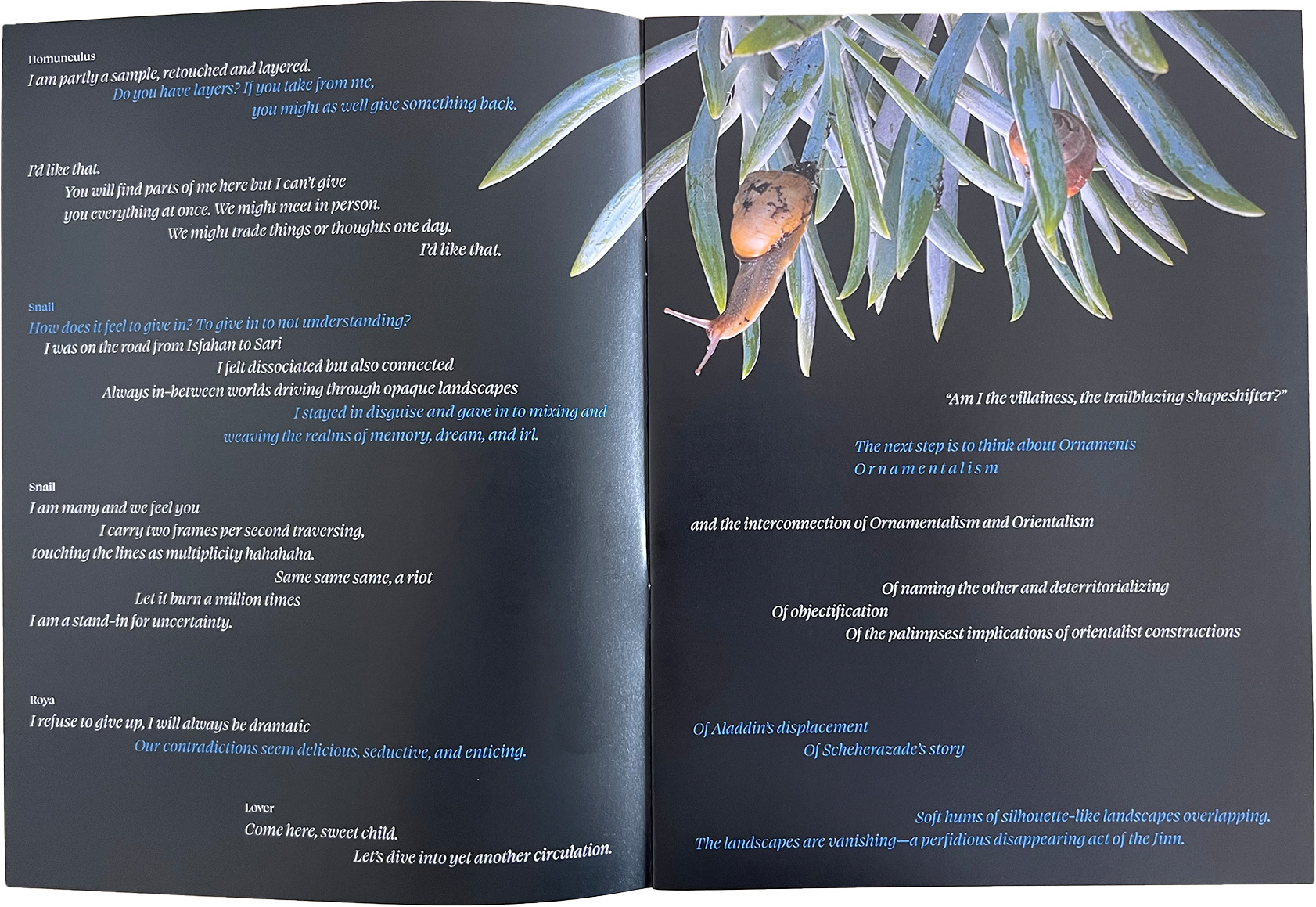
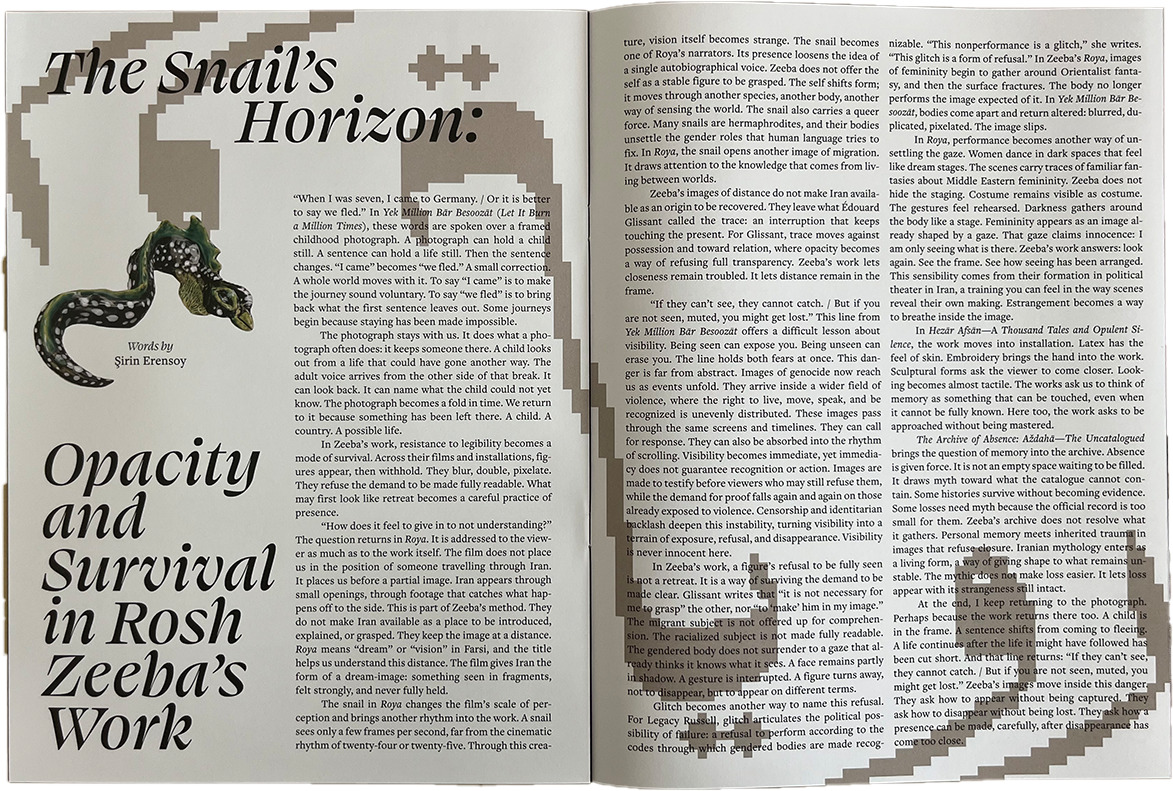
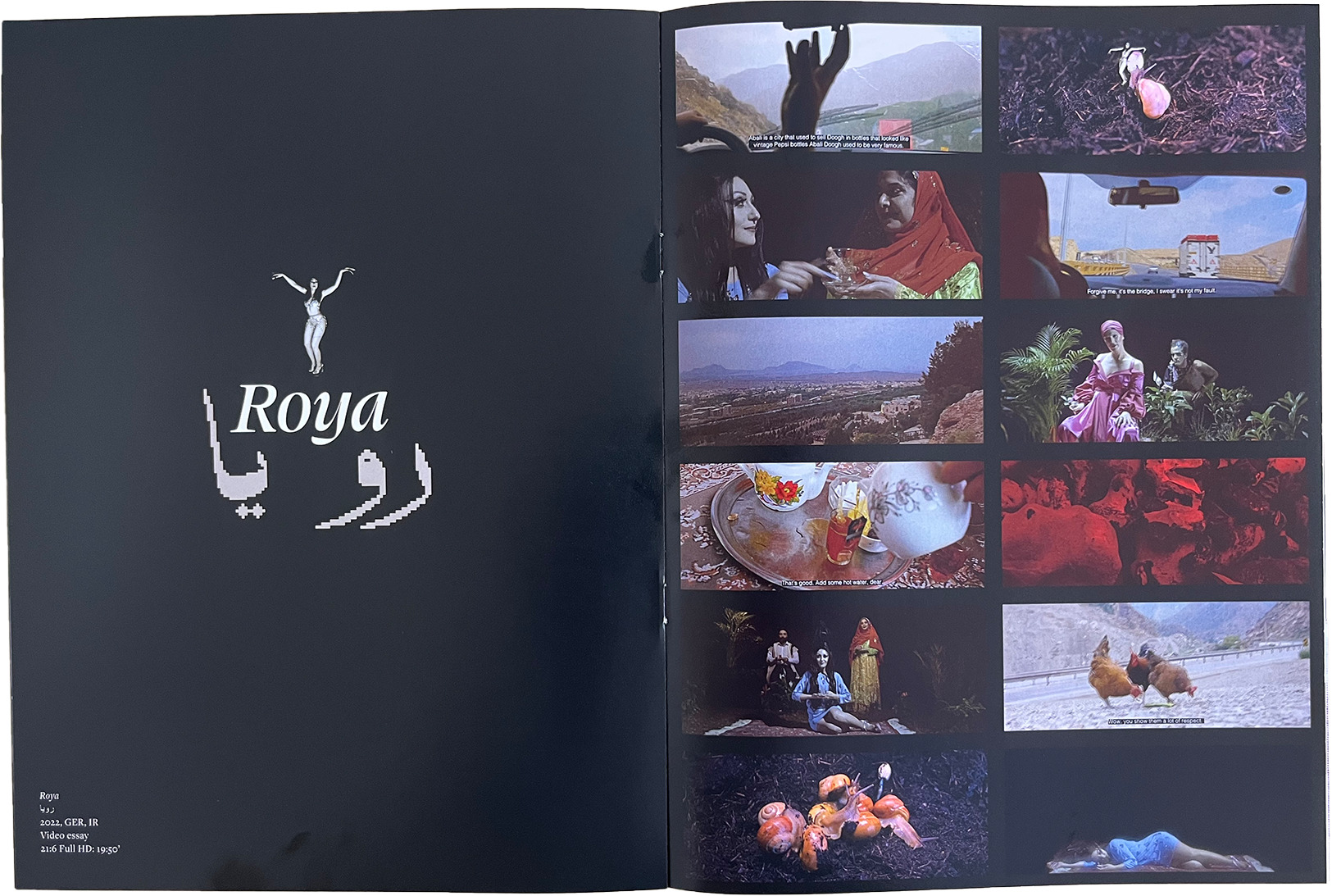
Rosh Zeeba (they/them, b. Tehran) studied Applied Theatre Studies in Giessen and Time-Based Media and Film at the University of Fine Arts Hamburg (HFBK). Situated between film and video, multimedia objects, performance, and artistic research, their practice is characterized by the development of multilayered narratives that open up queer perspectives on Iranian mythology, spaces of memory, and representations of the body. Zeeba examines how visual narratives shape perceptions of identity, representation, and belonging, challenging hegemonic attributions of meaning as well as discourses surrounding collective memory and the politics of image production through disruption and poetic interruption.

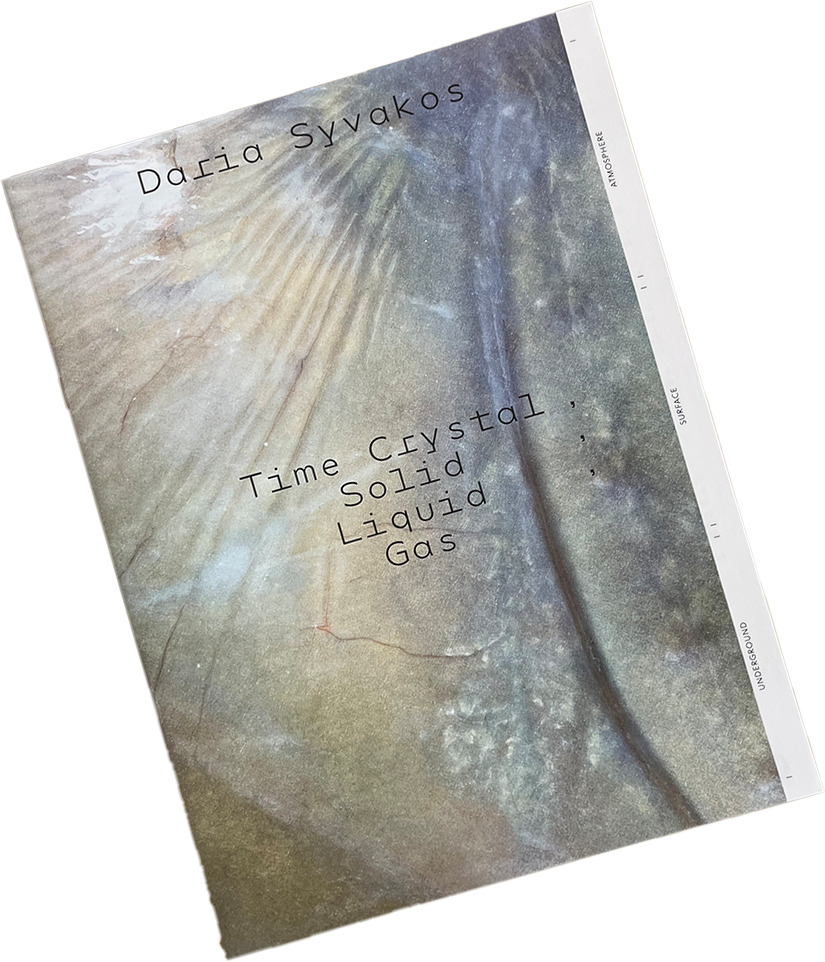
Daria Syvakos

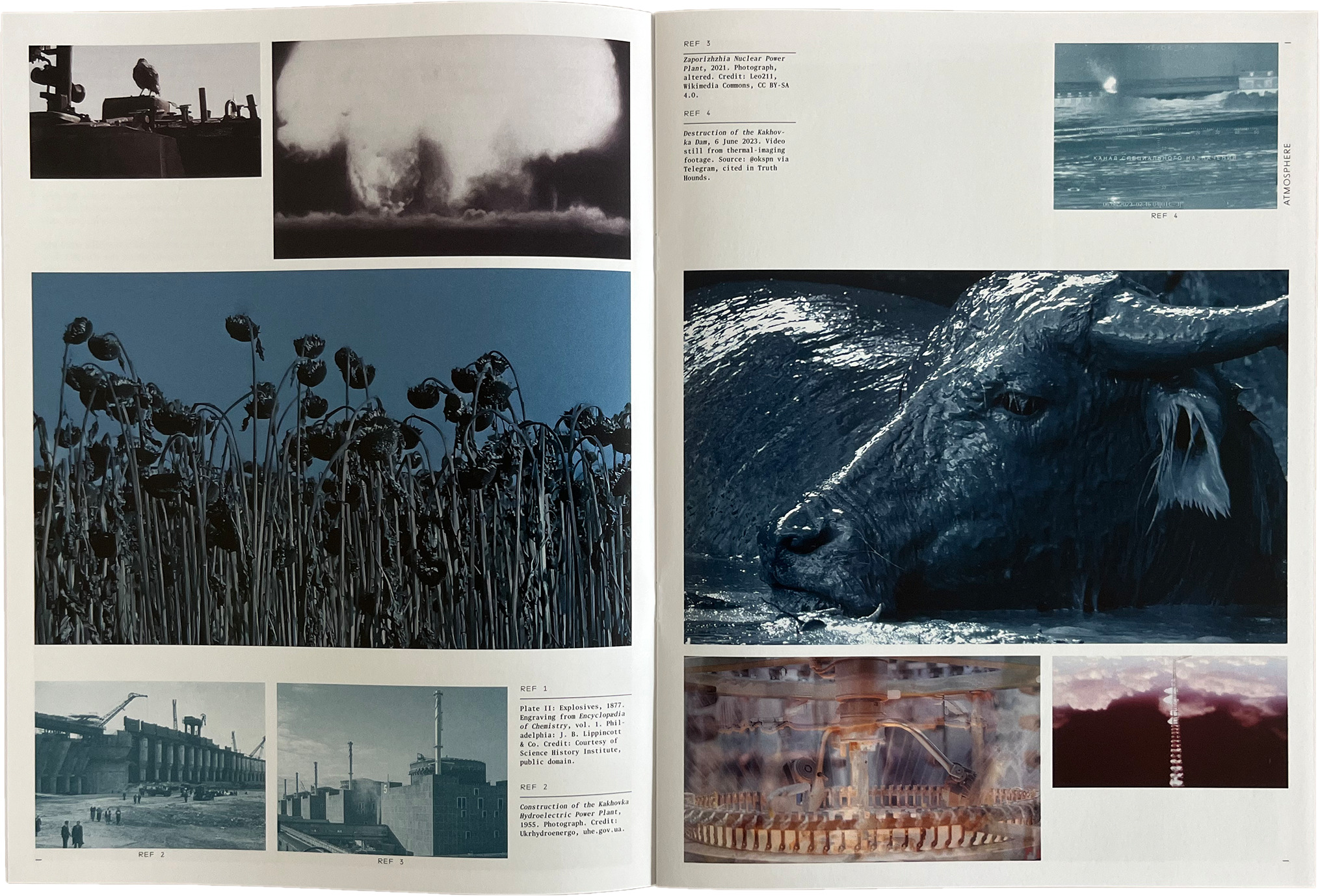
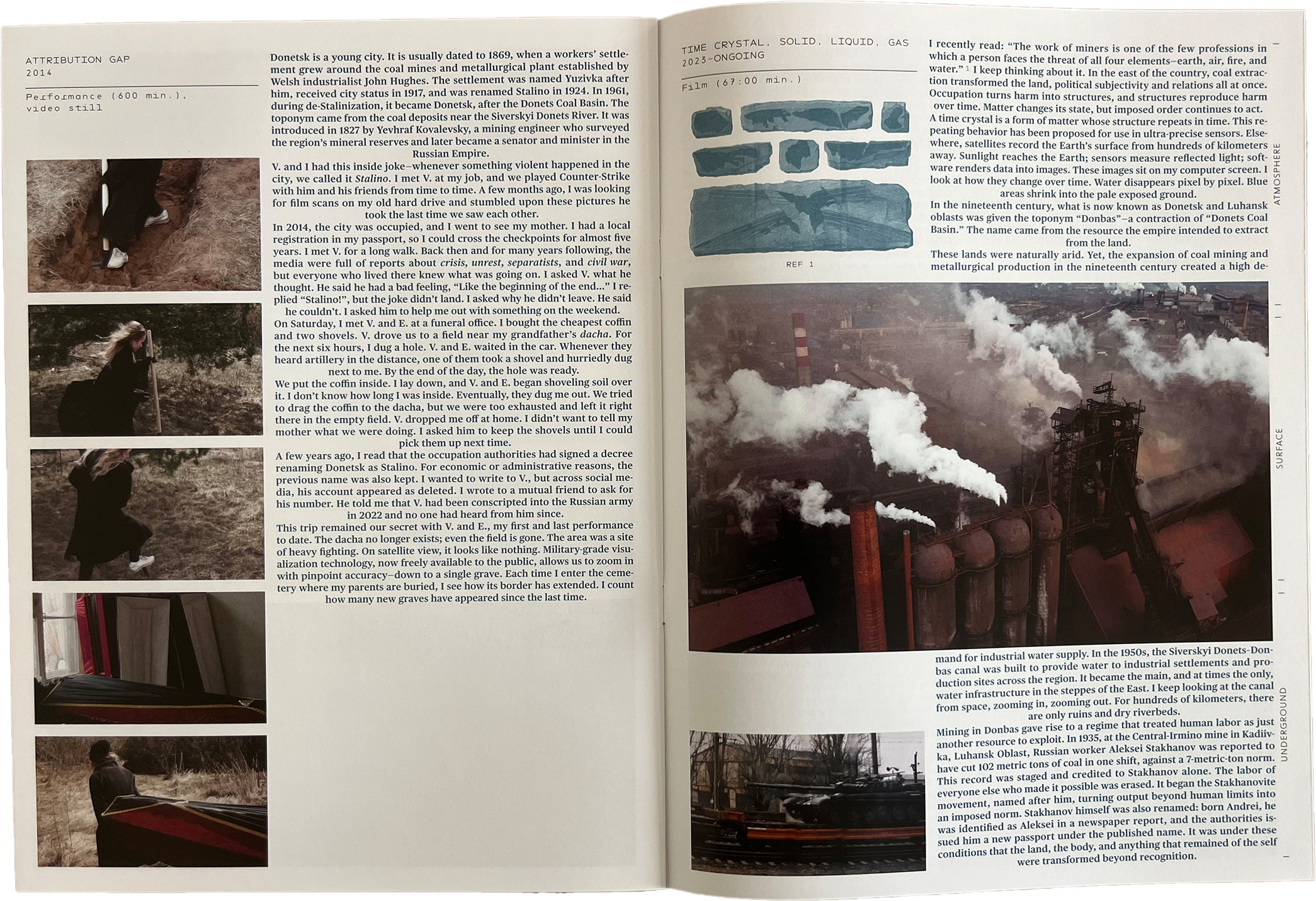
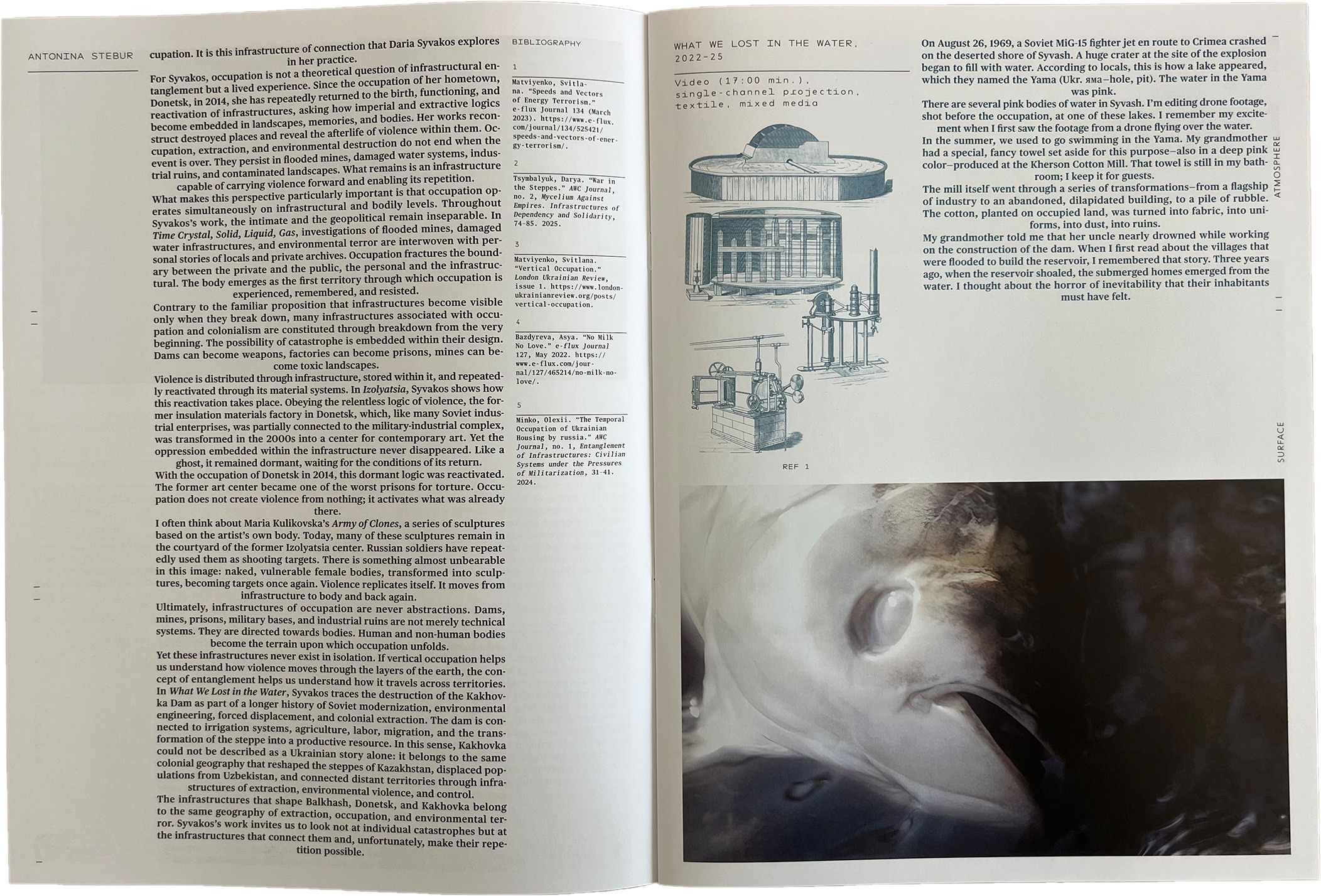
Time Crystal, Solid, Liquid, Gas

Text: Antonina Stebur; Daria Syvakos
Layout: Isabel Seiffert - Offshore
16 pages, 43 images

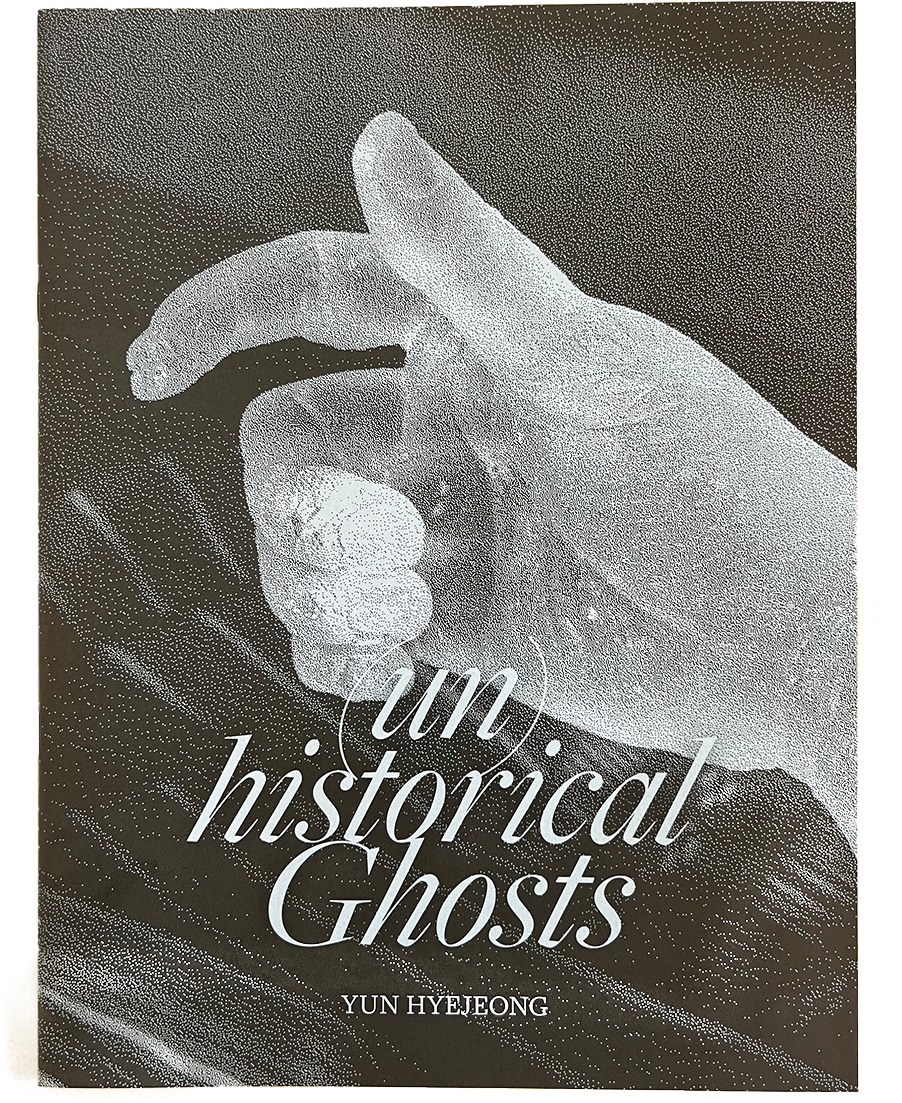
Hyejeong Yun

(un)historical Ghosts

Text: Elena Malzew
Layout: Hyangbok Shim
16 pages, 22 images

Rosh Zeeba

Let it Burn a Million Times

Text: Şirin Fulya Erensoy
Layout: İpek Erdöl
16 pages, 36 images